
Health Benefits of Organic Honey: Simple Ways It Can Support Everyday Wellness

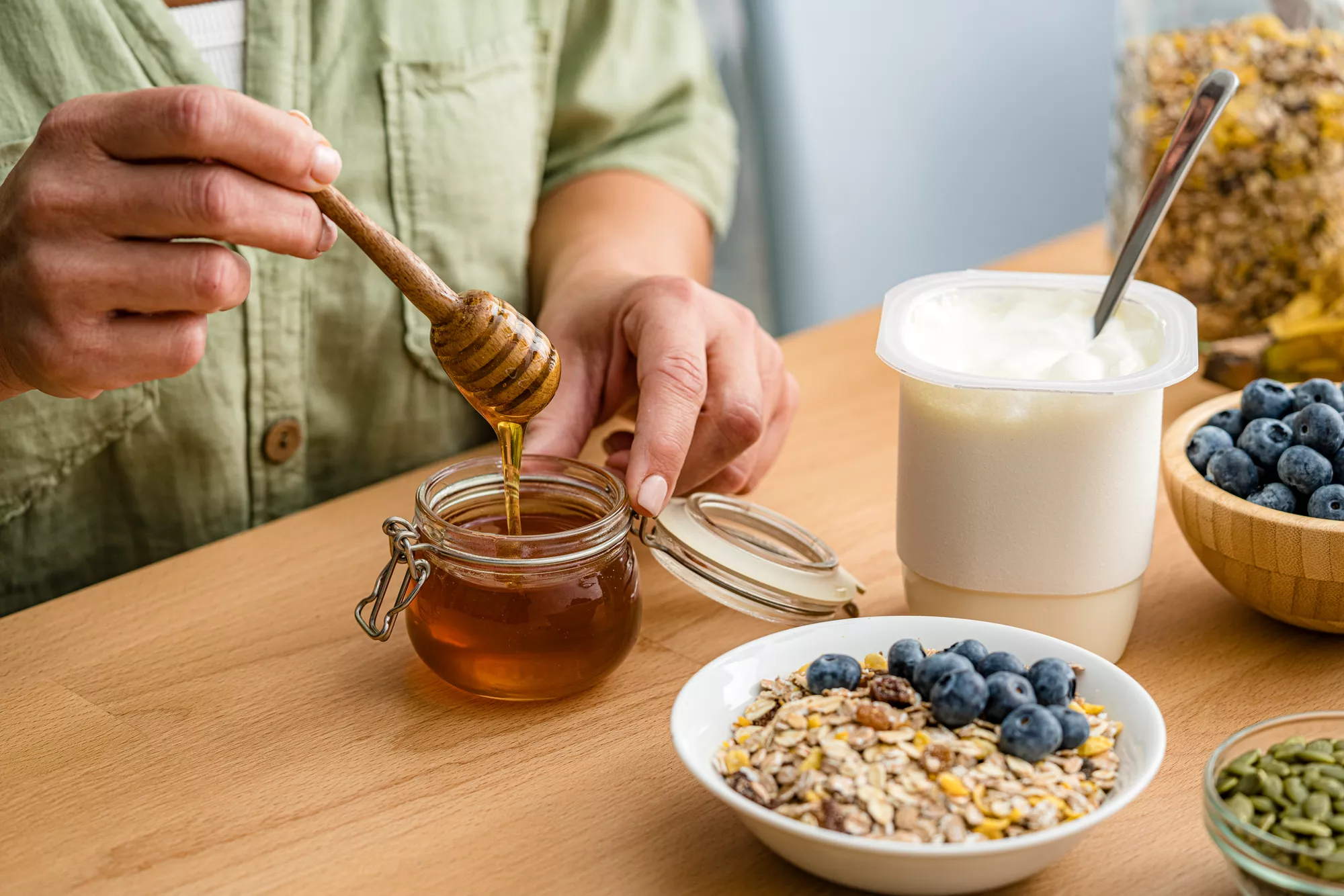
Honey has been eaten for a long time and nowadays, organic honey is one of the popular foods that are preferred by those who prefer simpler food choices, with fewer processing concerns. It is derived from bees that are fed on flowers and organic production is carried out with particular farming and handling practices. Honey, being a natural product, is made up of sugars, small quantities of minerals, plant compounds as well as other substances which can be part of a balanced diet in appropriate quantities.
Honey is often used as a substitute for refined sugar. It is still essential to keep in mind that there is a great deal of natural sugar in the honey. That being said, its moderate use is still crucial, especially for those who have to control their sugar levels. Organic honey should be used to complement a healthy diet and not be used to replace foods that are beneficial.
Main health benefits of Organic honey are due to the natural compounds it contains and to its incorporation into the diet. It can provide instant energy, may help with antioxidants and it is a long history of having a soothing effect on the throat. The quality of honey is important too. Consumers can be more certain of the origin of honey and how they are getting it when they purchase it from a trusted source.
Organic honey can be a valuable addition to your daily diet for a variety of reasons.Organic honey offers several benefits for your daily diet.
Organic honey is rich in natural glucose and fructose, and can serve as a convenient source of energy. These carbs are used for energy the body will use throughout the day. If you require a low dose of fuel, you may want to include a small amount of honey in your food or beverage. But the daily consumption of honey should not be the primary source of carbohydrates.
Honey also contains high levels of nutrients and plant compounds. The composition may vary depending on the flowers visited by the bees, the geographic location and the processing. Organic honey can be marketed to consumers who prefer products produced subject to the organic agricultural standards. Despite this, however, organic doesn’t necessarily mean less calories or sugar.
A good alternative for incorporating honey is to substitute it for part of the refined sugar. For instance, you can add a little to plain yogurt, oatmeal or a homemade beverage. This can enhance the flavor and help to lessen the amount of extra sweetener required. The main focus is on the amount of food. Honey is still a source of sugar, so consuming large quantities can lead to a higher total sugar and calorie intake.
Honey can also be used to make some foods more palatable to incorporate into a regular diet. It can be flavoured with whole grains, fruit, nuts or plain dairy, which are less processed than sweets, and add sweetness. This can help for real-world food options when it comes to simple foods.
From a business and product quality standpoint, consumers should also take into account sourcing, labeling, storage and processing. A good producer will let you know what the product is, and where it is from. Consumers can use the label to find out what they are buying, and to determine if the food is suitable for their dietary requirements.
Thus, organic honey can be a part of daily nutrition, although the benefits must be taken realistically into account. It can be a source of energy and plant compounds; moderate consumption helps in maintaining a balanced approach to sugar consumption.
Organic honey and antioxidant effects.Organic honey and antioxidant effects.
Composed of plant materials, organic honey can also help with antioxidant properties. Antioxidants provide protection against unstable molecules called free radicals that cause oxidative stress on cells. The body can regulate the amounts of these compounds, and food can furnish other compounds that can help the body’s normal protective processes.
The antioxidant activity of the honey has been found to vary widely. It can vary in composition depending on the floral source, geographic location, processing and storage. Lighter varieties may have less antioxidant compounds than darker varieties, but remember that just because a product is darker doesn’t mean that it’s the best or the healthiest.
Honey can be added to fruits, vegetables, whole grains, nuts and seeds to boost the amount of plant compounds people consume. These foods contain more nutrients and should continue to be the primary component of a balanced diet. Honey can be an effective component of such a strategy.
Another issue that comes to mind is processing. Some of the natural constituents in honeys can be adversely affected by high temperatures. Minimally processed foods may be preferred by consumers who like to know how the food was processed, which is why it is important to make it clear. Consumers should read the product label for information on ingredients and handling, but organic certification can offer information on production standards.
There are also other components in honey that are still being researched for their health benefits. But research on honey must not result in claims that the honey can prevent or treat diseases. Food can be used as a tool to aid general nutrition but cannot be used as a substitute for medical treatment or professional advice.
There are a few factors to consider when choosing organic honey. Product labelling, source, product packaging and storage instructions should be clearly stated. When buying from a trustworthy supplier, you’ll find it easier to understand what the product is made of and how.
Honey, when used in moderation, can provide the desired sweetness and a few naturally occurring plant compounds to the diet. It is still being explored by consumers because of its antioxidant activity. However, it’s not just about one ingredient as the whole diet counts.
A healthy diet should have a more balanced approach which consist of all of the following: vegetables, fruits, whole grains, protein sources, and healthy fats. Complementing that pattern can be honey without it being the primary theme.
Honey is a natural ingredient you can use to treat your sore throat, and it is useful for everyday purposes as well.
Honey is known for its long history of use for relieving a sore throat – it can be taken straight or blended with warm water or a hot tea. It’s soothing, sweet and thick, so it can help ease a sore throat. Honey is also used in small quantities as a part of the normal household routine by many people, particularly when the symptoms of the season are troublesome.
Honey has also been studied for its use to soothe a sore throat for coughing. There is some evidence that honey can help to ease cough symptoms in some cases, especially in children over 1 year old. It should not be used as a substitute for medical care in cases of severe, persistent or other worrisome symptoms.
It is always a good rule to remember: honey should not be given to children under 1 year old due to the danger of infant botulism. Parents/caregivers should use suitable medical advice to make decisions regarding food for infants.
Honey can be used simply for adults and older children. Can be added to warm water or tea in small amounts. Can also be mixed with foods like yogurt or oatmeal. These uses help to make honey simple to incorporate without complicated preparation.
Another group of consumers who care about farming practices and the sourcing of their honey products may also be interested in consuming organic honey. Organic certification is normally associated with the production and handling of agricultural products. This does not translate into unlimited health benefits for honey or imply lack of sugar in the honey.
Consumer should pay attention to quality, quantity and storage from the practical aspect. Honey must be kept in a clean, airtight container and kept per the producer’s instructions. Honey does not necessarily have to be spoilt if it crystallizes. It may happen naturally over time due to the sugars in the honey.
Those who have certain dietary requirements or health issues should also take their own requirements into account before consuming more honey. Honey, unlike any other food, is sugar, so it’s still important to eat it in moderation.
The prime advantages of honey are that it is easy to use and part of a well balanced diet. Can offer when needed, sweetness, instant energy, temporary relief of the throat, and contains naturally occurring plant compounds. However, it can still be a viable food option if used responsibly, and not a “magic bullet” for all health needs.
Selecting and utilizing Organic Honey Responsibly
It’s not just about looking for the organic label on an organic honey package. Consumers should read the label, know where it is from and understand how it fits into their diet. Quality and responsible consumption are important as honey is still a very sweet source of natural sugar.
A good product should give full details of its origin and certification if present. Some other things to consider looking at include packaging information, directions for storage and ingredient information. Broad health claims on products should be read with care by consumers–they may not always be supported by strong science.
Portion size also is important. One or two small servings can be part of a healthy eating plan, but large servings more often than not may lead to excess sugar consumption. It’s easier to switch some of the added sugar in a diet with honey than to just add honey to an already high-sugar diet.
Honey can be a good accompaniment to foods that contain protein, fibre and other nutrients. A balanced snack can be made by adding something to plain yogurt, whole grain foods or even fruits. Consuming high quantities of the sweetener in sugary beverages and desserts can, on the other hand, contribute to higher sugar intake.
Honey producers and retailers also play a role in ensuring the correct information is given about products. For beekeepers preparing colonies for colder weather, products such as winter bee hive wraps for sale can also support hive management by providing additional protection during the winter season. Good labelling assists consumers with making decisions and builds trust between producers and consumers. Product quality is achieved through good sourcing practices, appropriate packaging and suitable storage.
Organic honey is a valuable food source if consumers know what it has and doesn’t have to offer them. Can provide natural sweetness, energy, and some plant compounds. Some people may also experience temporary relief in their throat. But should be used in conjunction with a balanced diet and not as a replacement for healthy foods or treatments.
The best method is simple: select a high-quality product, apply a moderate amount and follow a well-balanced diet. The Health Benefits of Organic Honey is really about the way you use honey, not the amount of honey you use.







Comment