
A Practical Guide to Smarter PPC Research with Google Ads Spy Tools

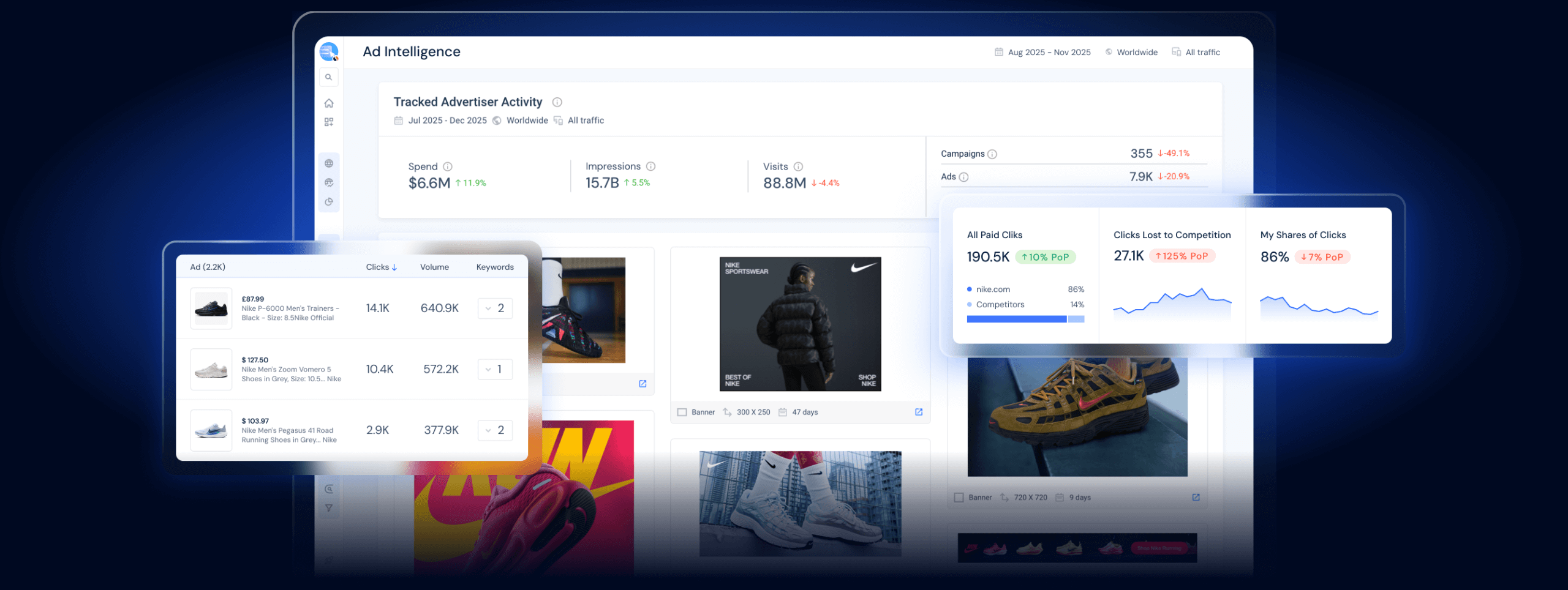
Running paid ad campaigns without knowing what competitors are doing tends to be an expensive habit. Budgets drain faster, results come slower, and the guesswork never quite ends. Experienced media buyers and PPC managers have learned over time that competitive intelligence is not optional; it is one of the most practical shortcuts available in digital advertising.
Understanding how a Google Ads spy tool works, and more importantly, how to extract real value from it, has become a standard part of serious campaign research. This guide walks through the practical side of that process.
The Real Cost of Launching Without Research
Most advertisers understand the basics of keyword research and audience targeting. What often gets skipped is the step that happens before any of that figuring out what is already working in the market.
Competitors who have been running ads for months have essentially done the testing already. Their ad copy has been refined. Their landing pages have gone through iterations. The offers that are still live are the ones that converted well enough to keep running. This kind of data is publicly visible, and ignoring it means starting from zero when a proven starting point already exists.
The mistake is not in failing to research competitors. The mistake is in assuming that launching first and optimizing later is an efficient strategy. In competitive niches, that approach rarely holds up.
What a Google Ads Spy Tool Reveals Beyond the Surface
A common mistake of ad spy platforms is that people think they provide just ad copy. A Google Ads spy tool is capable of providing much more:
- Ad headlines and description patterns across multiple competitors
- Destination pages and the structural approach used to convert traffic
- Creative formats are being tested within Google Display placements
- How long specific ads have been active, which signals profitability
- Regional targeting patterns for campaigns running across different countries
Ad longevity is particularly underrated as a data point. An ad that has been running for a few months is likely to be profitable. No advertiser will continue to pay for a place that they are losing money on. This single filter can separate valuable research from noise faster than almost anything else.
Turning Competitive Data Into Campaign Strategy
Data collection is only the beginning. The real work is in the interpretation. Here is how experienced PPC researchers approach this:
Focus on the angle first: Rather than analyzing exact wording, identify the strategic angle being used. Is the ad leading with price comparison, urgency, a specific problem, or a lifestyle aspiration? That underlying angle is what needs to be understood and tested, not the surface-level copy.
Pair every ad with its landing page: An ad creative does not tell the whole story. The destination page is where the conversion actually happens. When a competitor’s ad has been live for an extended period, studying the landing page alongside the ad gives a far more complete picture of the funnel.
Build a reference library across niches: Some of the most effective PPC angles come from industries outside the one being targeted. If you archive copies of high-performing ads, these add to this library and will be an invaluable resource.
Identify what is missing from the market: If there is a lack of diversity from the competition in a given category and all the ads use a certain type of feature-based messaging, this may leave room for creative work appealing to human emotions. Spy tools help uncover these opportunities that may not always be obvious in keyword data.
Why Platform Breadth Changes the Research Game
Evaluating ad intelligence tools purely on Google coverage misses something important. Consumer attention does not live on one platform, and neither do competitors’ advertising budgets. Campaigns that perform well across Google Display often have companion creatives running on social and native channels simultaneously.
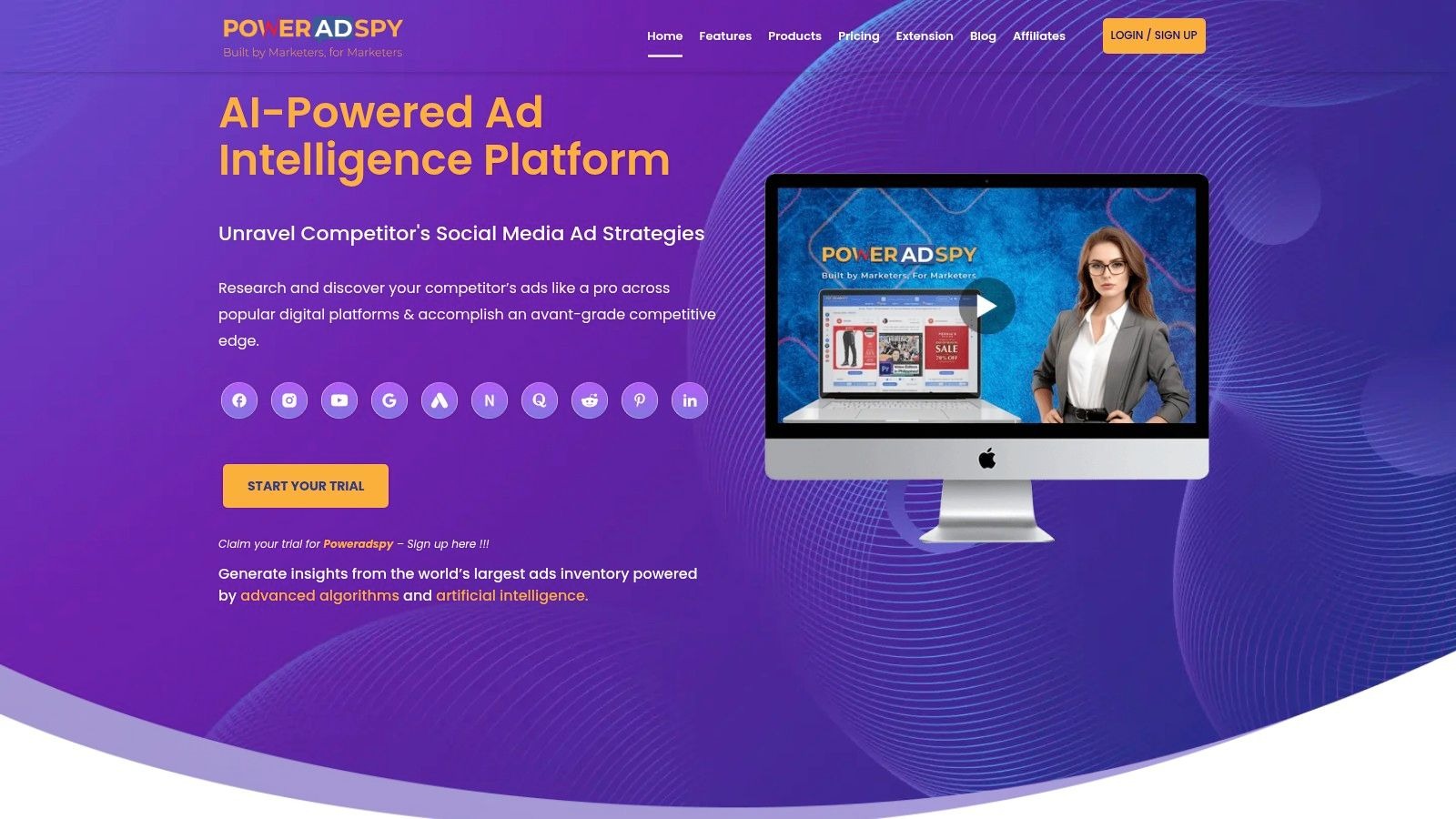
This is part of what makes PowerAdSpy a genuinely useful option for multi-channel PPC research. It functions as a capable Google Ads spy platform while also covering Facebook, Instagram, YouTube, Reddit, Quora, Pinterest, and native ad networks within a single dashboard. For anyone managing campaigns across multiple channels, having all of that data in one place removes a significant amount of friction from the research process.
The Google and GDN modules in PowerAdSpy support keyword-based search, ad type filtering, and creative analysis for display placements. There are more than 350 million ads stored in the database, representing more than 100 countries and over 250,000 new ads each day.
Pitfalls That Undermine the Research Process
Even with a strong tool and good intentions, ad spy research can produce misleading conclusions if approached carelessly.
Newly launched ads should be treated with caution. A campaign that started last week has not yet proven itself. The research focus should stay on ads that have demonstrated staying power over time.
Context matters enormously. Using a campaign strategy developed for a company with a huge retargeting list is very different from one that doesn’t already have a customer. Using the same strategy regardless of the difference is likely to be a disaster.
Restricting research to direct competitors is also a common limitation. Adjacent industries often use creative formats and messaging angles that have not yet appeared in a given niche. The most differentiated campaigns frequently borrow from categories that seem unrelated at first glance.
Conclusion
The shift from intuition-based to intelligence-based PPC strategy does not happen overnight. It requires building a habit of research before every campaign, not just when results disappoint.
Platforms like PowerAdSpy reduce the time and manual effort involved in that process considerably. The coverage of the broad range of platforms, the size of the ad database, and the ability to filter the ads for practical research helps you get from data to strategy.
The most consistent performers in paid advertising are not necessarily the ones with the largest budgets. They are the ones who follow the market’s cues and who learn from made and use this information to optimise the next ad.







Comment