Consumer behaviour is significantly shifting in the retail industry. Since consumers today are more conscious of their personal finances and impact on the environment, they are embracing the recommerce economy like never before. The best example of that is with the buying, selling, and trading of second-hand books. Technology has made it easier than ever for consumers to sell their unwanted books. That way, they don’t go to waste in landfills.
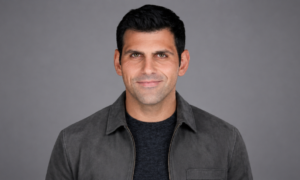
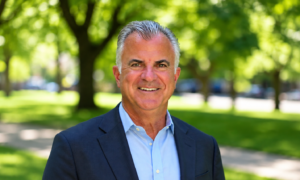
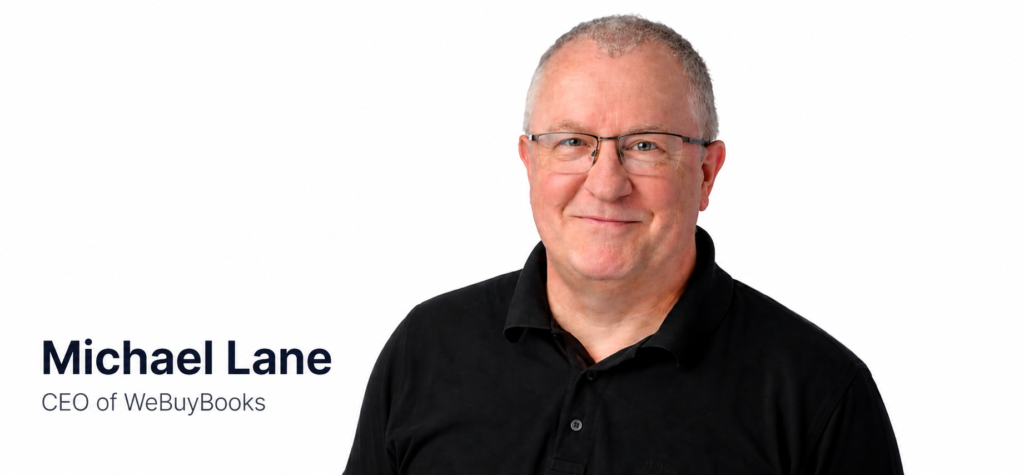
Michael Lane, CEO of WeBuyBooks is an expert on circular retail, sustainability, consumer behaviour, and book recommerce. He provided his insight into the rise of the recommerce, the circular economy, and the buying and selling of second-hand books.
1) Can you tell us about your background and how WeBuyBooks was founded?
Michael Lane: I am a graduate of the University of Bradford with a Bachelor of Engineering Degree, and a graduate of Kingston University with a Master of Business Administration Degree. From 1995 to 2008, I worked a number of managerial jobs for prominent companies throughout England, including Commercial Manager for Amey, Director of Finance for TFM Holding Ltd, and Managing Director of TFM Parking Services and Bethell Utility Services Limited.
I founded WeBuyBooks in 2008 as a recommerce business focused on extending the lifespan of used books through technology. The popularity of the internet and the demand for cheaper books made it easy to grow my company while helping individuals, charities, libraries, bookshops, and other retail stores find value in their used books.
2) What inspired the idea behind WeBuyBooks?
Michael Lane: My inspiration behind the idea for WeBuyBooks was all the used books sitting on my bookshelves. I didn’t want to throw them away because I figured that would be a huge waste. Since books have both educational and financial value to consumers, it made more sense to sell my used books. From there, I created a company dedicated to ensuring that second-hand books have a long lifespan.
3) How has the business evolved since its launch?
Michael Lane: My business has been going strong for the last 18 years. After starting the company with a simple web-based business model for selling books online, it has evolved significantly to align with current consumer expectations. Now I operate a tech-based recommerce platform with mobile access and additional buying services, such as the buying of CDs, DVDs, and video games. We receive thousands of offers per day from people and organisations looking to sell their used books.
4) Recommerce has become a major retail trend. How would you define it?
Michael Lane: Recommerce is the buying and selling of previously owned items, such as books. It plays a vital role in stimulating the circular economy, where retail products are recirculated to extend their lifespan, retain their value, and reduce waste.
5) Why do you think consumers are increasingly embracing recommerce?
Michael Lane: Modern consumers have strong feelings about sustainable living practices. It is part of the reason why recommerce has gotten popular over the last decade. Consumers think it is better to make use of existing items rather than depending on manufacturers to create new ones at greater cost to consumers and the environment.
6) What role do books play within the wider circular economy?
Michael Lane: The circular economy centres around eliminating waste by continuously reusing second-hand items. Books are the perfect product for the circular economy because their words, knowledge, and information remain the same. Even if the physical materials degrade slightly, the content of the book remains intact.
7) How does the WeBuyBooks App work?
Michael Lane: You can download the WeBuyBooks app onto your Android or iOS mobile device by visiting their respective app stores, whether the Google Play Store or the Apple App Store.
Once you install the app, you can immediately access it to offer your books, CDs, DVDs, and games for sale. The app lets you scan the barcode of the item that you would like to sell. After that, it will immediately present you with a valuation of the product. If you accept the valuation price, WeBuyBooks will handle the rest.
8) What makes the process so simple for users?
Michael Lane: The WeBuyBooks app makes it fast and simple for users to sell their second-hand books. You don’t have to take photos, write sales copy, and negotiate with difficult consumers. Instead, all you have to do is scan the barcode of the book, accept our offer price, and ship the book to us. It is as simple as that.
9) Why was mobile technology such an important part of the business model?
Michael Lane: More than 50% of consumers do their online shopping and transactions using their mobile devices. Mobile technology also gives them the power to engage in recommerce from any remote location. So, if they find a book that they want to sell to us, they can simply whip out their phone or tablet and scan the barcode with the app. They don’t have to wait until they find a traditional desktop or laptop computer.
10) What feedback do you receive most often from customers?
Michael Lane: We receive overwhelmingly positive responses from past and present customers of our company. They appreciate having a place where they can sell their used books without needing to create sales listings and deal with their own set of customers. Furthermore, most of them are happy to finally declutter their home of all the used books that they don’t read anymore.
11) What happens to books after customers send them to WeBuyBooks?
Michael Lane: Once they arrive at our facility, they are thoroughly inspected and graded to confirm their condition and value. The vast majority of the books we buy are resold, giving them a second life rather than ending up in a landfill.
12) Why is extending the life of books important from an environmental perspective?
Michael Lane: Think about what it takes to create a new physical book. A manufacturer must consume several raw materials, such as wood, electricity, and water, to create the paper for the book. Not only does it deplete the environment of its natural resources, but it also creates more waste in the landfills when the used books get thrown away. That is why it is imperative to extend the life of books through the recommerce economic system. It will go a long way in protecting the environment from harm.
13) How does the business help reduce waste?
Michael Lane: WeBuyBooks reduces waste by purchasing second-hand books before they are thrown away and end up in landfills. Sure, we make a profit from reselling the books ourselves, but we also take great pride in doing our part to reduce waste in the environment.
14) What misconceptions do people have about second-hand books?
Michael Lane: Some people think that second-hand books are heavily damaged or in extremely poor condition. They might imagine lots of marks on all the pages or some of the pages missing from the books entirely. However, the reality is that many second-hand books are in good enough condition to hold and read clearly. The worst that you might see is a few marks or wear on the outside or inside.
15) Have you seen changes in consumer attitudes towards used books over the past few years?
Michael Lane: Absolutely. There has been a massive shift in their attitudes towards used books across all demographics. Consumers now prefer sustainable book shopping over traditional book commerce to both save money and protect the environment.
16) How have economic conditions influenced the growth of recommerce?
Michael Lane: Consumers have extremely tight budgets nowadays. With the cost of living being higher than ever, people are proactively looking for ways to supplement their income. One of the fastest and easiest ways they can do that is to sell their second-hand books to us at WeBuyBooks. It can help people earn extra money to pay bills while eliminating the waste around their homes or businesses.
17) What trends do you expect to shape the future of the second-hand market?
Michael Lane: I think we’re going to see recommerce integrated into our everyday lives. There will be more competitive pricing as the second-hand market grows each year. It may even get to the point where people don’t even want to buy new items anymore. After all, who wants to pay more for something that is more expensive and hurts the environment when they can get a cheaper and more sustainable alternative?
18) What are your ambitions for WeBuyBooks over the next few years?
Michael Lane: I want WeBuyBooks to be the leader of recommerce and the circular economy. The WeBuyBooks app is bound to grow with millions of downloads from individuals looking to earn cash for their books, DVDs, CDs, and video games. Perhaps our reach may even spread to other continents worldwide.
19) How do you see technology continuing to improve the resale experience?
Michael Lane: As technology advances and improves, so will the resale experience for customers. For instance, we can use technology to predict market demand for books, ensuring that we can offer our customers the best possible prices for their books. Technology will also allow us to pay our customers faster through a digital payment platform.
20) What advice would you give to people looking to declutter and make extra money from their books?
Michael Lane: You don’t have to empty your whole house or building in one day. I recommend that beginners start small by trying to sell a few of their books. Then, once they get enough experience selling their books through WeBuyBooks, they can start selling even more books to declutter and make more money.