
Gangnam Dalto and the Digital Side of Seoul’s Karaoke Experience

Gangnam Dalto and the Digital Side of Seoul’s Karaoke Experience
Planning a karaoke visit in Seoul involves more than choosing songs. A group needs to agree on a location, understand the cost, assess the space, and confirm a reservation. When those details are spread across search results and separate conversations, arranging an evening becomes harder than it needs to be. For hospitality businesses, a useful website can help visitors make those decisions before they arrive.
One local example is 강남달토, known in English as Gangnam Dalto. Its website presents a private-room karaoke venue in Seoul’s Gangnam district and identifies its location as basement levels one and two of the Samjeong Hotel. It brings together room photographs, pricing information, menus, directions, and reservation contacts. These are practical details for prospective guests, and they also provide a useful starting point for examining how digital information supports a physical entertainment business.
For someone researching an unfamiliar venue, the first challenge is understanding what is being offered. The word “karaoke” alone leaves many questions unanswered. How is the room arranged? What does the quoted price include? How long does a session last? Which details need to be agreed with the venue beforehand? A well-organized presentation helps visitors identify those questions early and approach a booking with clearer expectations.
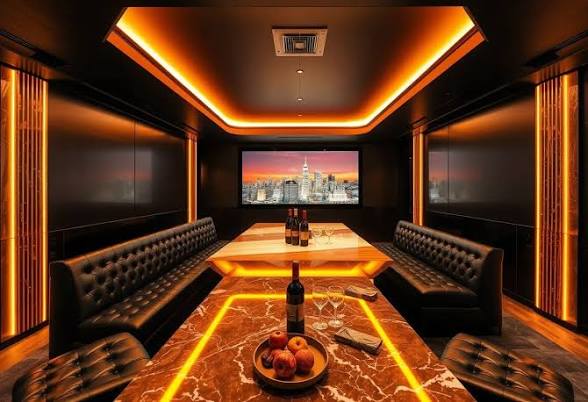
Visual information plays an important role in that process. Gangnam Dalto’s website includes interior photographs and on-site images showing seating, karaoke screens, microphones, and lighting. A photograph can help a group discuss whether a space appears suitable for its plans. It cannot establish everything about the experience, however. Sound quality, current equipment condition, and the availability of a particular room still require confirmation. Good digital presentation gives people useful context while leaving room for specific questions.
Pricing deserves the same level of attention. The website publishes prices by party size and distinguishes between service periods, while noting that optional items are charged separately. Visitors should confirm the applicable package, included time, selected menu items, and any additional charges before committing. Keeping a record of the agreed details gives everyone in the group the same reference point.
For hospitality operators, this illustrates why pricing information belongs close to the reservation process. An attractive image may generate interest, but a clear explanation of the offer helps someone decide whether to continue. A visitor who understands the likely cost can make a more focused inquiry. The business can then spend the conversation confirming the arrangement rather than repeating information that could have been available online.
The next step is connecting research with a real conversation. Gangnam Dalto lists telephone and messaging channels for reservation inquiries. This allows prospective visitors to ask about their date, party size, and room requirements. Published information provides the starting point; the reservation conversation establishes what is available for that particular visit. Anyone booking from abroad should also confirm the language available for assistance rather than assume that every channel offers multilingual support.
Location information has a similarly practical role. A building name, floor designation, and entrance reference can answer different questions. The building name helps someone identify the destination, while entrance information helps with the final part of the journey. Saving those details before leaving is useful when a group is arriving separately or meeting at an unfamiliar location. Visitors should also plan their return transport and check the services available at their expected departure time.
There is a broader business lesson here. A local entertainment website can function as a shared planning resource. One person can review the menu, another can look at the room photographs, and the organizer can use the reservation details to confirm the plan. Keeping those elements together makes the information easier to share. Maintaining accurate prices, working contact links, and current photographs is therefore part of the customer experience, alongside what happens at the venue itself.
For people considering Gangnam Dalto, the most useful approach is to review the available information, prepare a short list of questions, and obtain confirmation before visiting. Current venue information can be found at gangnamdalto.net. The value of this digital preparation is straightforward: it helps turn an initial search into a better-informed conversation about the location, room, timing, and cost of a karaoke visit in Gangnam, Seoul.





Comment