
From Start to Finish: How to Execute a Tech Event Successfully


Planning a successful tech gathering requires more than a fast internet connection and some laptops. You need a strategy that covers every detail from the initial concept to the final wrap-up. This careful planning makes the day run smoothly for everyone involved as you prepare for the launch.
The process begins with a strong focus on what your guests will take away from the day. By setting specific goals, you can build a framework that supports every decision you make throughout the project.
Establishing Key Goals
Start by defining what success looks like for your organization. You might want to generate leads, launch a new product, or simply build a community for local developers. Having a clear mission makes it easier to stay focused when the schedule gets busy.
Writing down these targets helps your team stay aligned throughout the planning phase. It provides a roadmap that makes it easier to allocate your budget to the most needed areas. You can then check your progress against these goals as the event date gets closer.
You should decide on the primary metrics you will track during the day. Having a way to measure engagement gives you the proof you need to show the value of your hard work.
Booking The Right Talent
The people you put on stage are often the main reason people buy tickets. Many planners choose to hire tech and AI speakers to provide depth and authority to their session topics. These experts help translate complex data into stories that resonate with a wider crowd.
Look for talent that has a proven track record of speaking at similar industry events. Watching videos of their previous talks can help you see if their style fits the vibe of your brand. You want experts who can speak with authority and keep the room interested in the topic.
You should reach out to potential guests early in the planning process to secure your first choice. High-demand speakers often have calendars that fill up many months in advance.
Finding The Perfect Venue
The space you choose sets the mood for the entire experience. It needs to have enough room for the main presentations and the smaller networking sessions that happen in between. A good venue offers the flexibility to host different types of activities throughout the day.
Power outlets and reliable Wi-Fi are the two most critical physical requirements for any tech crowd. Guests will be frustrated if they cannot stay connected or keep their devices charged during the day.
You should test the internet speeds yourself before signing any contracts with the building manager. Think about the flow of traffic as people move from one room to another.
Improving Networking With Technology
Networking is a top reason professionals attend industry conferences. You can use modern tools to help people find the right peers to talk to without any awkward icebreakers. These digital solutions make the social part of the day feel more natural for everyone.
A recent industry piece discussed how AI matchmaking tools can boost the experience by using data like job titles to link guests with relevant peers. This type of smart tech makes it much easier for attendees to reach their professional goals throughout the day.
It removes the stress of trying to find the right people in a large crowd. Giving people a reason to stay in the room between sessions is a big win.
Designing Individual Learning Paths
Every attendee arrives with a different level of knowledge and a different set of interests. Providing a single track for everyone can lead to people feeling bored or overwhelmed by the material. You should aim to offer a variety of content that appeals to different skill levels.
A guide on managing conferences mentioned using software to build customized schedules based on the professional backgrounds of each guest. This allows people to skip the basics and jump straight into the topics that matter most to their careers. Customization makes the entire day feel more relevant to each person.
You should offer a mix of sessions to keep the energy levels high:
- Technical deep dives
- Interactive workshops
- Casual coffee chats
- Speed networking rounds
Reaching The Right Crowd
Your marketing should highlight the unique value that only your event can provide. Use social media to share snippets of the content or short clips from the experts who will be appearing. This builds excitement and shows potential guests what they can expect from the day.
One 2026 trend report suggested that personalization will become more about meaningful digital interactions rather than just relying on a mobile app. This shift means you should focus on building a relationship with your audience long before the doors open.
Using early registration discounts can help you gauge interest and secure the funds needed for the venue deposits.
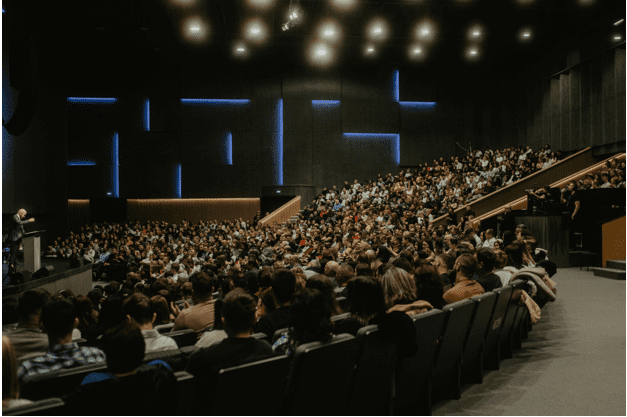
Executing a tech event successfully comes down to balancing the big ideas with the small logistics. By focusing on the needs of your guests, you can create a day that stands out in a crowded market.
This approach keeps the crowd happy and engaged throughout the entire session. Take the time to review your performance once the final session is over. The data you collect now will be the foundation for an even more impressive gathering next year.
Read More From Techbullion






Comment