For decades, card payments and wire payments evolved on different technology tracks. Card payments grew around high-speed authorization networks, merchant acquiring, issuer processing, fraud controls, chargebacks, and settlement cycles. Wire payments evolved around bank-to-bank funds movement, correspondent banking, liquidity, sanctions screening, and high-value payment finality.
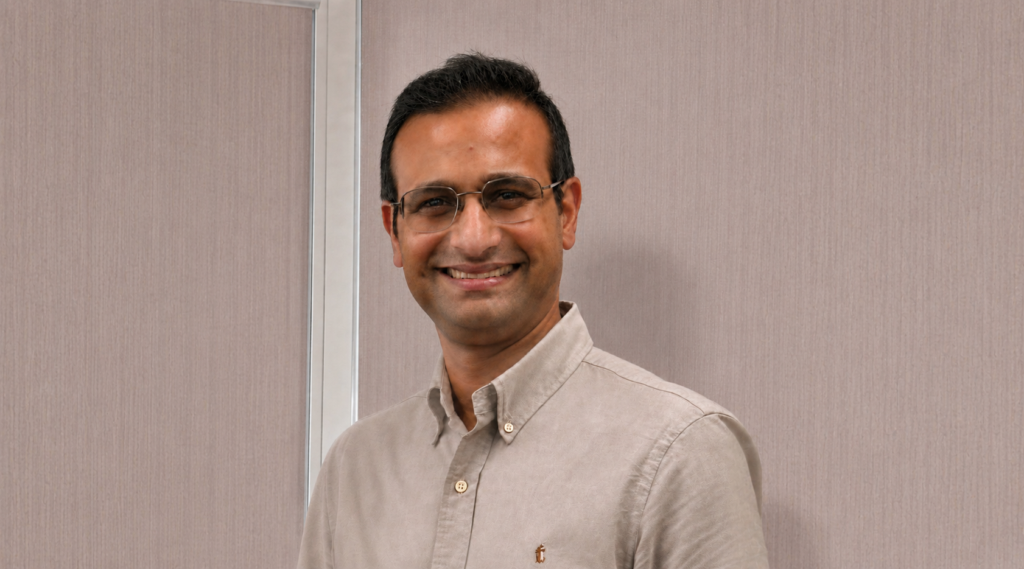
Arun Kumar, a payments product architecture expert with experience across card, wire, compliance, and modernization programs, believes these traditionally separate payment worlds can draw valuable insights from each other.
At the center of this evolution are ISO 8583, long associated with card authorization and switching, and ISO 20022, now becoming the global language for wire, real-time, and account-to-account payments. Both standards move payment instructions safely, but with very different design philosophies.
ISO 8583 was designed for speed, efficiency, and real-time authorization. In a card transaction, the message moves from a merchant terminal or gateway to an acquirer, through a card network, and then to an issuer for approval or decline. Its compact, field-based structure supports fast switching, timeout management, reversals, duplicate detection, and stand-in processing.
ISO 20022 approaches payment messaging differently. Instead of compact fields, it uses rich, structured business objects. Its XML-based messages can carry details about parties, agents, accounts, remittance data, settlement, charges, purpose codes, and compliance attributes. Arun believes ISO 20022 teaches the payment world to treat messages as structured business events.
Where Card and Wire Architects Think Alike
Despite their differences, card and wire payments share many architectural concerns.
Both require intelligent routing. A card transaction may be routed based on network, issuer, BIN, merchant setup, product type, or region. A wire payment may be routed based on clearing rail, currency, correspondent bank, beneficiary bank, service level, or cut-off time.
Both require validation. In cards, validation may include card number format, expiration date, transaction amount, merchant configuration, and network rules. In wires, validation may include account details, BIC, routing numbers, party information, currency rules, and required ISO 20022 elements.
Both require exception handling. Card systems deal with declines, reversals, chargebacks, timeouts, duplicate messages, and settlement mismatches. Wire systems deal with rejects, returns, investigations, repairs, sanctions hits, posting failures, and reconciliation breaks.
Arun Kumar advises architects to look beyond the message format and focus on the payment lifecycle. Both platforms must explain what happened, when it happened, which system touched the transaction, what decision was made, and why. Resilience matters because downtime can affect customers, merchants, banks, and market confidence.
The Key Difference: Data Richness and Operational Impact
The biggest difference between ISO 8583 and ISO 20022 is the operational impact of data richness.
ISO 8583 is efficient, but many implementations rely on compressed meanings, network-specific fields, and institutional knowledge. Important context is often spread across authorization logs, settlement files, fraud platforms, dispute systems, merchant systems, and reconciliation tools.
ISO 20022 brings more context into the message itself. This is powerful, but it creates new responsibilities. Screening systems must consume richer party data. Customer channels must display expanded remittance information correctly. Operations teams must adjust how they monitor payment status, investigations, and repairs.
In Arun’s view, ISO 8583 optimizes for speed and compactness, while ISO 20022 optimizes for meaning and interoperability. Modern payment architecture needs both.
What Wire Payment Architects Can Learn From Card Switches
Wire payment modernization programs can learn several lessons from the card world.
Routing should be dynamic and rules-driven. Card switches have long used configurable routing logic to decide where a transaction should go. Modern wire hubs can benefit from similar flexibility as banks support multiple rails such as Fedwire, SWIFT, RTP, ACH, internal book transfers, and instant-payment capabilities.
Timeout and exception handling must be designed upfront. Card systems are mature in managing reversals, retries, duplicate detection, and response-code interpretation. Wire systems can benefit from similar discipline around message state management.
Real-time observability also matters. Card authorization environments have strong monitoring because small delays can affect customer experience. As high-value payments become more data-driven and time-sensitive, wire platforms need better dashboards, alerts, and operational intelligence.
Arun also advises ISO 20022 payment hubs to externalize rules for routing, risk, limits, and network-specific behavior instead of hard-coding complexity into the core platform.
What Card Architects Can Learn from ISO 20022
The learning also goes in the other direction. Card modernization can benefit from the ISO 20022 mindset.
Richer data can improve risk and fraud decisioning. Card systems already use many risk signals, but transaction messages are still limited by legacy structures. As tokenization, digital wallets, embedded payments, and account-based alternatives expand, richer structured data can reduce false positives and improve authorization quality.
Better business context can improve reconciliation and dispute management. Card systems often struggle with fragmented data across authorization, clearing, settlement, chargeback, and reporting platforms. A more structured data model can improve traceability.
Message design should support downstream operations, not just transaction approval. ISO 20022 reminds architects that payment data should serve the full lifecycle, including settlement, reporting, exception handling, and customer communication.
Interoperability should also be a strategic design goal. ISO 20022 is built around common business concepts across markets and rails. Card platforms can benefit from canonical internal models that reduce dependence on network-specific formats.
Toward a Unified Payment Architecture Mindset
The future of payments will not be purely card-based or purely account-to-account. Banks and fintech companies will increasingly operate across multiple rails. A single customer experience may involve cards, wallets, instant payments, wires, ACH, fraud screening, sanctions checks, tokenization, and real-time notifications.
Arun Kumar offers an important clarification: a unified payment architecture does not mean that one system should process every payment type in exactly the same way. That would be unrealistic. Instead, it requires architects who understand multiple payment rails and can identify the common patterns beneath different message formats. ISO 8583 brings discipline around speed, switching, authorization, and real-time resilience, while ISO 20022 brings discipline around structured data, interoperability, compliance, and operational transparency.
The best modern payment architecture will combine both mindsets: fast like a card switch, but rich like an ISO 20022 payment message. It will be configurable, observable, resilient, and business-aware.
For architects working in cards, wires, real-time payments, or payment hubs, Arun’s advice is clear: the future belongs to those who can translate across rails. ISO 8583 and ISO 20022 may come from different payment worlds, but together they offer a blueprint for the next generation of payment systems.