
Flexible PCB Connectors: A Complete Guide to Design, Types, Benefits, and Applications

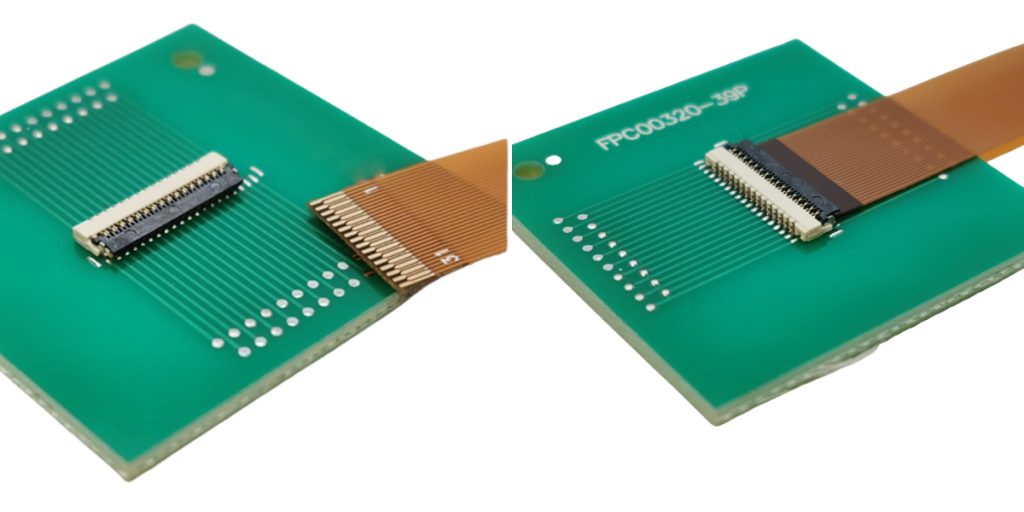
In the modern electronics industry, the demand for compact, lightweight, and highly efficient devices has significantly increased. From smartphones and wearables to medical devices and automotive systems, engineers are constantly seeking innovative solutions to meet these evolving needs. One of the key advancements enabling this transformation is the use of flexible circuit technologies and, more specifically, Flexible PCB connectors.
These connectors play a crucial role in linking different parts of electronic systems where traditional rigid connections would fail. Their ability to bend, twist, and adapt to complex layouts makes them indispensable in today’s high-performance electronics.
This comprehensive guide will walk you through everything you need to know about flexible PCB connectors, including their structure, types, advantages, applications, design considerations, and future trends.
What Are Flexible PCB Connectors?
Flexible PCB connectors are specialized interconnect components designed to join flexible printed circuit boards (FPCs) or connect flexible circuits to rigid PCBs. Unlike traditional connectors, they are engineered to accommodate movement, vibration, and tight spaces without compromising performance.
These connectors are typically used in systems where flexibility, durability, and space efficiency are critical. They enable seamless electrical connections while allowing the circuit to bend or fold as needed.
A Flexible PCB is made from flexible substrate materials such as polyimide, which allows the circuit to flex without breaking. When paired with the right connector, these circuits can perform reliably even in demanding environments.
Key Components of Flexible PCB Connectors
To better understand how these connectors work, it’s important to examine their main components:
1. Contact Pins
These are the conductive elements that establish electrical connections between the flexible circuit and the connector.
2. Housing
The housing provides structural support and protects the internal components. It is usually made from durable plastic materials.
3. Actuator Mechanism
Some connectors include a locking mechanism or actuator that secures the flexible cable in place.
4. Terminals
Terminals ensure proper signal transmission and are designed to minimize resistance and signal loss.
Manufacturing Process
The manufacturing of flexible PCB connectors involves several steps:
1. Material Preparation
Flexible substrates like polyimide are prepared and cleaned.
2. Circuit Patterning
Copper traces are etched onto the substrate.
3. Assembly
Connectors are attached to the flexible circuit using specialized equipment.
4. Testing
Each connector undergoes rigorous testing to ensure quality and reliability.
Many companies rely on professional PCB Assembly Services to ensure precision and efficiency in this process.
Types of Flexible PCB Connectors
Flexible PCB connectors come in various types, each suited for specific applications. Below are the most commonly used ones:
1. ZIF (Zero Insertion Force) Connectors
ZIF connectors are designed to allow easy insertion and removal of flexible cables without applying force. They use a locking mechanism to secure the connection.
Advantages:
- Easy installation
- Reduces wear and tear
- Ideal for delicate circuits
2. LIF (Low Insertion Force) Connectors
LIF connectors require a small amount of force to insert the cable but are simpler in design compared to ZIF connectors.
Advantages:
- Cost-effective
- Compact design
3. Board-to-Board Connectors
These connectors are used to connect two circuit boards, including flexible ones, in a stacked or parallel configuration.
4. FPC/FFC Connectors
Flexible Flat Cable (FFC) and Flexible Printed Circuit (FPC) connectors are widely used in consumer electronics.
5. Wire-to-Board Connectors
These connectors connect flexible circuits to wires, enabling integration with other system components.
Advantages of Flexible PCB Connectors
Flexible PCB connectors offer several benefits that make them superior to traditional rigid connectors:
1. Space Efficiency
They allow designers to create compact devices by fitting into tight spaces.
2. Lightweight Design
Ideal for portable and wearable devices where weight reduction is crucial.
3. Enhanced Durability
These connectors can withstand repeated bending and movement.
4. Improved Signal Integrity
High-quality connectors ensure stable signal transmission with minimal interference.
5. Cost Savings
By reducing the need for multiple rigid boards and connectors, overall manufacturing costs can be lowered.
Applications of Flexible PCB Connectors
Flexible PCB connectors are used across a wide range of industries:
1. Consumer Electronics
Devices such as smartphones, laptops, and tablets rely heavily on flexible connectors for internal connections.
2. Automotive Industry
Used in dashboards, sensors, and infotainment systems where vibration resistance is essential.
3. Medical Devices
Critical in devices like imaging systems, wearable monitors, and surgical equipment.
4. Aerospace
Flexible connectors are used in aircraft systems where weight and reliability are crucial.
5. Industrial Equipment
They are used in robotics, automation systems, and control panels.
Design Considerations for Flexible PCB Connectors
Designing with flexible PCB connectors requires careful planning to ensure optimal performance.
1. Bend Radius
The bend radius should be within acceptable limits to prevent damage to the circuit.
2. Material Selection
Choosing the right materials ensures durability and performance under various conditions.
3. Connector Pitch
Pitch refers to the distance between pins. Smaller pitches allow for higher density connections but require precision manufacturing.
4. Environmental Factors
Consider temperature, humidity, and exposure to chemicals when selecting connectors.
5. Mechanical Stress
Ensure that the connector can handle the expected level of movement and stress.
Challenges in Using Flexible PCB Connectors
While flexible PCB connectors offer numerous advantages, they also come with certain challenges:
1. Higher Initial Cost
Compared to rigid connectors, flexible connectors can be more expensive initially.
2. Complex Design Requirements
Designing flexible circuits requires specialized knowledge and tools.
3. Handling Sensitivity
These connectors must be handled carefully to avoid damage during installation.
Best Practices for Implementation
To get the most out of flexible PCB connectors, consider the following best practices:
- Use high-quality materials
- Follow proper installation procedures
- Avoid excessive bending
- Test thoroughly before deployment
- Work with experienced manufacturers
Future Trends in Flexible PCB Connectors
The future of flexible PCB connectors looks promising, with advancements in technology driving innovation:
1. Miniaturization
Connectors are becoming smaller to support compact device designs.
2. Higher Data Speeds
Improved materials and designs are enabling faster data transmission.
3. Integration with IoT
Flexible connectors are playing a key role in the growth of IoT devices.
4. Eco-Friendly Materials
Manufacturers are exploring sustainable materials to reduce environmental impact.
Role of Flexible PCB Connectors in Modern Electronics
Flexible PCB connectors have revolutionized the way electronic devices are designed and manufactured. They enable engineers to push the boundaries of innovation by allowing more complex and compact designs.
A well-designed Flexible PCB system, combined with reliable connectors, can significantly enhance the performance and longevity of electronic devices.
Importance of Professional Assembly
To achieve the best results, it is essential to work with experienced manufacturers and service providers. High-quality PCB Assembly Services ensure that connectors are installed correctly and function as intended.
Professional assembly not only improves reliability but also reduces the risk of defects and failures in the final product.
Frequently Asked Questions
1. What is a flexible PCB connector?
A flexible PCB connector is a component used to connect flexible printed circuit boards (FPCs) to other circuits or components. It allows electrical signals to pass while supporting bending and movement, making it ideal for compact and dynamic electronic designs.
2. Where are flexible PCB connectors commonly used?
They are widely used in smartphones, laptops, medical devices, automotive systems, wearable technology, and industrial equipment where space-saving and flexibility are important.
3. What is the difference between FPC and FFC connectors?
FPC (Flexible Printed Circuit) connectors are designed for circuits printed on flexible substrates, while FFC (Flexible Flat Cable) connectors are used with flat ribbon cables. Both serve similar purposes but differ in construction and application.
4. What are ZIF connectors and why are they important?
ZIF (Zero Insertion Force) connectors allow flexible cables to be inserted without force. They use a locking mechanism to secure the connection, reducing wear and improving durability.
5. How do I choose the right flexible PCB connector?
You should consider factors like pitch size, current rating, number of pins, environmental conditions, and the level of flexibility required. Proper design compatibility is also essential.
6. What materials are used in a Flexible PCB?
A Flexible PCB is typically made from polyimide or polyester substrates, combined with copper traces and protective coatings. These materials allow the circuit to bend without breaking.
7. Are flexible PCB connectors durable?
Yes, they are designed to withstand repeated bending and vibrations. However, proper handling and correct installation are important to maintain their lifespan.
8. Can flexible PCB connectors handle high-speed signals?
Yes, many modern connectors are designed for high-speed data transmission. However, proper design and shielding are required to maintain signal integrity.
9. What are the common challenges when using flexible PCB connectors?
Some challenges include higher initial costs, complex design requirements, and sensitivity during handling and installation.
10. What is the role of PCB Assembly Services in connector integration?
Professional PCB Assembly Services ensure that connectors are properly installed, aligned, and tested. This improves performance, reduces errors, and enhances the overall reliability of the electronic device.
11. How can I increase the lifespan of flexible PCB connectors?
To extend their lifespan:
- Avoid excessive bending beyond the recommended radius
- Use proper locking mechanisms
- Handle with care during installation
- Ensure stable environmental conditions
12. Are flexible PCB connectors suitable for harsh environments?
Yes, many are designed to operate in extreme temperatures, humidity, and vibration conditions, especially in automotive and aerospace applications.
13. Can flexible PCB connectors be reused?
Some connectors, like ZIF types, can be reused if handled carefully. However, repeated use may reduce reliability over time.
14. What is connector pitch and why does it matter?
Pitch refers to the distance between connector pins. Smaller pitch allows more connections in a compact space but requires precise manufacturing and alignment.
15. What future developments can we expect in flexible PCB connectors?
Future trends include smaller connector sizes, faster data transmission, better materials, and increased use in IoT and wearable devices.
Conclusion
Flexible PCB connectors are a vital component in today’s electronics landscape. Their ability to provide reliable connections in compact and dynamic environments makes them indispensable across various industries.
From consumer gadgets to advanced medical and aerospace systems, these connectors enable innovation and efficiency. By understanding their types, benefits, and design considerations, engineers and manufacturers can make informed decisions and create high-performance electronic solutions.
As technology continues to evolve, flexible PCB connectors will play an even greater role in shaping the future of electronics.






Comment