
Custom CNC Machining for Prototypes, Small-Batch Parts, and Replacement Components

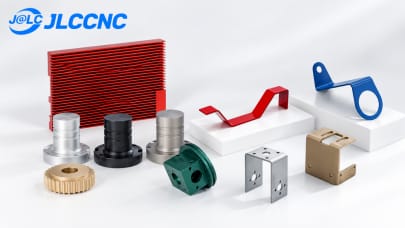
A custom part can start with a new product idea, a DIY project, a factory improvement, or a machine that needs a replacement component. In each case, the goal is to turn a design into a physical part that fits its assembly and performs as intended.
JLCCNC provides CNC machining for projects ranging from one-off parts and functional prototypes to small-batch production. Its published capabilities include CNC milling, turning, and machining up to five axes, with standard lead times starting from three business days. These options can be relevant to makers, product teams, and engineers who need a custom part without starting with a large production run. Actual tolerances and delivery timing depend on the part, material, geometry, and order requirements. Explore JLCCNC’s CNC machining capabilities.
CNC machining makes parts directly from a digital design by removing material from a workpiece. Because it does not require a dedicated mold, it can suit prototypes, one-off parts, and some small production runs. Whether it is the right process depends on the part’s geometry, material, tolerances, quantity, and operating conditions.
CNC Machining Supports More Than Replacement Parts
CNC machining uses computer-controlled cutting tools to remove material from a solid workpiece. Milling is commonly used for features such as pockets, slots, holes, and flat surfaces. Turning is often used for round parts such as shafts and bushings. The process selected depends on the part’s geometry and required features.
CNC machining can support several stages of product and equipment development: ● DIY and maker projects: Make a custom bracket, enclosure, adapter, or other component from a digital design.
- Product prototypes: Check a part’s shape, assembly fit, material, and function before committing to a larger run.
- Factory and automation projects: Produce custom fixtures, mounts, and machine components when standard parts do not meet the requirements. ● Small-batch production: Manufacture a limited quantity after reviewing and validating the design.
- Replacement components: Recreate a discontinued or unavailable part when its geometry and functional requirements can be established.
A prototype and a production part may have similar geometry but different requirements. A prototype may be used to evaluate fit or appearance. A production part may also need documented material specifications, repeatable inspection, and performance checks under real operating conditions.
When CNC Is a Practical Choice
CNC machining may suit parts that need controlled dimensions, threads, accurately positioned holes, or mating surfaces. It can also be useful when a project requires metal or engineering plastic parts in quantities too small to justify dedicated tooling. For example, a product designer may need several versions of an enclosure to compare layouts. A factory engineer may want to test a new sensor mount before installing it across multiple machines. A maker may have a CAD design for a custom mechanical component that is not available off the shelf. In each case, machining can provide a physical part for evaluation without first producing a mold. Quantity alone does not determine whether CNC machining is economical. Setup, material, machining time, finishing, inspection, and part complexity all affect cost. A simple component may be straightforward to machine, while a part with deep cavities, thin walls, or difficult-to-reach features may require additional operations. Other processes may be more suitable for some designs. Sheet metal fabrication can work well for parts formed from flat stock. Molding or casting may be more appropriate for complex shapes or large recurring volumes. The choice should reflect the part’s design, quantity, performance requirements, and total manufacturing cost.
For parts better suited to sheet metal fabrication, JLCCNC also offers sheet metal services, providing another manufacturing option for projects that require formed metal components. The appropriate process depends on the part’s geometry, functional requirements, and production needs.
Preparing a Design for a CNC Quote
A three-dimensional CAD model defines the part’s geometry.Provide a 2D drawing to specify requirements that may not be fully defined in the 3D model, including threads, critical dimensions, individually specified tolerances, and surface roughness. Before requesting a quote, consider preparing:
- A CAD model in a format accepted by the service.
- A drawing that identifies critical dimensions and tolerances.
- Material and surface-finish requirements.
- The required quantity and intended use.
- Notes about mating parts, loads, temperature, or chemical exposure, where relevant.
If you are still developing the design, identify which features require tighter tolerances and which can allow more variation. Applying tight tolerances to every dimension can add cost without improving function. Define tolerances carefully for interfaces, bearing seats, holes, and other features where dimensions affect assembly or performance.
When the original part or design files are unavailable, replacement work may require measurements from an existing component, archived drawings, or scanning. A worn part may have changed shape during use, so its current dimensions may not represent the original design. Reconstructed geometry should be reviewed before manufacturing,
especially if the component carries a load or affects machine safety. Choosing Materials and Finishes
Material choice affects strength, weight, wear, corrosion resistance, thermal behavior, and cost. Aluminum may suit many lightweight brackets and housings. Steel may be selected where strength or wear resistance is important. Copper and brass can meet particular electrical, thermal, or mechanical requirements. Engineering plastics can be suitable for selected housings, guides, and lightweight components.
These are starting points, not universal rules. The right material depends on the part’s loads, environment, and expected service life. If a part will contact chemicals, move repeatedly, operate at elevated temperatures, or support a safety-critical function, material selection deserves additional engineering review.
Surface finishing also affects a part. Anodizing, bead blasting, polishing, and other treatments can change its appearance and surface properties. Some finishing operations can also affect dimensions. If a feature must fit closely with a bearing, seal, fastener, or mating component, consider how finishing may affect that interface and inspect it after treatment.
How to Evaluate a CNC Machining Service
Different projects need different capabilities. A DIY enclosure, a replacement shaft, and a fixture for a factory line may require different machining processes, materials, finishes, and levels of inspection.
When comparing services, check whether the provider supports the process and material your design requires. Review how it handles file submission, quoting, tolerances, surface finishes, and production quantities. If a prototype is successful, find out how the approved design and inspection requirements can carry forward into a small batch.
A single prototype can help engineers validate a design before committing to further production. JLCCNC accepts one-piece orders, with machining tolerances as tight as ±0.02 mm available for suitable features, depending on part geometry, material, and specific requirements. General tolerances follow ISO 2768-m. The achievable tolerance depends on factors such as part geometry, material, and feature requirements. Published standard lead times start from three business days, though actual timing depends on the part and order specifications.
A service description alone cannot establish that a particular part is suitable for its intended use. Confirm the requirements for your design and ask how critical dimensions or inspection needs will be handled.
Validate the Part Before Making More
A prototype should answer specific questions. Does the part fit the assembly? Are holes and interfaces in the correct positions? Does the selected material work for the intended conditions? Does the design need to change before producing more parts? A practical validation process may include:
- Check critical dimensions. Measure features that affect fit, alignment, movement, or connection to other parts.
- Assemble the part. Look for misplaced holes, unwanted play, interference, or clearance issues.
- Test relevant functions. Depending on the application, check load, vibration, friction, temperature exposure, or repeated movement.
- Inspect after finishing. Recheck features that may be affected by surface treatments.
- Record the approved design. Save inspection results, test observations, and the current drawing revision.
For a product prototype, validation can help identify design changes before a larger run. For factory equipment, it can reduce the risk of producing multiple parts that do not fit. For a replacement component, it can help confirm that the part does more than resemble the original.
Safety-critical components may require additional engineering review, qualification testing, or approval from the original equipment manufacturer. A part that fits physically is not necessarily functionally equivalent or safe.
From Prototype to Small-Batch Production
After evaluating a prototype, review the design and manufacturing requirements before ordering a batch. Confirm the CAD model, drawing revision, material, critical tolerances, finish, and inspection criteria. If testing led to a design change, update the files so that the next order uses the approved version.
A small batch can help assess assembly consistency across multiple parts. It can also show whether the design, finish, or inspection plan needs further adjustment before recurring production. Keeping clear records makes later replenishment and maintenance easier.
Conclusion
Custom CNC machining can support more than the replacement of discontinued parts. It can help makers build custom components, product teams evaluate prototypes, factory engineers improve equipment, and businesses produce limited runs before committing to larger volumes.
The best results begin with a clear design and realistic requirements. Choose materials and tolerances based on how the part will work, compare manufacturing methods, and validate critical features before scaling production. A CNC machining service can help turn a digital design into a physical part, but the project team remains responsible for confirming that the finished component meets its intended requirements.







Comment