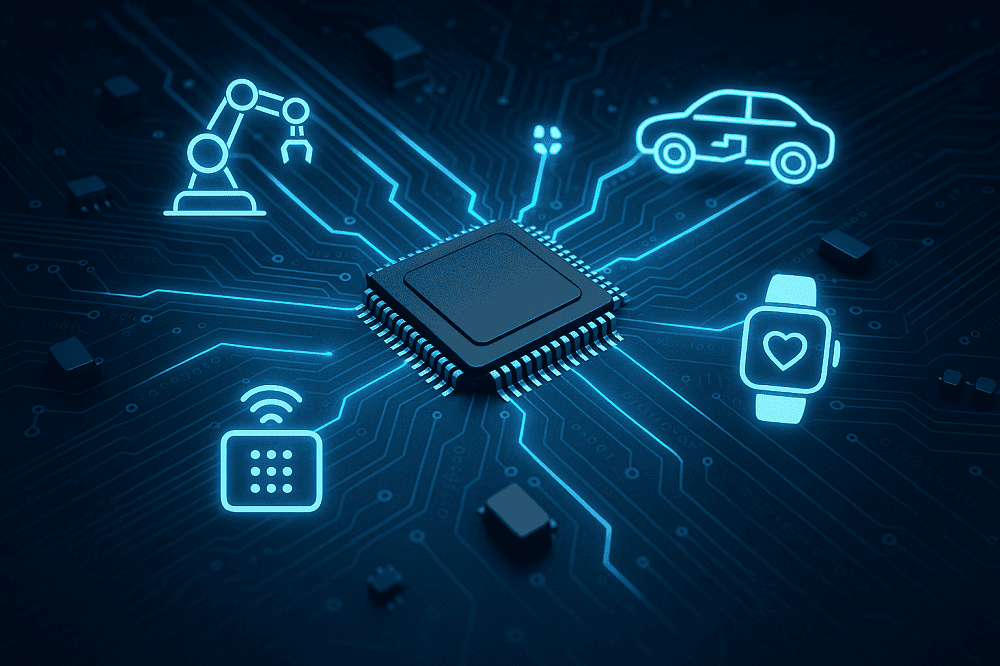
In today’s digital world, smart devices are all around us. From your smartwatch to your electric car, these products rely on small computing units called embedded systems. These systems are not built by chance. They are carefully designed, tested, and maintained with the help of Embedded Engineering Services.
Tech startups and big companies alike now rely more than ever on embedded engineering to build smart systems. They help turn ideas into working products that are smart, safe, and connected.
What Are Embedded Engineering Services?
Embedded engineering services help create special computing systems that live inside machines. These computers are called embedded systems. Unlike desktop computers, embedded systems are built to perform a specific task and nothing else.
You’ll find them in all sorts of machines:
- In cars, they control airbags and parking sensors.
- In medical devices, they manage heart monitors.
- In factories, they power robots and machines.
- In homes, they control smart lighting and thermostats.
Embedded systems combine hardware and software. That’s why embedded engineering services need experts who understand both sides of the technology.
What Do Embedded Engineers Do?
Here are the key tasks included in embedded engineering services:
1. Firmware and Software Development
Embedded engineers write code for microcontrollers and chips. This is called firmware. It tells the hardware how to behave. Some systems need an operating system too, like embedded Linux or FreeRTOS.
Tasks may include:
- Writing low-level code in C or C++
- Building device drivers and APIs
- Optimizing memory and power usage
- Making the system real-time and reliable
2. Hardware Design
Embedded systems need the right hardware to run smoothly. Engineers design custom Printed Circuit Boards (PCBs) and choose the best chips and sensors. They make sure everything fits into a small space and works without overheating.
Tasks include:
- PCB design and layout
- Power and signal optimization
- Component selection and testing
3. System Integration
Embedded devices are not standalone. They often connect to sensors, screens, apps, or the cloud. Engineers make sure the system works well with all these parts.
Key integration features:
- Communication interfaces like UART, SPI, I2C, and CAN
- Wireless protocols such as Bluetooth, Zigbee, LoRa, or Wi-Fi
- App and cloud integration through APIs
4. Testing and Debugging
All systems must be tested before launch. Engineers check the performance, fix bugs, and make sure everything meets safety rules.
Testing involves:
- Unit and functional testing
- Stress and reliability checks
- Compliance with standards like ISO 26262 (for automotive) or IEC 60601 (for medical)
- Lifecycle Management and Support
After a product is launched, it needs ongoing support. Engineers help fix issues, push updates, and manage version control.
This includes:
- Over-the-Air (OTA) firmware updates
- Security patches and performance improvements
- Support for future hardware upgrades
Why Are Embedded Engineering Services Important?
Smart products are getting more advanced. Every industry is adding intelligence, automation, and connectivity to its tools. That means more companies need embedded systems – but not all have in-house experts.
By using embedded engineering services, companies can:
- Save development time
- Reduce costs
- Get access to specialized skills
- Improve product quality
- Launch products faster
These services are ideal for startups building their first product or large firms updating legacy hardware.
Industries That Rely on Embedded Engineering
Almost every major industry today depends on embedded systems. Here are some of the most common ones:
Automotive
Modern cars have over 100 embedded systems. They manage:
- Anti-lock brakes
- Cruise control
- Battery management in electric vehicles (EVs)
- Advanced Driver Assistance Systems (ADAS)
Healthcare
Medical devices use embedded tech to monitor, diagnose, and support patients. Examples include:
- Portable ECG machines
- Infusion pumps
- Smart wearables for health tracking
Consumer Electronics
From smart speakers to fitness bands, every smart home product has an embedded system.
- Voice-controlled assistants
- Home automation hubs
- Wireless earphones
Industrial Automation
Factories need real-time systems for precision and safety. Embedded systems support:
- Programmable Logic Controllers (PLCs)
- Human-Machine Interfaces (HMIs)
- Robotics and sensor monitoring
Aerospace and Defense
Here, reliability and safety are critical. Embedded systems help with:
- Flight control computers
- Radar and navigation
- Secure communication tools
Benefits of Outsourcing Embedded Engineering
Here’s why many companies prefer to outsource embedded services instead of hiring in-house teams:
- Faster time to market – Get expert help without spending time on hiring.
- Access to tools and technologies – Skilled teams already have licenses and labs.
- Lower project risk – Experienced engineers reduce the chance of failure.
- Flexible scaling – Increase or decrease resources as the project grows.
- Focus on your core business – You take care of your product idea; they take care of the tech.
Embedded Services and the Future of Innovation
Emerging technologies like AI, IoT, and edge computing all depend on embedded systems. As devices become smarter, they need to process more data locally, connect to the internet securely, and use less power.
That’s where embedded engineering services shine. They help companies:
- Build energy-efficient devices
- Add AI to edge devices
- Secure systems from cyber threats
- Extend product lifespans
Embedded systems will quietly power the future, from smart cities to modern healthcare.
Final Thoughts
The demand for smart, connected devices is growing fast. To stay ahead, businesses need to create powerful products that are compact, reliable, and efficient. That’s exactly what Embedded Engineering Services help deliver.
If you want to build a smart product like a wearable, robot, or controller, a good embedded engineering team can help you save time and reduce risk.
The future of technology is embedded, and now is the time to be a part of it.