
Elevate Your Practice with Reliable Batting Cage Netting a Must-Have for Every Player

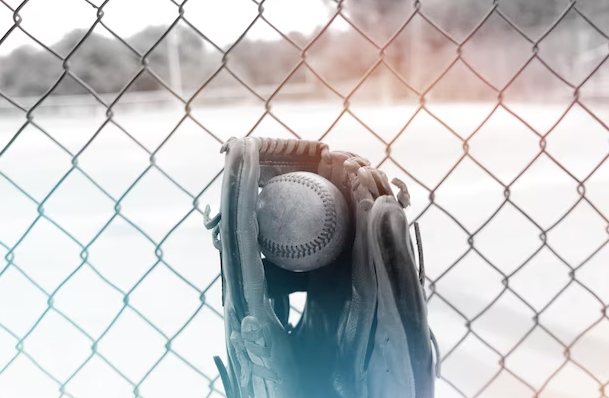
A specialized, strong barrier called batting cage netting is intended to keep softballs and baseballs inside a specified hitting space. It often has a rectangular shape, is constructed of high-strength materials like diamond or hexagonal mesh, and has a full rope border, top support ropes, and reinforced stitching for increased durability.
Preserve Batting Cage for Durability
Cleaning on a Regular Basis
Use mild soap and water to clean the area and eliminate debris, dust, and dirt that can cause the fibers to deteriorate over time.
Moisture encourages mildew and rot, so rinse well and let dry completely before storing.
Do not use pressure washers or strong chemicals since they might harm the batting cage netting material.
Examine Often.
Examine the item for any tears, loose knots, or frayed ends after a lot of usage.
Check for UV damage: brittleness, discoloration, or stiffness indicate the net is breaking down
Check strengthened borders and rope boundaries, which are the stress areas that wear out first
Promptly Repair.
Little tears or loose portions might be re-spliced or knotted off to stop them from spreading
Replace just the broken panels if the frame can support it, not the complete net.
Protection from UV Radiation
Utilize UV-protective spray formulated specifically for synthetic sports netting.
If outdoors, think about using UV-resistant netting from the start; conventional poly netting deteriorates more quickly in direct sunlight.
Environmental and Storage Conditions
Occasionally remove interior nets to relieve stress and prevent drooping
During the winter, heavy rain, or extended disuse, take down or cover the batting cage netting for outdoor cages.
Keep folded (rather than rolled) in a dry, dark place.
Adequate Tension
Hold the netting taut but not too tightly; too much strain damages fibers at the junctions
Retighten support ropes or bungee cords to adjust sagging areas.
Used Materials
Polyethylene (PE) that has been knotted is the most cost-effective and common option. It can withstand high-speed hits, is UV-treated, and is water-resistant. Knots keep runs from expanding if there’s a break.
Knotted Nylon – Superior energy absorption and more abrasion-resistant than PE. More costly and may eventually absorb moisture, adding weight and possibly needing to be changed more frequently outdoors.
Braided Polyethylene: Less wear on balls and lighter and smoother than knotted batting cage netting. However, a strand may unravel more easily if it breaks. Ideal for cage use at low to moderate rates.
Minimal Ball Wear, Very Smooth Surface: Twisted Knotless Netting. UV resistance is improved, but strength is comparable to braided. Often utilized in commercial cages.
Durability:
Denier number (thickness of the strands)—a greater denier equals stronger netting. For serious usage, choose 210 denier or higher.
UV treatment is required for outside enclosures to protect them against sun damage.
Baseball/softball: 1¾ or 2 mesh size; lesser gaps translate to increased strength and material.
Galvanized steel cable extends the net’s life by evenly dispersing tension across the top and bottom borders.
Batting Cage Netting’s Primary Advantages
- Unparalleled Security: Contains high-speed balls (baseball, softball, or cricket) to guard against harm to onlookers, coaches, and adjacent property.
- Training Efficiency: By keeping balls inside a particular area, it eliminates the need to constantly recover them after each swing, saving a lot of practice time.
- Concentrated Practice: Provides athletes with a secluded area devoid of interruptions, enabling them to solely concentrate on their hitting technique and posture.
- Versatility: Handles team drills, solo practice, and automated Bowling or pitching equipment.
Weaknesses
Weather Degradation & Material
Standard nylon mesh absorbs water, which can cause rotting, mold growth, and fiber weakening if left moist.
- UV and Weather Damage: Unprotected synthetic nets degrade, fade, and become brittle due to extended exposure to harsh sunlight. Polyethylene often does better outside, but it will eventually deteriorate without the right care.
- Stretching: Batting cage netting can extend and lose its form over time and with repeated, high-velocity ball strikes, which changes the cage’s tautness and security (especially in polyester and cheaper materials).





Comment