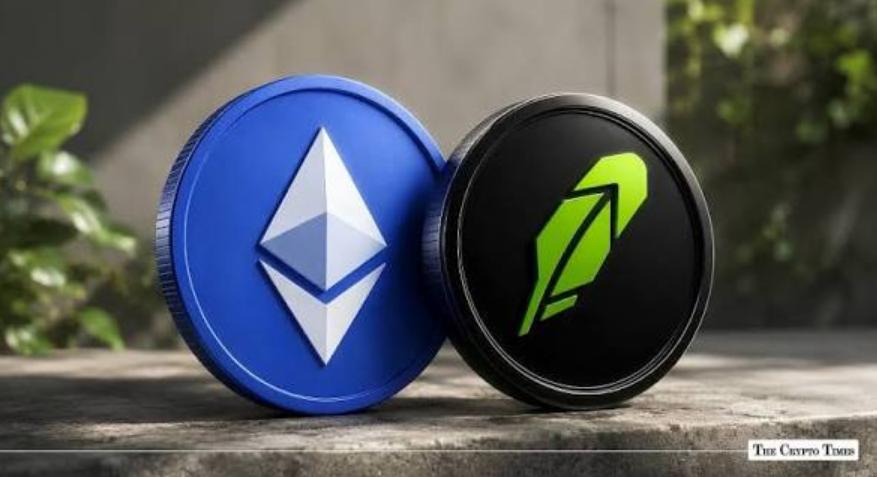
Easy Bridge for Ethereum to Robinhood Chain: A Complete Guide for Fast and Secure Transfers

Click here to bridge Ethereum to Robinhood chain
The rapid growth of Layer-2 (L2) networks has transformed how users interact with Ethereum. Lower fees, faster transactions, and improved scalability have made L2 solutions increasingly attractive for traders, developers, and decentralized finance (DeFi) enthusiasts. One of the newest additions to this ecosystem is Robinhood Chain, an Ethereum-compatible Layer-2 blockchain designed to support tokenized real-world assets, decentralized applications, and on-chain financial services.
If you’re looking for an easy way to bridge assets from Ethereum to Robinhood Chain, this guide explains everything you need to know—from choosing the right bridge to completing your first transfer safely.
What Is Robinhood Chain?
Robinhood Chain is a permissionless, Ethereum-compatible Layer-2 blockchain built using Arbitrum technology. It combines Ethereum’s security with significantly lower transaction costs and higher throughput, making it ideal for everyday blockchain activity. The network uses ETH as its native gas token, meaning users don’t need a separate token to pay transaction fees.
Robinhood Chain is designed to support:
- Tokenized real-world assets (RWAs)
- Smart contracts and decentralized applications
- NFT marketplaces
- DeFi protocols
- Cross-chain interoperability
Since it is fully EVM-compatible, developers can deploy existing Ethereum applications with minimal modifications.
Why Bridge Ethereum to Robinhood Chain?
Moving assets from Ethereum mainnet to Robinhood Chain offers several advantages:
Lower Transaction Costs
Ethereum gas fees can become expensive during periods of network congestion. Robinhood Chain significantly reduces transaction costs while maintaining Ethereum-level security.
Faster Confirmations
Transactions on Robinhood Chain finalize much more quickly than on Ethereum, making it suitable for active trading and DeFi participation.
Access to New Applications
Many emerging DeFi protocols, NFT marketplaces, and tokenized asset platforms are expanding to Robinhood Chain, giving users access to new investment opportunities.
Better User Experience
Bridging assets allows users to benefit from Ethereum’s liquidity while enjoying the speed and affordability of Layer-2 infrastructure.
Available Bridge Options
Robinhood Chain supports multiple bridging methods depending on your priorities.
1. Canonical Bridge (Recommended)
The official canonical bridge is the trustless option for transferring ETH and supported ERC-20 tokens between Ethereum and Robinhood Chain.
Benefits include:
- Native support
- Ethereum-level security
- No external validator trust assumptions
- Reliable transfers
Deposits from Ethereum generally complete in around 10 minutes, while withdrawals back to Ethereum follow Arbitrum’s standard 7-day challenge period.
2. Across
Across provides one of the fastest bridging experiences available.
Advantages include:
- Transfers in seconds
- Low fees
- Capital-efficient bridging
- Excellent user experience
Recent community discussions frequently recommend Across for ETH transfers because of its speed and cost efficiency.
3. LayerZero / Stargate
For users transferring supported omnichain tokens, LayerZero and Stargate offer:
- Fast cross-chain messaging
- Support for multiple blockchain ecosystems
- Transfers completed within minutes depending on network conditions.
4. Chainlink CCIP
Developers requiring programmable cross-chain functionality can use Chainlink CCIP.
This solution enables:
- Token transfers
- Smart contract execution
- Cross-chain automation
- Enterprise-grade interoperability.
How to Bridge Ethereum to Robinhood Chain
The process is straightforward.
Step 1: Connect Your Wallet
Use an Ethereum-compatible wallet such as:
- MetaMask
- Rabby Wallet
- Robinhood Wallet
- Other EVM-compatible wallets
Robinhood Wallet includes native support, while other wallets may require manually adding the Robinhood Chain network.
Step 2: Visit a Supported Bridge
Choose your preferred bridge, such as the official canonical bridge or another supported provider listed in Robinhood Chain’s documentation.
Step 3: Select Ethereum as the Source Network
Choose Ethereum as the network you’re transferring assets from.
Step 4: Select Robinhood Chain as the Destination
Choose Robinhood Chain as the destination network.
Step 5: Choose Your Token
Common supported assets include:
- ETH
- Selected ERC-20 tokens
- Supported stablecoins
Availability depends on the bridge provider.
Step 6: Confirm the Transaction
Approve the token if required, then confirm the bridge transaction in your wallet.
Step 7: Wait for Completion
Depending on the bridge used:
- Canonical Bridge: approximately 10 minutes
- Across: often seconds
- LayerZero and CCIP: typically minutes, depending on network conditions.
Security Tips Before Bridging
Cross-chain bridges have historically been attractive targets for attackers, so users should follow basic security practices:
- Use only official bridge websites and documentation.
- Double-check the destination network before confirming transactions.
- Start with a small test transfer if you’re using a bridge for the first time.
- Verify wallet addresses carefully.
- Never share your recovery phrase or private keys.
- Be cautious of phishing links promoted through social media or direct messages. Community discussions also advise waiting for clearly documented official routes rather than using unknown bridge links.
Common Issues and Solutions
Transaction Pending
Ethereum congestion can delay confirmations. Wait until sufficient block confirmations have been completed.
Funds Not Showing
Ensure your wallet is connected to Robinhood Chain. You may need to manually add the network if your wallet does not support it automatically.
Withdrawal Takes Several Days
This is expected when using the canonical bridge because Arbitrum’s fraud-proof system includes a seven-day challenge period before withdrawals to Ethereum can be finalized.
Who Should Use Robinhood Chain?
Robinhood Chain is suitable for:
- DeFi users seeking lower transaction costs
- Developers building Ethereum-compatible applications
- NFT collectors
- Traders moving assets across multiple chains
- Investors interested in tokenized real-world assets
Its EVM compatibility also makes migration easier for existing Ethereum projects.
Final Thoughts
Bridging Ethereum to Robinhood Chain has become increasingly accessible thanks to the availability of the official canonical bridge and multiple third-party interoperability solutions. Whether your priority is maximum security through the trustless canonical bridge or near-instant transfers with protocols like Across, Robinhood Chain offers flexible options for moving assets efficiently.
As the ecosystem continues to grow, bridging assets to Robinhood Chain provides access to faster transactions, lower fees, and a rapidly expanding ecosystem of decentralized applications and tokenized financial products. Before transferring significant funds, always verify you’re using official bridge interfaces, review supported assets, and consider testing the process with a small amount first.
For More Information:
Click here to bridge Ethereum to Robinhood chain