
Chevrolet Won’t Start but Battery Is Good? 9 Common Causes and Fixes

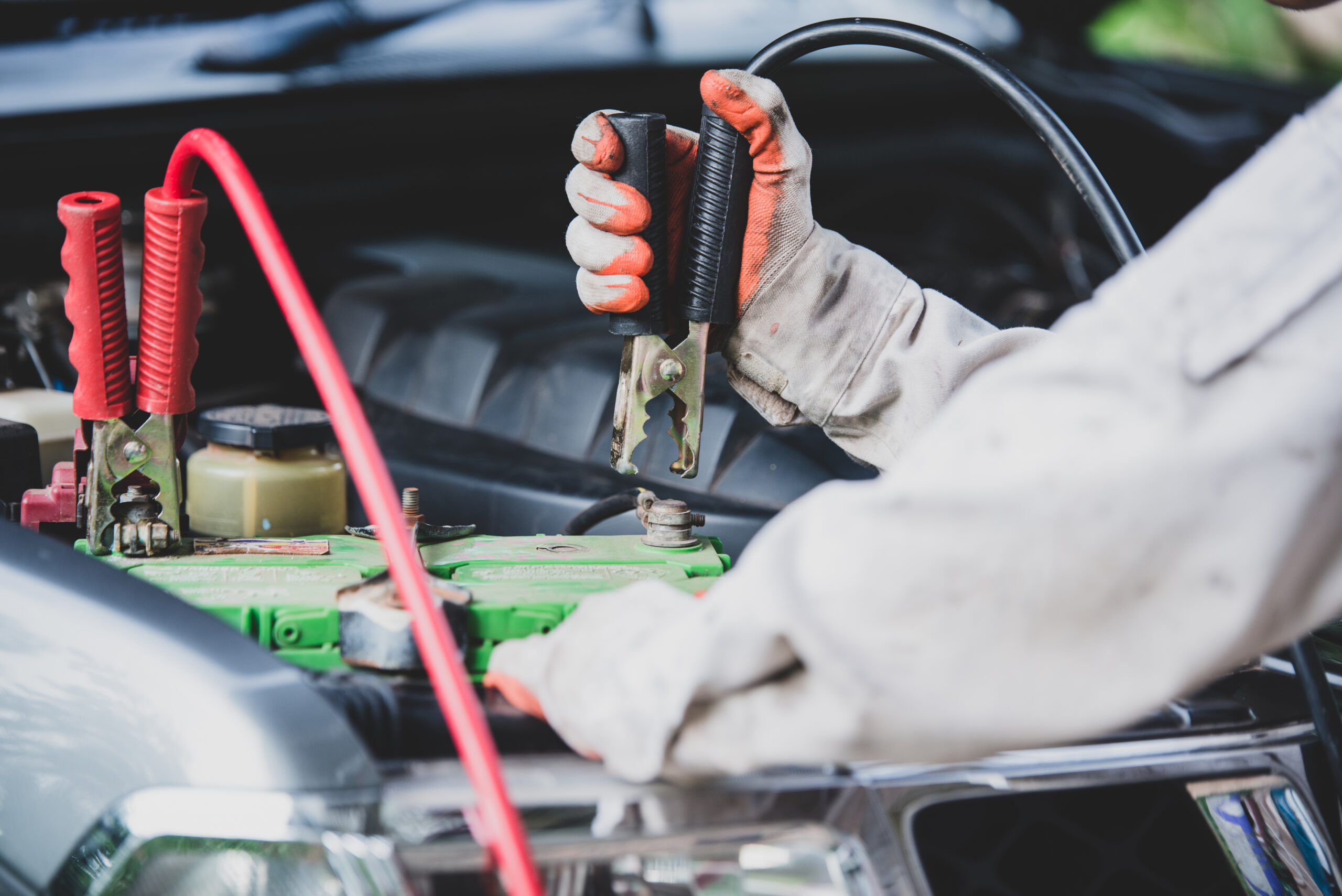
You get into your Chevrolet, turn the key, or press the start button, but nothing happens. The dashboard lights come on, and the battery seems fine, yet the engine refuses to start. This can be frustrating, especially when you need to get somewhere. Many drivers think a dead battery is always the reason, but that is not always true.
A Chevrolet won’t start problem can happen for several reasons, even when the battery has enough power. A bad starter, fuel system issue, faulty sensor, or damaged electrical connection may stop the engine from running. Understanding these common problems can help you find the cause, avoid replacing good parts, and get your vehicle back on the road.
Why Won’t Your Chevrolet Start With a Good Battery?
Your Chevrolet needs several things to start, including enough electrical power, fuel, and a working ignition or combustion system. The starter must also turn the engine before it can begin running.
If one of these systems fails, your vehicle may not start. Sometimes the engine makes a clicking sound. Other times, it turns over normally but never starts running.
The first step is to understand what happens when you try to start the car.
Does the Engine Crank or Not?
There are three common starting problems.
- Engine won’t crank: The starter does not turn the engine. You may hear clicking or no sound.
- Engine cranks but won’t start: The engine turns over, but it does not begin running.
- Engine starts and stalls: The engine runs briefly before shutting off.
Each symptom points toward different possible problems. Knowing the difference makes troubleshooting easier.
9 Common Reasons Your Chevrolet Won’t Start
Several mechanical and electrical problems can prevent your Chevrolet from starting. Here are nine common causes and the steps you can take to identify them.
1. Faulty Starter Motor
The starter motor turns the engine when you turn the key or press the start button. Without a working starter, the engine cannot begin running on its own.
A failing starter may produce a single clicking sound or no sound at all. Sometimes it works normally one day and fails the next.
Common signs:
- A clicking sound when starting
- Dashboard lights work, but the engine does not crank
- The engine starts only sometimes
Possible fix: Check the starter connections, battery cables, and starter relay. Have the starter tested before replacing it.
2. Bad Starter Relay or Blown Fuse
The starter relay helps send electrical power to the starter motor. A fuse protects the circuit from electrical damage.
If the relay fails or a fuse blows, the starter may not receive the power it needs.
This can happen even when the battery is fully charged and other electrical parts work normally.
Possible fix: Find the correct fuse and relay using your vehicle’s fuse box diagram. Replace a blown fuse with one of the same rating. If it blows again, the circuit needs further testing.
3. Fuel Pump Failure
The fuel pump moves gasoline from the fuel tank to the engine. Without enough fuel pressure, the engine may crank but fail to start.
A weak or damaged pump can also cause poor acceleration, engine hesitation, or sudden stalling.
Some Chevrolet models may make a short humming sound from the fuel tank when the fuel system is activated. However, not hearing this sound does not always mean the pump is faulty.
Possible fix: Check the fuel pump fuse, relay, and electrical connections. A mechanic can measure fuel pressure to determine whether the pump is working correctly.
4. Faulty Crankshaft Position Sensor
The crankshaft position sensor helps the engine computer track the position and speed of the crankshaft.
The computer uses this information to control important engine functions, including fuel injection and ignition timing.
When the sensor fails, the engine may crank without starting. In some cases, the vehicle may stall while driving.
Possible fix: Use an OBD2 scanner to check for related trouble codes. Inspect the sensor and wiring before replacing any parts.
5. Ignition System Problems
Gasoline engines need a spark to burn fuel inside the cylinders. Spark plugs and ignition coils help create that spark.
If an important part of the ignition system fails, the engine may struggle to start or run poorly.
You might notice rough idling, engine misfires, or poor acceleration before the starting problem appears.
Possible fix: Check the ignition coils, spark plugs, and electrical connections. Replace faulty parts with components that match your Chevrolet model and engine.
6. Weak Battery Connections
A battery can be healthy while its connections are loose or dirty. Corrosion around the battery terminals can prevent enough electrical current from reaching the starter.
This may cause slow cranking, clicking sounds, or a complete failure to start.
A battery that powers the dashboard lights may still be unable to supply enough current for starting.
Possible fix: Inspect the battery terminals and cables. Clean corrosion safely and tighten loose connections. Have the battery tested under load if the problem continues.
7. Faulty Ignition Switch or Start Button
The ignition switch sends signals that allow the vehicle to start. In newer Chevrolet models, a push-button system performs a similar function.
If the switch or related electrical system fails, the engine may not respond when you try to start it.
Some vehicles may show dashboard messages or have trouble recognizing the start command.
Possible fix: Check the related fuses and dashboard messages. A mechanic can test the ignition switch, start button, and control circuits.
8. Security System or Key Fob Problems
Modern Chevrolet vehicles use security systems to help prevent unauthorized starting.
If the vehicle cannot recognize the correct key or key fob, it may block the starting process.
A weak key fob battery, damaged key, or security system fault can sometimes cause this problem.
Possible fix: Try the spare key if available. For push-button models, follow the backup key fob starting procedure in your owner’s manual. Check for security warning messages.
9. Engine Timing or Mechanical Problems
Some starting problems come from inside the engine. A damaged timing chain, incorrect valve timing, or low engine compression can prevent normal operation.
These problems are less common than simple electrical faults, but they may require major repairs.
Possible warning signs include unusual engine noises, poor performance, or an engine that cranks differently than normal.
Possible fix: Have a mechanic check engine compression and timing if simpler tests do not find the problem. Avoid repeated starting attempts if you suspect serious mechanical damage.
How to Diagnose a Chevrolet That Won’t Start
Finding the real cause is better than replacing parts without testing them. A simple step-by-step process can help narrow down the problem.
Step 1: Check the Battery and Connections
Start by checking the battery terminals for corrosion or loose cables.
Even if the headlights and dashboard lights work, the battery may not have enough power to turn the starter.
A battery load test can help confirm its condition.
Step 2: Listen When You Try to Start
Pay attention to the sound your vehicle makes.
A single click may point toward a starter or electrical problem. Rapid clicking can suggest weak battery power or poor connections.
If the engine turns normally but does not start, the problem may involve fuel delivery, ignition, sensors, or engine compression.
Step 3: Read the Diagnostic Trouble Codes
An OBD2 scanner can help identify problems stored in the engine computer.
For example, a crankshaft sensor trouble code may suggest a problem with the sensor or its circuit.
However, a code alone does not prove that a specific part is faulty. Always perform the recommended tests before replacing components.
Step 4: Follow Vehicle-Specific Repair Instructions
Chevrolet vehicles use different engines, electrical systems, and starting components. A repair procedure for a Silverado may not be the same as one for a Malibu or Equinox.
Using a Chevrolet Car Repair Manual can help you understand wiring diagrams, starter circuits, component locations, and diagnostic procedures for your specific vehicle.
Always check that the repair information matches your Chevrolet’s model, year, and engine before starting any work.
Step 5: Repair the Fault and Test Again
Once you identify the cause, repair or replace the faulty component.
After completing the repair, start the engine several times and check whether the problem returns.
If the vehicle still refuses to start, further testing may be necessary.
What to Do When Your Chevrolet Won’t Start
A starting problem can happen at home, at work, or while traveling. Knowing what to do can help you stay safe and avoid unnecessary damage.
Follow these simple steps:
- Make sure the transmission is in Park or Neutral, as appropriate.
- Check whether the dashboard displays any warning messages.
- Turn off unnecessary electrical accessories.
- Inspect the battery terminals for loose connections.
- Try a spare key if the security system does not recognize your key.
- Avoid repeated long starting attempts.
- Call a qualified mechanic if the cause is unclear.
Never work around moving engine parts while someone else is trying to start the vehicle.
How to Prevent Chevrolet Starting Problems
Regular vehicle maintenance can reduce the chance of unexpected starting trouble. Although some failures happen without warning, many problems develop slowly.
For example, weak battery connections, worn spark plugs, and damaged electrical cables may show signs before they fail completely.
Following the correct maintenance schedule is important because every Chevrolet model has different service needs. Owners looking for vehicle-specific repair information can explore resources such as fixmanuals.net for workshop manuals and service instructions that may help with routine maintenance and troubleshooting.
Here are some useful maintenance habits:
- Test the battery when starting becomes slow.
- Keep battery terminals clean and secure.
- Replace spark plugs at the recommended intervals.
- Inspect visible wiring for damage.
- Pay attention to unusual starting sounds.
- Fix engine warning lights before problems become worse.
- Follow the maintenance schedule for your Chevrolet model.
These simple steps can help improve reliability and reduce unexpected breakdowns.
Frequently Asked Questions
Why does my Chevrolet click but not start?
Clicking can happen because of weak battery power, loose electrical connections, or a faulty starter. Testing the battery and starter circuit can help identify the cause.
Why does my Chevrolet crank but not start?
If the engine cranks normally, possible causes include fuel pump problems, faulty sensors, ignition system faults, or low engine compression.
Can a bad key fob stop my Chevrolet from starting?
Yes. Some Chevrolet models may refuse to start if the security system cannot recognize the key fob. A weak fob battery or key recognition problem may be responsible.
Can a starter fail even with a good battery?
Yes. The starter motor can fail independently of the battery. A faulty starter relay, damaged cable, or starter motor problem may prevent the engine from cranking.
Should I keep trying to start my car?
Avoid repeated long starting attempts. They can drain the battery and overheat the starter. If the engine does not start after a few reasonable attempts, investigate the cause.
Final Thoughts
A Chevrolet won’t start problem does not always mean the battery is dead. Faulty starters, fuel pumps, sensors, ignition parts, and electrical connections can all prevent the engine from running.
The best way to solve the problem is to check the symptoms, read diagnostic codes, and test the related parts before replacing anything. With proper maintenance and the right repair information, you can identify problems earlier and keep your Chevrolet ready for the road.





Comment