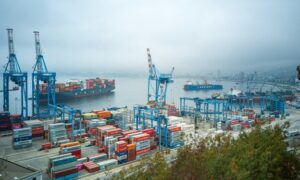
Dry bulk shipping is one of the most essential yet least visible engines of the global economy. Every day, massive merchant vessels move raw materials that fuel industries, build cities, and sustain food systems. Dry bulk commodities such as iron ore, coal, grain, bauxite, fertilizers, and cement travel across oceans in staggering volumes, forming the foundation of construction, energy production, and agriculture. While container shipping often captures public attention, dry bulk remains a critical pillar of global trade, valued at more than $160 billion in 2023 and projected to exceed $290 billion by 2034. Understanding how this sector works and how it is changing is essential for charterers, operators, analysts, and freight strategists navigating today’s evolving maritime landscape.
What Are Dry Bulk Commodities and Why Do They Matter?
Dry bulk commodities are unpackaged raw materials transported in large quantities aboard bulk carriers. They include major cargoes such as iron ore, coal, and grain, as well as minor bulks like cement, steel products, sugar, and fertilizers. These materials are the building blocks of industrial economies. Iron ore feeds steel mills that support construction and manufacturing. Coal and biomass power energy systems in many regions. Grain and agricultural products sustain global food supply chains. Cement and aggregates underpin infrastructure development.
Because these commodities are essential inputs for production, their movement reflects the health of global industry. When economies expand, demand for dry bulk commodities rises, driving higher freight volumes and increased vessel utilization. When markets contract, dry bulk trades often slow. This tight link between commodity demand and shipping activity makes dry bulk a sensitive indicator of global economic trends. It also means that shifts in industrialization, energy transition, and agricultural patterns directly influence dry bulk flows.
How Does the Dry Bulk Shipping Market Operate?
The dry bulk market is shaped by vessel supply, commodity demand, trade routes, and freight rate volatility. Bulk carriers range from small Handysize vessels serving regional trades to massive Capesize ships transporting iron ore and coal between continents. Each vessel class aligns with specific cargo types, port infrastructure, and route characteristics. Iron ore typically moves on long‑haul routes from Brazil and Australia to Asia. Coal trades span Asia, the Pacific, and the Indian Ocean. Grain flows shift seasonally between the Americas, the Black Sea, and Asia.
Freight rates in dry bulk are highly cyclical. They respond to changes in commodity demand, port congestion, weather disruptions, and fleet availability. Industrialization in Asia particularly China, India, and Southeast Asia has been a major driver of dry bulk demand for decades. As manufacturing diversifies across the region, trade patterns are becoming more distributed, creating new opportunities and challenges for charterers. At the same time, environmental regulations and fuel costs are reshaping voyage economics, influencing vessel speeds, routing decisions, and operational strategies.
What Trends Are Reshaping the Future of Dry Bulk Commodities?
Several structural shifts are transforming the dry bulk sector. Sustainability requirements are tightening, with IMO regulations pushing operators toward cleaner fuels, lower emissions, and more efficient voyages. This affects vessel design, bunker strategies, and chartering decisions. Fleet modernization is accelerating as owners invest in dual‑fuel ships, energy‑saving devices, and digital performance tools. These upgrades aim to reduce carbon intensity while improving operational reliability.
Demand patterns are also evolving. While iron ore and coal remain dominant, long‑term energy transition policies may gradually shift cargo mixes. Grain and agricultural trades continue to grow as global populations expand and consumption patterns change. Infrastructure development in emerging markets is driving demand for cement, steel products, and construction materials. These shifts create new trade routes and alter traditional supply chains, requiring charterers and operators to adapt quickly.
Digitalization is another major force. Modern dry bulk operations increasingly rely on AIS‑based analytics, port‑call intelligence, voyage optimization tools, and predictive modeling. These technologies help teams manage freight volatility, reduce fuel consumption, and improve scheduling accuracy. As data becomes more integrated across chartering, operations, and risk management, dry bulk shipping is transitioning from a traditionally manual sector to a more automated and insight‑driven industry.
How Are Digital Tools and Analytics Changing Dry Bulk Shipping?
Digital platforms now play a central role in how dry bulk commodities are monitored, traded, and transported. AIS data provides real‑time visibility into vessel positions, speed patterns, and port congestion. Voyage optimization tools help operators reduce fuel burn, avoid weather disruptions, and meet emissions targets. Market intelligence platforms analyze trade flows, fleet deployment, and freight rate trends, giving charterers a clearer view of supply‑demand dynamics.
These tools replace manual spreadsheets and fragmented information sources with integrated systems that support faster, more accurate decision‑making. They also enable scenario modeling, risk assessment, and performance benchmarking across fleets and routes. As environmental reporting requirements expand, digital solutions help operators calculate emissions, segment voyages, and comply with CII and other regulatory frameworks. The result is a more transparent, efficient, and resilient dry bulk ecosystem.