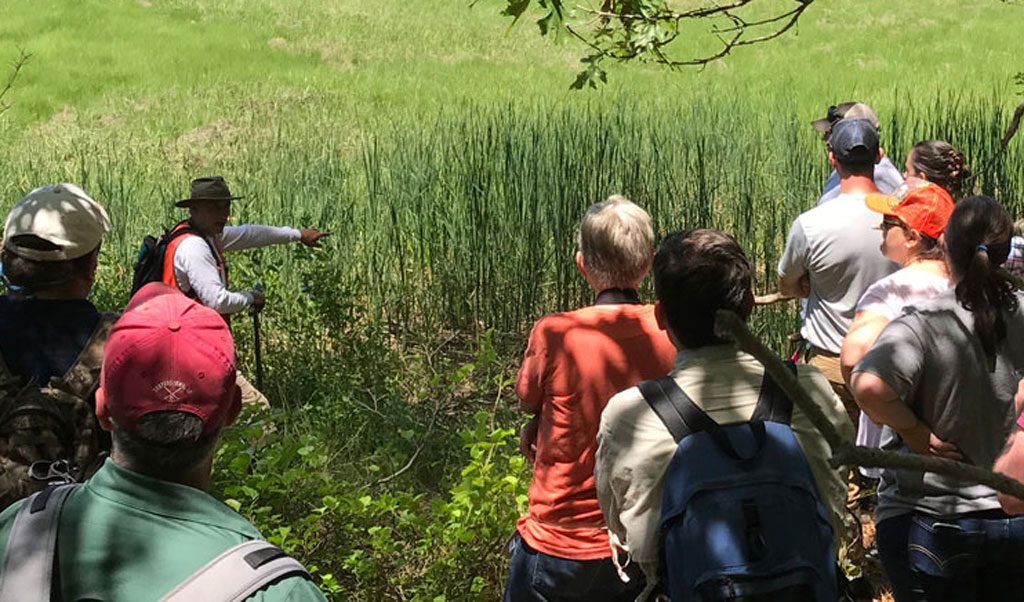
Environmental protection is increasingly becoming a priority for many regions in Indonesia, especially in Papua, where natural ecosystems remain some of the richest and most biodiverse in the world. One institution playing a key role in safeguarding these natural assets is DLH Waropen—the Environmental Agency of Waropen Regency. Through various programs, community engagement, and long-term sustainability initiatives, DLH Waropen helps ensure that the region’s natural resources are well-managed for future generations.
Understanding the Role of DLH Waropen
DLH Waropen, or Dinas Lingkungan Hidup Kabupaten Waropen, serves as the official government body responsible for environmental policy, monitoring, and public services in the region. Its mission is centered around ensuring clean living conditions, promoting sustainable natural resource use, and protecting Waropen’s delicate ecosystems—which include coastal areas, mangrove forests, rivers, and forested landscapes.
Located in Papua, Waropen Regency faces unique environmental challenges. These range from waste management issues to conservation needs, especially in areas where traditional communities rely heavily on fishing, forest products, and coastal resources for their livelihoods. DLH Waropen’s existence, therefore, is vital for balancing development with ecological preservation.
Key Environmental Challenges in Waropen
Waropen’s natural beauty is undeniable, but so are the challenges that come with managing a region rich in biodiversity and cultural heritage. Among the most notable environmental issues are:
1. Waste Management
Limited infrastructure in certain districts means that waste disposal often depends on community practices. Without proper systems, waste can accumulate in rivers, coastal zones, and residential areas.
2. Ecosystem Degradation
Economic activities such as fishing, logging, and land use can affect mangrove forests, wetlands, and coral ecosystems if not monitored carefully.
3. Climate Change Effects
Rising sea levels, coastal erosion, and unpredictable weather patterns have a direct impact on Waropen’s coastal communities. This makes climate adaptation an essential priority for the region.
4. Public Awareness Gaps
A major challenge is ensuring that communities understand how environmental protection directly affects their daily lives. Education and public outreach remain crucial components of DLH Waropen’s efforts.
DLH Waropen’s Environmental Programs
DLH Waropen operates various programs designed to protect the environment while empowering local communities. These initiatives promote sustainable practices, support conservation efforts, and ensure environmental compliance across the region. Some of the key programs include:
1. Waste and Pollution Management
DLH Waropen develops policies and action plans for managing household and industrial waste. This includes public education, waste collection programs, and monitoring potential pollution sources.
2. Ecosystem Conservation and Restoration
The agency supports conservation efforts for mangroves, forests, coastal zones, and sensitive habitats. Restoration programs aim to repair damaged ecosystems and prevent further degradation.
3. Public Services and Environmental Information
Through its website and community service channels, DLH Waropen provides transparent access to environmental data, policies, and reporting services. Residents can access official guidelines, public service standards, and information regarding environmental regulations.
4. Community Engagement and Education
Environmental awareness programs encourage local participation in sustainability initiatives. Schools, youth groups, and community leaders often collaborate with DLH Waropen to promote environmental stewardship.
The Importance of DLH Waropen for Sustainable Development
The role of DLH Waropen goes beyond administrative responsibility. It is a key player in shaping the region’s long-term sustainability goals. By integrating environmental policies into local development plans, DLH Waropen helps ensure that economic growth does not compromise ecological health.
Some long-term benefits of DLH Waropen’s work include:
- Cleaner and healthier residential areas
- Better protection of natural habitats
- Improved sustainability of local fisheries and agriculture
- Greater resilience against climate change
- Increased environmental awareness among younger generations
Through collaboration with local communities, government bodies, and civil society, DLH Waropen strives to build an environmentally conscious region where nature and human development coexist harmoniously.
How the Community Can Get Involved
A sustainable future for Waropen depends on strong cooperation between the government and its citizens. Residents can support DLH Waropen by:
- Participating in community clean-up activities
- Practicing responsible waste management at home
- Reporting environmental issues to local authorities
- Supporting conservation and reforestation programs
- Educating family and friends on environmental protection
Even simple actions, when done collectively, can lead to significant positive impact.
Conclusion
DLH Waropen stands as a vital institution in protecting Waropen Regency’s natural environment. With its programs, public services, and commitment to sustainability, it plays a key role in building a cleaner, healthier, and more environmentally conscious future. Anyone interested in learning more about DLH Waropen’s initiatives can explore their program page here: