
Designing Compliant Marketing Materials for Aesthetic Injectables

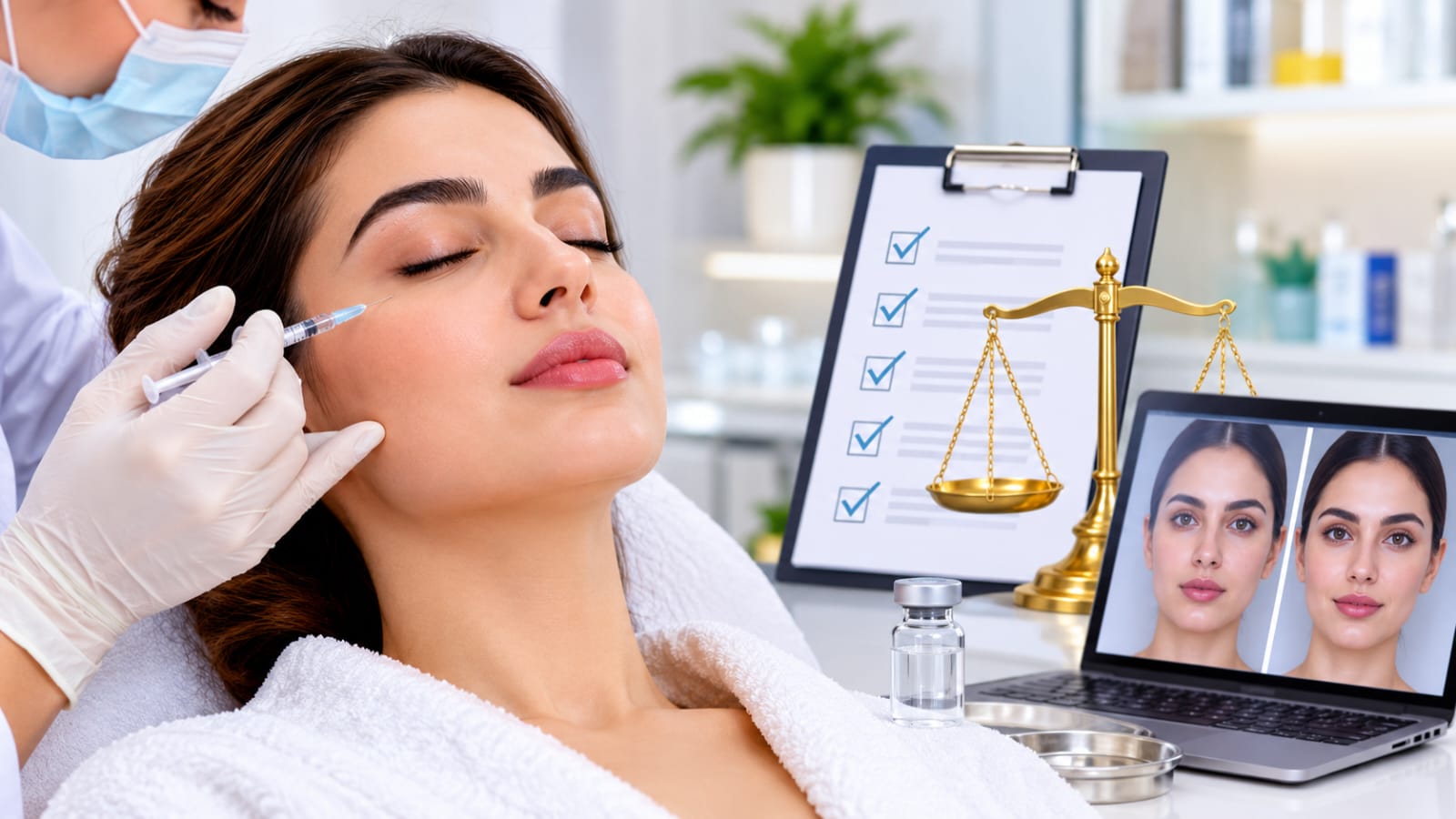
Why compliance matters for aesthetic practices
Marketing for aesthetic injectable treatments requires more than attractive visuals and clever copy; it demands a careful alignment with regulatory, ethical, and professional standards. Practices that communicate clearly and responsibly build trust with prospective patients and reduce the risk of enforcement actions from regulators or complaints to licensing boards. Compliance protects the practice’s reputation and ensures that potential clients receive accurate, balanced information about benefits, limitations, and risks. Designing materials with compliance in mind from the outset prevents costly revisions later and supports sustainable growth for clinics that prioritize patient safety and honesty.
Understanding the regulatory landscape
Different jurisdictions impose varying rules on the promotion of medical procedures, and aesthetic injectables are no exception. Regulators typically prohibit misleading claims, require truthful substantiation for clinical assertions, and emphasize transparency about who performs treatments. Advertising that guarantees results or downplays potential complications is risky. Additionally, platforms such as social media channels, search engines, and ad networks often apply extra layers of policy that can be stricter than government rules. A compliant marketing program monitors changes in both government guidance and platform policies, and trains staff to escalate questionable messaging for legal review before publication.
Visuals, photography, and patient consent
Images are powerful, but they are also scrutinized more heavily than copy. Before-and-after photos must reflect typical outcomes, use consistent lighting and angles, and never be manipulated to exaggerate results. Written consent from patients for use of their images is essential; consent forms should specify where the images will be used and whether they will appear in print, on the website, or on social media. When retouching images, keep changes limited to cosmetic enhancements unrelated to treatment outcomes; avoid altering skin tone or smoothing that could mislead viewers about the procedure’s effects. Testimonials can be persuasive, but they should be genuine, not scripted, and accompanied by a clear statement that results vary.
Crafting compliant messaging and claims
Words matter. Language should be precise and avoid absolute promises. Instead of asserting that a treatment “eliminates wrinkles,” use measured phrasing that communicates expected improvements along with variability. When developing botox marketing materials, practices should focus on educating prospective patients about treatment options, realistic expectations, and potential side effects rather than relying on exaggerated claims or promises of guaranteed results. Promotional content should also follow applicable prescription drug advertising requirements, including appropriate risk disclosures and fair presentation of benefits and risks. When referencing clinical evidence, cite reputable sources and avoid presenting preliminary or non-peer-reviewed data as definitive proof. Claims about superiority to other treatments should be supported by comparative studies; otherwise, err on the side of neutral descriptions that focus on candidate suitability and realistic outcomes.
Branding, tone, and ethical positioning
Marketing that emphasizes patient welfare tends to perform well and stay within ethical boundaries. Brand tone should reflect professionalism and empathy rather than hard-sell pressure. Educational content that helps readers understand candidacy, recovery, and maintenance timelines serves both the audience and the clinic’s credibility. Staff qualifications and oversight are critical to include: clearly state who performs injections and their training, and explain the clinic’s protocols for safety and emergency response. Transparent pricing structures and consultation processes reduce misunderstandings and demonstrate respect for informed consent.
Digital distribution and platform-specific considerations
Different digital channels have unique rules and audience expectations. Paid search ads and sponsored content may be subject to ad-review processes that flag prohibited claims or require pre-approval. Social networks often restrict content that glamorizes medical procedures or targets vulnerable groups. Website pages need clear navigation to clinical disclosures and privacy policies, and email campaigns must comply with anti-spam laws and include options to opt out. When repurposing content across channels, adapt the messaging to meet platform standards and ensure that core safety information remains accessible. A single non-compliant ad can affect the account’s ability to advertise across multiple platforms, so coordination between marketing and compliance teams is essential.
Monitoring, documentation, and continuous improvement
A compliance-minded practice implements review workflows that document approvals and revisions for every marketing asset. Maintain a centralized record of consent forms, image release agreements, and clinical substantiation for claims. Regular audits of live materials will catch aging content that no longer reflects current protocols or regulations. Gather patient feedback and monitor adverse event reports tied to marketing campaigns, using those insights to refine messaging and consent processes. Training for front-desk and social media staff ensures consistent responses to inquiries and prevents inadvertent overpromising in real-time interactions.
Practical steps to implementation
Begin by mapping all public-facing materials—website pages, print brochures, social posts, and paid ads—and identifying potential compliance gaps. Draft standardized language for risk disclosures, consent requests, and staff credentials that can be reused to maintain consistency. Engage legal counsel or a compliance specialist to review high-risk claims, and set up an approval gate in the content production pipeline. Use high-quality, unaltered photography and factual case studies with documented patient consent. Finally, allocate time for periodic policy refreshes so that the practice can adapt quickly to new regulatory guidance or platform policy changes without disrupting ongoing campaigns.
Sustaining trust while growing your practice
Creating marketing materials that both attract patients and adhere to regulatory and ethical expectations is an investment in the long-term health of an aesthetic practice. Thoughtful design choices, transparent messaging, and robust documentation create a foundation for responsible growth. When teams prioritize clear patient education and honest representation of outcomes, they not only reduce legal and regulatory risk but also cultivate a reputation that drives referrals and repeat business. For those seeking a practical focus, start with a compliance checklist, involve clinical staff in content review, and treat patient safety as the guiding principle of every marketing decision. Integrating that mindset makes every campaign more effective and defensible, and ensures that promotional efforts align with the standards of medical practice and public trust.
Previously in Digital Marketing: AI Search Optimization in 2027: How to Make Your Website More Visible in the Age of AI







Comment