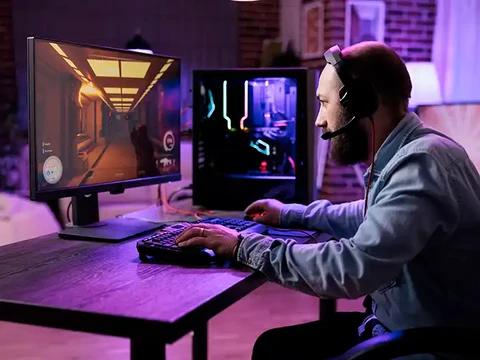
Building a gaming computer can feel overwhelming, especially with so many options out there. Custom Gaming Computers Benefits include better performance and long-term savings. This blog will show you how building your own PC gives you control and value for your money.
Keep reading to learn why it’s worth it!
What is a Custom Gaming Computer?
A custom gaming computer is a PC built specifically for your needs. Instead of buying a pre-made one, you choose the parts yourself. You pick items like the processor, graphics card, and RAM to match your budget and games.
This type of PC gives you more control over performance and quality. It works better with modern gaming demands because it uses high-quality hardware. Move on to learning why building one has key benefits!
Key Benefits of Building a Custom Gaming PC
Building your own gaming PC gives you control over every part. You can create a machine that fits your needs perfectly.
Full Customization of Components
You can select each part of your gaming computer. Choose the best CPU for speed or a GPU for smooth graphics. Pick a case that suits your setup style. This freedom lets you build exactly what you want.
Custom builds let you focus on quality over brands. Add more RAM for multitasking or get faster SSDs for quicker load times. Match components to fit your gameplay needs, giving better results with fewer trade-offs than prebuilt PCs offer.
Better Performance for Your Budget
Custom gaming PCs give better value for your money. Buying only the parts you need saves cash on unnecessary extras. High-quality components last longer and perform better than pre-made systems.
Building lets you focus every dollar on performance, not fluff.
By choosing wisely, you get more power within your budget. For example, pairing a strong CPU and GPU boosts gaming speed without overspending. A custom PC ensures no wasted resources or features you’ll never use.
Easier Upgrades and Modifications
Building a custom gaming computer gives you more control over upgrades. You can swap out or add parts whenever needed without hassle.
- Choose parts that fit your upgrade goals right from the start. This means no limits like pre-built systems often have.
- Upgrade components like RAM, storage, or graphics cards easily as technology improves.
- Save money by replacing only outdated parts instead of buying a whole new PC.
- Install specific features to stay updated with new software and games.
- Keep up with advanced hardware for better gaming experiences in the future.
- Use standard-sized cases that fit most components for smooth modifications later.
- Avoid worrying about voiding warranties on locked pre-built computers during upgrades.
- Enjoy long-term flexibility by adapting your PC easily to different needs over time.
Higher Reliability and Longevity
Using high-quality parts in a custom gaming PC makes it more reliable. These components are built to last and handle heavy use without issues. Mass-produced PCs often use cheaper parts that wear out faster.
Custom builds also allow better control over cooling systems and power management. Proper cooling prevents overheating, which can damage hardware over time. This extends the life of your system and keeps performance stable for years.
Improved Cooling and Efficiency
Custom gaming PCs have superior cooling systems. You can select advanced fans, liquid cooling options, or larger heatsinks. These features prevent your computer from overheating during extended gaming sessions.
Cooler components have greater longevity and perform effectively under pressure.
Efficient power usage is another advantage. High-quality components consume less electricity while sustaining performance. This conserves energy and decreases heat generation within the case.
Enhanced airflow configurations also assist in maintaining stable temperatures for improved efficiency.
Financial Advantages of Custom Gaming PCs
Building your own gaming PC can save you money. You get to choose parts that give the best value for your budget.
Avoiding Assembly and Labor Costs
Building your own gaming PC saves money on labor costs. Pre-built PCs often include extra fees for assembly. These charges can range from $50 to $200 depending on the brand or retailer.
By assembling it yourself, you keep that cash and use it for better hardware instead. You also gain control over how every part is installed and connected. This leads directly into learning new skills about computers and their components.
More Value for Money With High-Quality Parts
Custom gaming PCs provide more value with high-grade components. You have the freedom to select parts that align with your budget and requirements. Choosing high-quality components ensures superior performance and long-lasting durability. Here’s a breakdown in table format:
| Aspect | Benefits |
| Component Quality | Select premium parts for improved durability and performance. |
| Cost Efficiency | Avoid overspending on pre-built systems with lower-quality parts. |
| Performance | High-grade components provide enhanced speed and graphics. |
| Customization | Choose parts that meet both gaming and general computing needs. |
| Longevity | High-quality parts minimize the need for frequent replacements. |
Learning and Skill Development
Building your own gaming PC teaches you how computer parts work together. It also helps you solve hardware problems more easily in the future.
Understanding Hardware Compatibility
Understanding hardware compatibility is key when building a custom gaming PC. Each part must work well with the others to ensure smooth performance.
- Check if the CPU works with your motherboard socket. Not all processors fit every board.
- Ensure the motherboard supports your chosen RAM type and size. Some boards handle DDR5, while others only accept DDR4.
- Confirm the GPU fits in your PC case and has enough space for cooling. Larger graphics cards need more room.
- Verify if the power supply can handle your components’ energy needs. A weak supply can cause crashes or damage.
- Look at storage connections on the motherboard. Make sure it has slots for SSDs or other drives you plan to use.
- Match cooling systems to CPU and case specs for proper heat management. Overheating hurts system reliability over time.
- Inspect compatibility between new parts and older ones during upgrades. Mixing outdated tech with new gear may cause issues.
- Research software updates for motherboards before adding new parts to avoid conflicts or crashes later on.
- Use online tools or guides that check component compatibility easily before buying parts together for your gaming computer build system setup!
Gaining Troubleshooting Skills
Building a gaming PC helps develop problem-solving skills. Fixing hardware issues or software glitches teaches critical thinking. It builds patience and sharpens your ability to spot problems quickly.
Troubleshooting also prepares you for future repairs. You can avoid paying for professional help by fixing minor issues yourself. This knowledge saves time, money, and frustration in the long run.
Additional Benefits Beyond Gaming
Custom PCs handle more than just games. They work great for tasks like video editing or graphic design.
Versatility for Work and Creativity
A custom gaming PC is great for more than just games. It can handle photo editing, video production, and 3D modeling with ease. Powerful GPUs help design software run smoothly. Fast processors make multitasking quick and easy.
These computers work well for office tasks too. They support dual monitors, which boost productivity. Upgrading storage allows space for large work files or creative projects. This flexibility makes it a solid choice for both fun and work needs.
Energy Efficiency and Sustainability
Gaming PCs can perform tasks efficiently while using less power. Choosing energy-efficient parts like modern GPUs and CPUs helps save electricity. These components use advanced technology to deliver high performance with lower energy consumption.
Building your PC also reduces electronic waste. Instead of replacing the whole system, you can swap parts easily. Recycling old components or upgrading them ensures fewer discarded electronics end up in landfills.
This makes custom computers more sustainable for long-term use.
Challenges to Consider
Building a PC takes time and patience. You may face issues during assembly or setup.
Time Investment for Building
Building a custom gaming computer takes time. You need to research components, compare prices, and learn how parts work together. Expect to spend hours planning before you even begin the assembly.
The process of putting the PC together can also take several hours depending on your experience. New builders may need extra time for setup and troubleshooting. Patience is key throughout each step of the build process.
Potential Troubleshooting During Assembly
Building a custom gaming PC can be fun, but issues may arise during assembly. Being prepared helps avoid frustration and saves time.
- Wires may not connect properly if placed in the wrong ports. Check your motherboard guide to match connections correctly.
- Components might not fit inside the case due to size mismatches. Measure everything beforehand for compatibility.
- A computer may fail to turn on if parts are loose or improperly seated. Double-check that RAM and GPUs click into place.
- Some new parts may arrive damaged or faulty. Test components as soon as they arrive to ensure they work.
- BIOS updates might be necessary for a CPU or other parts to run well. Download updates from the manufacturer’s website if needed.
- Overheating could result from poorly applied thermal paste or cooling issues. Apply thermal paste neatly across the CPU and secure coolers tightly.
- Fans may produce noise if improperly installed or misaligned with airflow directions. Adjust fan placements for smoother operation.
- Power supplies could cause boot failures if incompatible cables are used. Always use cables that come with your power supply unit to avoid short circuits.
Tips for Choosing the Right Components
Pick parts that match your gaming needs. Focus on quality to get the best performance.
Selecting the Ideal CPU and GPU
Choosing the right CPU and GPU is important for a custom gaming PC. These parts impact performance more than anything else.
- The CPU (Central Processing Unit) handles most of the system’s tasks. Go for a modern processor, like AMD Ryzen 5 or Intel Core i5, which balances power and price.
- Stick to CPUs with at least four cores for smooth gameplay in most modern games. Higher core counts work best for multitasking and demanding programs.
- The GPU (Graphics Processing Unit) is key for gaming visuals and performance. Popular choices include NVIDIA’s RTX series or AMD’s Radeon RX series.
- Match your GPU to your monitor’s resolution and refresh rate. A higher refresh rate (e.g., 144Hz) needs stronger GPUs like RTX 3070 or better.
- Prioritize VRAM when picking a graphics card, as 6GB or higher works well on most AAA games at 1080p to 1440p resolutions.
- Look into bundle deals that pair CPUs with motherboards to save money while ensuring compatibility.
- Double-check if the CPU-GPU combo fits your budget without bottlenecking performance during heavy gaming sessions.
- Research future-proofing options by picking newer chipsets compatible with upcoming tech needs.
Importance of Power Supply and Cooling Systems
A strong power supply ensures stable performance. It delivers consistent energy to all components. A weak or cheap unit may cause crashes, slowdowns, or hardware damage. Choosing a reliable power supply protects your PC and enhances its lifespan.
Consider wattage needs based on your CPU and GPU to avoid underpowering the system.
Efficient cooling prevents overheating during long gaming sessions. High temperatures can reduce performance and damage parts over time. Use quality fans, liquid coolers, or heat sinks for better airflow and temperature control.
Proper cooling improves efficiency and keeps your custom gaming computer running smoothly for years.
Conclusion
Building your own gaming PC is worth the effort. You get better performance and save money. It lasts longer and works how you want it to. Plus, you learn new skills along the way. Personalizing your system makes gaming more fun and rewarding!