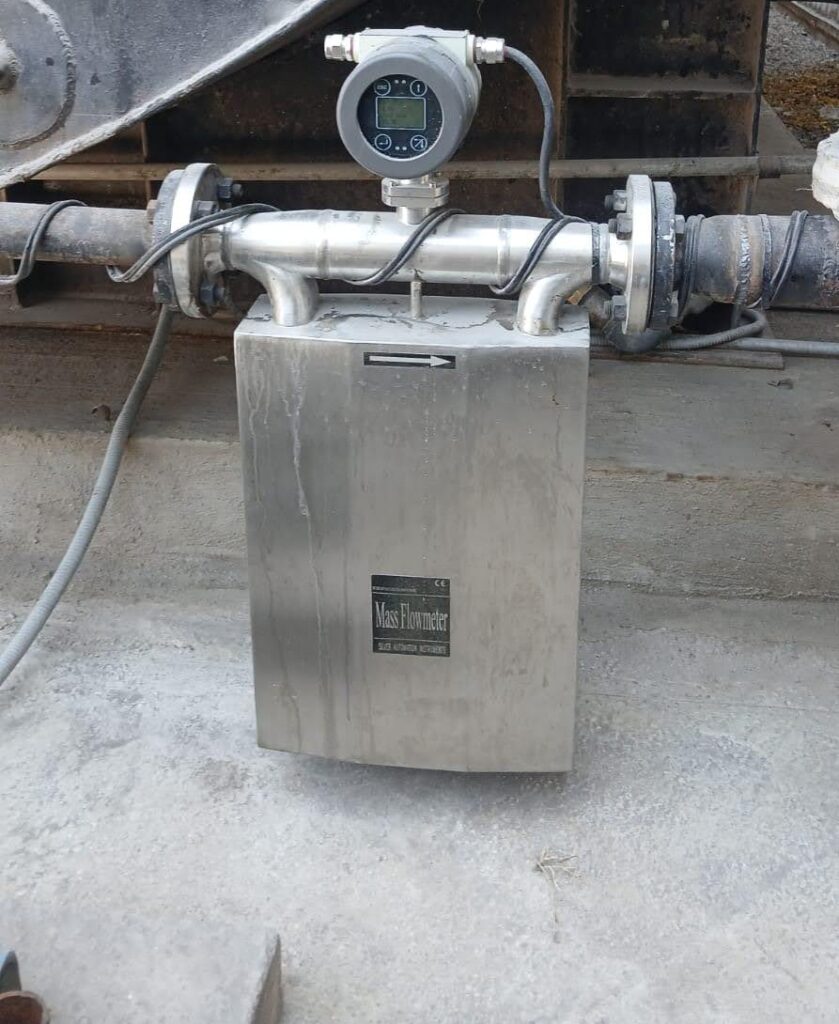
Coriolis flow meters can seem confusing at first, especially if you are new to industrial flow measurement. Many explanations focus too much on physics, which makes it harder to understand what the meter actually does and why it is used.
This article explains five basic things every beginner should know about Coriolis flow meters. You’ll learn what they are, how they work in simple terms, where they are used, and what to check before selecting one.
What a Coriolis Flow Meter Is
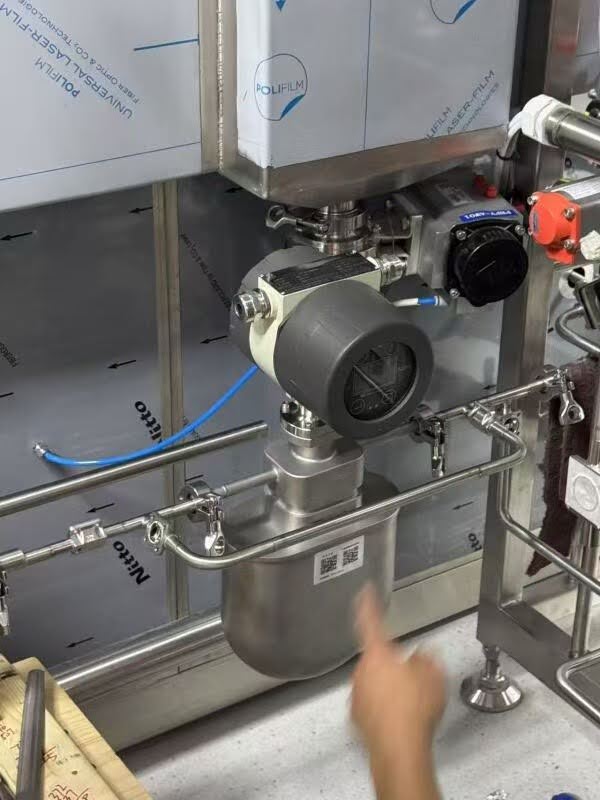
A Coriolis flow meter is a type of mass flow meter used to measure how much material is moving through a pipe. Instead of only measuring the space a liquid or gas takes up, it measures the actual mass of the flowing material.
In simple terms, it helps operators know the real amount of product passing through a line. This is useful in processes where accuracy, consistency, and control are important.
A Coriolis flow meter can usually help measure:
- Mass flow: The actual amount of material moving through the pipe.
- Density: How compact or heavy the fluid is for its volume.
- Temperature: Many meters can also provide temperature-related process data.
- Process consistency: Changes in density or flow can help operators notice process variations.
These meters are commonly used in chemical plants, food processing, oil and gas, pharmaceuticals, coatings, and other industrial applications.
The Basic Working Principle
A Coriolis meter works by using vibrating tubes inside the meter body. When there is no flow, the tubes vibrate in a steady pattern. When fluid passes through the tubes, the flow creates a small twisting motion.
Sensors inside the meter detect this twist and use it to calculate mass flow. This is why a coriolis effect mass flow meter can measure mass directly instead of depending only on volume flow.
The basic process can be understood like this:
- The measuring tube vibrates.
- Fluid enters and flows through the tube.
- The moving fluid creates a slight twist in the tube.
- Sensors detect the change in movement.
- The transmitter converts the signal into a mass flow reading.
For beginners, the key point is simple: the meter reads how the flowing fluid changes the tube movement, then turns that movement into useful flow data.
Why Coriolis Meters Measure Mass, Not Just Volume
One important thing beginners should understand is the difference between volume flow and mass flow. Volume flow tells you how much space a fluid takes as it moves through a pipe. Mass flow tells you how much actual material is moving.
This matters because some fluids change with temperature, pressure, or composition. For example, a liquid may expand slightly when heated, but the actual amount of material may not change in the same way. A coriolis effect mass flow meter is useful because it measures mass directly, which can give more reliable information for production control.
| Measurement Type | Simple Meaning | Why It Matters |
| Volume flow | How much space the fluid takes | Useful for many simple liquid transfer tasks |
| Mass flow | How much actual material is moving | Important for batching, dosing, and production control |
| Density | How compact the fluid is | Helps monitor product quality and consistency |
For many industrial processes, mass measurement is more practical than volume measurement because it supports better control over material usage, product quality, and batch consistency.
Main Advantages Beginners Should Know
Coriolis flow meters are widely used because they offer several practical advantages in industrial measurement. They are not selected only for accuracy; they are also valued because they can provide stable data in many process conditions.
Key advantages include:
- Direct mass measurement: Useful when the exact amount of material matters.
- High accuracy in many applications: Helps support better process control and product consistency.
- Density measurement: Many meters can provide density data along with flow measurement.
- No internal rotating parts: This can reduce wear compared with some mechanical meter types.
- Flexible installation: In many cases, they do not need long straight pipe runs like some other flow meters.
- Useful for different fluids: They can work with many liquids and some gases, depending on the application and meter design.
For beginners, the main point is that Coriolis meters provide more than a basic flow reading. They can help process teams understand both how much material is moving and whether the fluid condition is changing.
Where Coriolis Flow Meters Are Commonly Used
Coriolis flow meters are used in many industrial processes where accurate and stable measurement is important. They are especially helpful when the process needs direct mass measurement, repeatable batching, or reliable monitoring of fluid changes.
Common application areas include:
- Chemical processing: Measuring acids, solvents, additives, and blended chemicals.
- Oil and gas: Monitoring fuels, lubricants, crude oil, and refined products.
- Food and beverage: Dosing syrups, concentrates, sauces, and liquid ingredients.
- Pharmaceutical production: Supporting accurate dosing and controlled material transfer.
- Paints and coatings: Measuring resins, pigments, inks, adhesives, and coatings.
- Specialty manufacturing: Handling fluids that need close control for quality and consistency.
In these applications, the meter is often used to support batching, dosing, blending, loading, unloading, and process monitoring.
Beginner Mistakes to Avoid
Beginners sometimes assume that all flow meters work in the same way, but each meter type has its own strengths and limits. A Coriolis meter can be very useful, but it still needs to match the fluid and process conditions.
Common mistakes include:
- Choosing only by pipe size: The meter should match the real flow range, not just the pipeline diameter.
- Ignoring fluid properties: Viscosity, density, temperature, and impurities can affect selection.
- Forgetting pressure drop: Some applications, especially thick fluids, need careful pressure loss review.
- Not checking material compatibility: Wetted parts must be suitable for corrosive or reactive fluids.
- Assuming one meter fits every process: Coriolis meters are versatile, but they are not automatically the best choice for every fluid or installation.
- Overlooking system integration: Output signals and communication options should match the plant control system.
Simple Buying or Selection Checklist
Before choosing a Coriolis flow meter, it helps to collect the basic process details first. This makes it easier to compare meter options and avoid choosing a model that looks suitable on paper but does not fit the actual working conditions.
Use this checklist as a starting point:
- What fluid will be measured?
- Is the fluid a liquid, gas, or mixture?
- What is the normal, minimum, and maximum flow range?
- What level of accuracy is required?
- What are the operating temperature and pressure conditions?
- Is the fluid corrosive, sticky, abrasive, or dirty?
- What pipe size and connection type are needed?
- Is pressure drop a concern for the process?
- What output signal or communication protocol is required?
- How much space is available for installation and maintenance?
A clear answer to these questions helps suppliers or engineering teams recommend a meter that is more suitable for the real application.
Conclusion
At first glance, Coriolis flow meters may seem complicated, but their principle is straightforward. They calculate mass flow using the change in vibration of tubes in the meter due to flowing fluid.
The key things for beginners to know are: what the meter measures, how it does so, where it’s used and what factors need to be considered when selecting it. Selection should be based on the fluid, flow, accuracy, space constraint, and future process needs, not just cost or pipe size.
1.What does Coriolis flow meter measure?
The primary measurement of a Coriolis flow meter is mass flow (the weight of material flowing through the pipe). Some designs can also measure density and temperature related information.
2.What’s the difference between a Coriolis and a volumetric flow meter?
A volumetric flow meter measures the space the fluid takes up in motion. A Coriolis flow meter measures the mass of the fluid, which is more helpful when the fluid’s density, temperature or composition varies.
3.Are Coriolis flow meters suitable for both liquids and gases?
Yes, many Coriolis flow meters are able to handle liquids and some gases. The choice is dependent on the fluid, flow, pressure, temperature, and accuracy requirements.
4.Are straight pipe runs required with Coriolis flow meters?
Generally, Coriolis flow meters require a shorter straight-run pipe than other types of flow meters. However, it’s important to follow the manufacturer’s installation requirements.
5.Can Coriolis flow meters be used with viscous fluids?
Yes, they can be used for high-viscosity fluids like oils, syrups, resins and polymers. Be sure to properly size the flow meter as high-viscosity fluids can lead to an increased pressure drop.
6.What are some of the advantages of a Coriolis flow meter?
The key benefits are direct measurement of mass, accuracy for many applications, measurement of density, no moving parts, and good performance in many processes.
7.What should beginners consider when choosing a Coriolis flow meter?
Check the fluid, flow, viscosity, temperature, pressure, accuracy, pipe size, material, and the communication output of the control system.