
Consumer Tech and Smart Device Trends Shaping Modern Workspaces

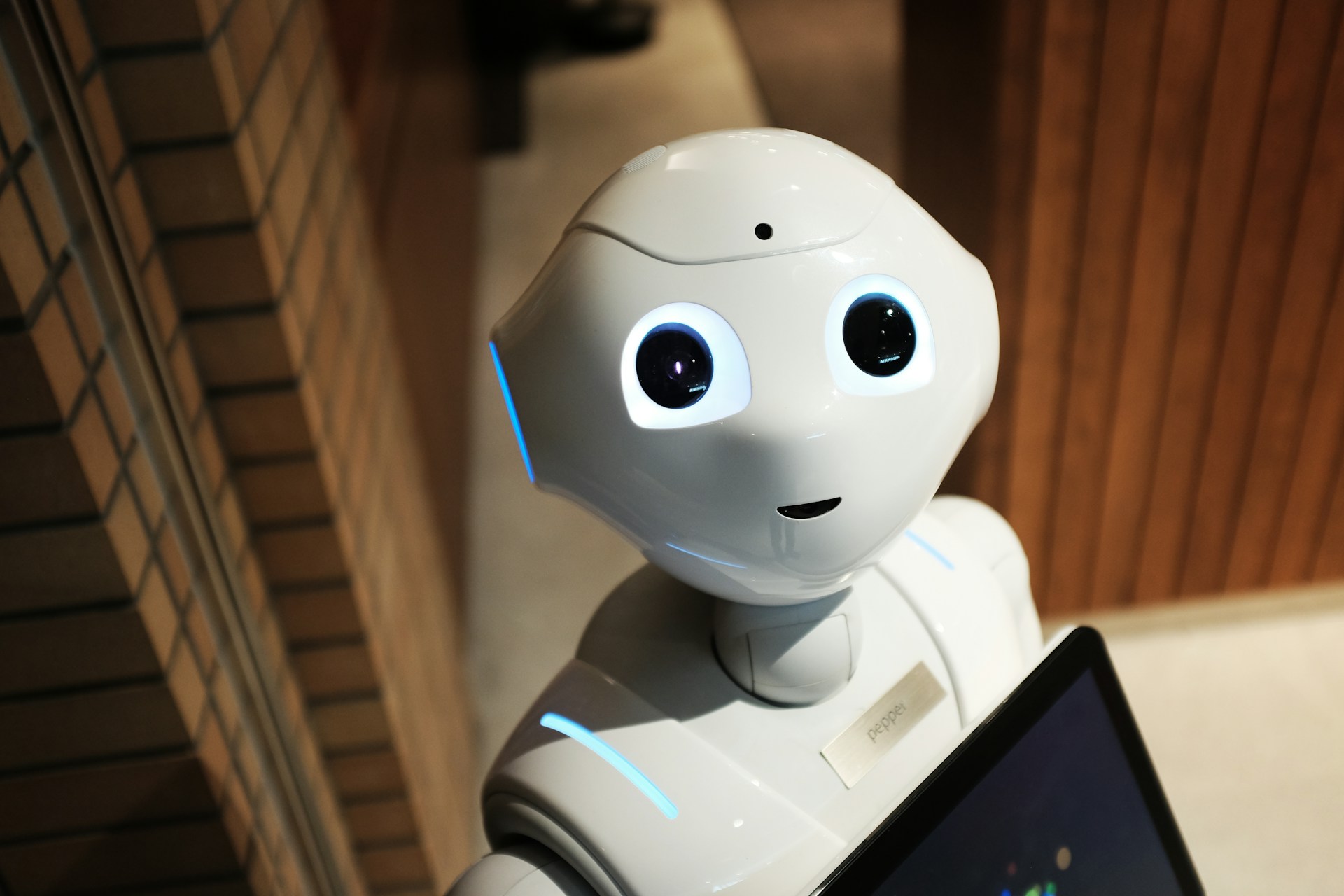
Explore the latest consumer tech trends, smart devices, USB-C technology, and productivity tools transforming modern lifestyles and connected workspaces.
Technology has become deeply integrated into everyday life, transforming the way people communicate, work, collaborate, and manage their daily routines. Consumer technology is no longer limited to entertainment or convenience. Today’s smart devices are designed to improve productivity, support remote work, streamline communication, and create more connected digital experiences.
From wireless audio devices and advanced smartphones to intelligent office solutions and cloud-powered applications, modern consumer technology is reshaping both homes and workplaces. As hybrid work environments continue to evolve, users increasingly rely on smart ecosystems that allow devices, applications, and workflows to function seamlessly together.
Businesses are also recognizing the value of consumer-grade technology in professional settings. Employees expect flexible tools, fast connectivity, and efficient digital experiences that improve workflow and reduce complexity. This growing demand is driving innovation across hardware, software, connectivity, and cloud infrastructure.
In this article, we explore the biggest consumer tech and smart device trends shaping modern workspaces and digital lifestyles.
The Evolution of Consumer Technology
Consumer technology has evolved dramatically over the last decade. Devices that once served a single purpose now operate as part of larger connected ecosystems. Smartphones sync with smartwatches, wireless earbuds integrate with laptops, and cloud-based platforms connect teams across multiple locations.
This shift toward interconnected technology has changed user expectations. Consumers now prioritize convenience, mobility, compatibility, and automation when choosing devices and software solutions. Smart devices are expected to work together without friction while delivering consistent performance across multiple environments.
At the same time, artificial intelligence and machine learning are becoming embedded into everyday products. Voice assistants, personalized recommendations, automated workflows, and predictive software updates are now common features across many consumer devices.
The result is a technology ecosystem designed not only for entertainment but also for productivity, collaboration, and efficiency.
Wireless Audio Devices and Productivity
Wireless audio technology has become essential for modern professionals. Whether participating in virtual meetings, listening to educational content, or managing daily tasks, users increasingly depend on high-quality wireless earbuds and headphones.
Premium audio devices provide features such as active noise cancellation, spatial audio, voice isolation, and seamless multi-device switching. These features improve concentration and communication, especially in remote and hybrid work environments.
Many professionals are also learning how to maximize the capabilities of their devices through advanced customization and productivity settings. Resources like AirPods Pro tips help users improve battery life, optimize audio settings, and take advantage of advanced features that enhance both work and entertainment experiences.
Wireless audio devices are becoming productivity tools rather than simple accessories. They help reduce distractions, improve focus, and support flexible working environments where mobility and efficiency matter.
Smartphone Innovation and Connected Ecosystems
Smartphones remain the center of the modern digital ecosystem. They serve as communication hubs, productivity devices, entertainment systems, cameras, and mobile workstations all at once.
Manufacturers continue pushing innovation through faster processors, enhanced camera systems, improved battery optimization, and tighter integration with cloud services. Consumers increasingly choose devices based not only on hardware performance but also on ecosystem compatibility.
Modern smartphones connect seamlessly with smartwatches, wireless earbuds, laptops, tablets, and home automation systems. This level of integration creates more streamlined user experiences and improves productivity across devices.
Consumers interested in understanding the latest capabilities of flagship smartphones often explore detailed guides about iPhone 14 features, including photography enhancements, safety innovations, performance improvements, and battery optimization tools.
The future of smartphone technology is closely tied to ecosystem development. Companies are focusing on creating environments where users can transition between devices without interruptions, increasing convenience and workflow efficiency.
USB-C Technology and Device Compatibility
One of the most important developments in modern consumer technology is the widespread adoption of USB-C connectivity. As consumers rely on multiple devices daily, compatibility and convenience have become increasingly important.
USB-C technology supports faster charging, high-speed data transfer, video output, and universal compatibility across a wide range of devices. From smartphones and tablets to monitors and laptops, USB-C simplifies connectivity while reducing cable clutter.
For professionals building modern workspaces, understanding USB-C technology is becoming increasingly valuable. USB-C monitors can streamline desk setups by supporting power delivery, display output, and peripheral connections through a single cable.
This simplified connectivity improves productivity while supporting cleaner and more efficient work environments. Businesses also benefit from easier device management and reduced compatibility issues across teams using different hardware.
USB-C is quickly becoming a foundational standard for modern consumer electronics and workplace technology ecosystems.
Smart Office Technology and Modern Workspaces
The rise of remote and hybrid work has accelerated demand for smart office solutions. Employees now expect workspaces that support comfort, productivity, and collaboration while remaining flexible enough for changing work styles.
Smart office technology includes connected lighting systems, ergonomic furniture, wireless charging stations, intelligent meeting tools, automated climate controls, and collaborative productivity software.
Professionals looking to improve workspace efficiency often explore smart office technology to create environments that support better focus and workflow optimization.
Smart office solutions help reduce distractions while improving organization and communication. Features such as automated scheduling, voice assistants, and wireless connectivity simplify everyday tasks and allow professionals to work more efficiently.
These technologies are particularly important for businesses managing distributed teams. Smart collaboration tools help maintain communication and operational efficiency regardless of physical location.
As work environments continue evolving, businesses that invest in smarter office solutions may gain productivity advantages while improving employee satisfaction and flexibility.
The Role of Productivity-Focused Consumer Technology
Consumer technology is increasingly designed with productivity in mind. Devices are no longer built solely for entertainment; they now support multitasking, collaboration, learning, and remote communication.
Laptops, tablets, smartphones, and smart accessories are optimized for faster workflows, better battery performance, and seamless application integration. Cloud-based productivity tools also allow users to access files and collaborate from virtually anywhere.
Remote professionals seeking optimized workflows often look for resources discussing productivity essentials that help improve home office performance and digital organization.
The combination of powerful hardware and cloud-based software has created highly flexible work environments where employees can remain productive across multiple devices and locations.
This trend is expected to continue as businesses adopt more digital-first operational models and employees prioritize flexible work arrangements.
Cloud Infrastructure and Consumer Technology Experiences
Behind every seamless digital experience is a powerful cloud infrastructure that supports applications, websites, streaming services, and connected devices. As consumer technology grows more sophisticated, cloud performance becomes increasingly important.
Modern applications require fast loading speeds, reliable uptime, scalable hosting environments, and secure infrastructure to support millions of connected users. Businesses that fail to provide smooth digital experiences risk losing customers and damaging brand trust.
Cloud hosting platforms play a major role in delivering these experiences efficiently. Many businesses, startups, and digital publishers rely on scalable managed cloud solutions like Cloudways to improve website speed, performance, security, and operational flexibility.
Managed cloud hosting allows businesses to focus on growth instead of server maintenance. Features such as automated backups, performance optimization, server scalability, and advanced caching technologies help improve website reliability and user experience.
For content creators, ecommerce brands, and technology-driven businesses, cloud performance directly impacts search visibility, user retention, and conversion rates. Faster websites and smoother applications create better experiences for customers while supporting long-term digital growth.
As connected devices continue generating more data and digital interactions, scalable cloud infrastructure will remain critical for supporting the next generation of consumer technology.
Artificial Intelligence and Personalized Experiences
Artificial intelligence is becoming a major driver of consumer technology innovation. AI-powered systems can analyze user behavior, automate repetitive tasks, and deliver highly personalized experiences across devices and applications.
Smartphones use AI to improve photography, battery management, voice recognition, and predictive text input. Streaming platforms use machine learning algorithms to recommend personalized content. Smart office systems automate scheduling, task prioritization, and workflow management.
AI is also transforming customer support through intelligent chatbots, automated responses, and real-time analytics. Businesses can now provide faster and more personalized experiences while reducing operational overhead.
As AI technology continues advancing, consumers will expect even more automation, personalization, and predictive functionality from their devices and digital services.
Sustainability and Energy-Efficient Technology
Sustainability is becoming increasingly important in consumer technology development. Manufacturers are under pressure to reduce electronic waste, improve energy efficiency, and create more environmentally responsible products.
Many companies now focus on recyclable materials, longer product lifecycles, energy-efficient processors, and reduced packaging waste. Consumers are also becoming more conscious of sustainability when purchasing new devices.
Energy-efficient technologies not only reduce environmental impact but also improve device performance and battery longevity. Businesses adopting sustainable technology practices may also strengthen brand reputation and customer loyalty.
The future of consumer technology will likely involve a stronger focus on environmentally conscious innovation without compromising performance or user experience.
The Future of Smart Consumer Technology
Consumer technology is evolving toward more intelligent, connected, and integrated ecosystems. Devices will continue becoming smarter, faster, and more capable of working together seamlessly.
Future innovations may include deeper AI integration, advanced wearable devices, augmented reality interfaces, smarter automation systems, and enhanced cloud-powered experiences. Connectivity standards such as Wi-Fi 7 and next-generation wireless technologies will also improve speed and reliability across devices.
Businesses that adapt quickly to emerging technology trends may gain competitive advantages by improving operational efficiency and customer experiences. Consumers will increasingly prioritize ecosystems that simplify workflows while enhancing productivity and convenience.
The modern workspace is no longer limited to traditional office equipment. It is becoming a dynamic environment powered by connected devices, intelligent software, cloud infrastructure, and personalized digital experiences.
Conclusion
Consumer technology and smart devices are reshaping the way people work, communicate, and interact with digital environments. From wireless audio solutions and advanced smartphones to smart office systems and scalable cloud infrastructure, modern technology is driving productivity and convenience across industries.
As remote work, digital collaboration, and connected ecosystems continue evolving, businesses and consumers alike must adapt to changing expectations and technological innovation. Smart devices are no longer optional accessories — they are essential tools for productivity, communication, and growth.
Organizations that invest in efficient technology ecosystems, reliable cloud infrastructure, and intelligent workplace solutions will be better positioned to succeed in an increasingly connected digital landscape.





Comment