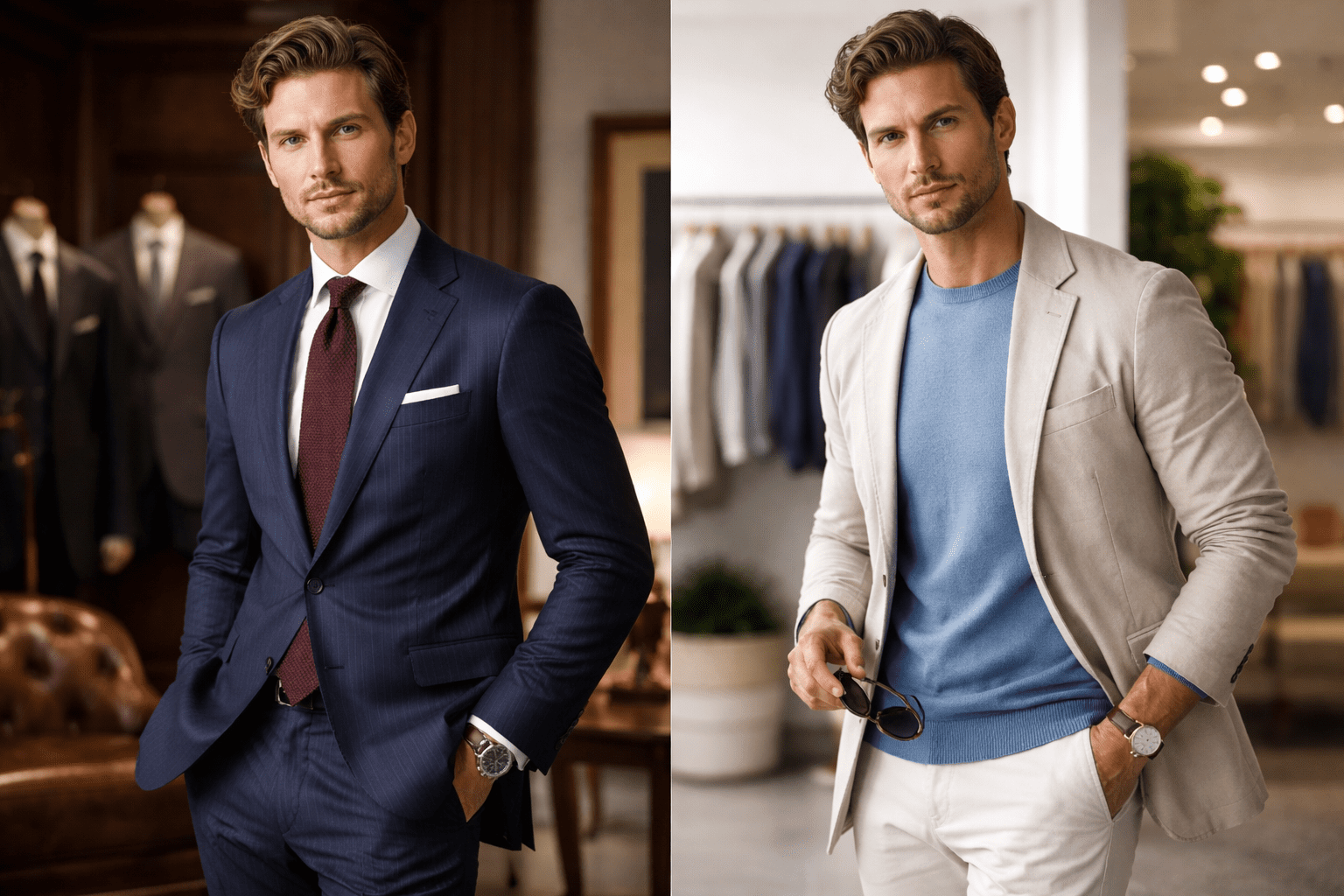
In the ever-evolving landscape of men’s fashion, one conversation never really goes away: the balance between classic and modern style. Some men lean toward timeless tailoring—sharp blazers, structured coats, and polished shoes—while others prefer a more relaxed, contemporary look built around comfort and versatility. The real art, however, lies in blending these two worlds seamlessly.
That’s exactly where Steven Alan has made his mark. Known for his understated approach and thoughtful design philosophy, he has built a reputation for taking the familiar elements of classic menswear and subtly reshaping them for the modern man. His work doesn’t shout for attention, but it resonates deeply with those who appreciate clothing that feels both relevant and enduring.
Understanding the Roots of Classic Menswear
To appreciate how modern designers reinterpret tradition, it helps to understand what “classic menswear” really means. At its core, classic style is about consistency. It’s grounded in garments that have stood the test of time—pieces that looked good fifty years ago and still look good today.
Think of structured tailoring, clean lines, and high-quality materials. Items like navy blazers, white Oxford shirts, wool trousers, and leather loafers form the backbone of this aesthetic. These clothes were designed with purpose: to fit well, last long, and convey a sense of quiet confidence.
There’s also a cultural aspect to classic menswear. It draws heavily from traditions like British tailoring, Ivy League style in the United States, and military uniforms. These influences emphasize discipline, refinement, and attention to detail. Even small elements—like the roll of a collar or the break of a trouser—carry meaning.
But while classic menswear is reliable, it can sometimes feel rigid. For many men today, especially those navigating more casual workplaces and lifestyles, strict formality no longer fits their day-to-day reality.
The Shift Toward Modern Menswear
Modern menswear emerged as a response to these changing needs. Over the past few decades, dress codes have relaxed significantly. Offices have become less formal, social norms have shifted, and personal expression has taken on greater importance.
As a result, modern style prioritizes comfort and adaptability. You’ll see softer fabrics, looser silhouettes, and a mix of casual and formal elements. A blazer might be worn with sneakers instead of dress shoes. Tailored trousers might feature an elastic waistband. Even the traditional suit has been reimagined with lighter construction and more breathable materials.
Another key aspect of modern menswear is versatility. Today’s consumer wants clothing that works across different settings—something that can transition from work to weekend without requiring a complete outfit change.
However, the move toward casualization has also created a challenge. Without the structure of traditional rules, it’s easy for style to become unfocused or overly trend-driven. This is where designers who understand both sides of the spectrum become especially valuable.
The Philosophy Behind Steven Alan’s Designs
Steven Alan stands out because he doesn’t see classic and modern as opposing forces. Instead, he treats them as complementary elements that can enhance each other when handled thoughtfully.
His approach is rooted in subtlety. Rather than dramatically reinventing garments, he makes small, intentional changes that shift how they feel and function. This might mean adjusting the cut of a shirt, softening the structure of a jacket, or choosing a fabric that drapes differently on the body.
One of his most well-known contributions—the reverse-seam button-down shirt—is a perfect example. At first glance, it looks like a traditional Oxford shirt. But the seams are constructed in a slightly unconventional way, creating a softer, more relaxed silhouette. It’s a minor detail, but it changes the entire character of the piece.
This kind of design thinking reflects a deeper philosophy: that modern style doesn’t require abandoning tradition. Instead, it’s about refining it.
Workwear Influence Meets Everyday Wear
Another defining feature of Steven Alan’s collections is his use of workwear as inspiration. Workwear has always been closely tied to function—clothing designed to withstand physical labor while providing comfort and durability.
By incorporating workwear elements into his designs, he brings a sense of authenticity and practicality to his collections. You’ll often see sturdy fabrics, utility pockets, and relaxed fits that echo traditional labor uniforms. But these elements are never presented in a purely rugged or utilitarian way.
Instead, they’re balanced with refined details and clean lines, making them suitable for everyday wear. A workwear-inspired jacket might be cut with a more tailored shape. A pair of trousers might retain durability while offering a softer, more comfortable feel.
This blend allows his clothing to feel grounded and real—something that resonates with modern consumers who value both style and substance.
Soft Tailoring: A Middle Ground
One of the most important ways Steven Alan bridges classic and modern menswear is through soft tailoring. Traditional tailoring often relies on structure—padding, lining, and precise construction that creates a sharp silhouette.
Soft tailoring, by contrast, removes some of that rigidity. Jackets are lighter, less structured, and more flexible. They move with the body rather than holding it in place. This makes them not only more comfortable but also more adaptable to different situations.
For example, a softly tailored blazer can be worn in a formal setting with dress trousers, or dressed down with denim and a T-shirt. This versatility is a hallmark of modern menswear, and it aligns perfectly with the needs of today’s lifestyle.
At the same time, soft tailoring retains the elegance and intention of classic design. It doesn’t feel sloppy or overly casual—it simply feels more natural.
The Role of Color and Fabric
Another subtle but important aspect of Steven Alan’s work is his use of color and fabric. Rather than relying on bold patterns or seasonal trends, he tends to focus on neutral tones and muted palettes—colors like navy, olive, gray, and off-white.
These choices reinforce the timeless quality of his designs. Neutral colors are easier to mix and match, which enhances versatility. They also age well, meaning the clothing remains relevant even as trends change.
Fabric selection is equally thoughtful. Natural materials like cotton, wool, and linen are often favored for their breathability and texture. These fabrics not only feel better to wear but also develop character over time, adding to the longevity of each piece.
Why This Balance Matters Today
The reason this blend of classic and modern menswear resonates so strongly today is simple: it reflects how men actually live. Most people no longer need a strictly formal wardrobe, but they still want to look put-together and intentional.
Designers like Steven Alan offer a solution by creating clothing that feels appropriate in multiple contexts. Their pieces don’t force the wearer into a specific identity—formal or casual—but instead allow for flexibility and personal expression.
This approach also encourages more mindful consumption. When clothing is versatile and timeless, it doesn’t need to be replaced as often. That’s not only practical but also more sustainable in the long run.
Final Thoughts
The conversation between classic and modern menswear isn’t about choosing one over the other. It’s about finding the right balance—honoring tradition while embracing change.
Steven Alan exemplifies this balance through his thoughtful, understated designs. By refining rather than reinventing, he shows that style doesn’t have to be loud or complicated to be impactful.
In a world where trends come and go quickly, this kind of approach feels especially relevant. It reminds us that the best clothing isn’t just about how it looks in the moment—it’s about how it fits into our lives over time.
And perhaps that’s the true essence of timeless style: not just enduring fashion, but clothing that evolves with the person wearing it.