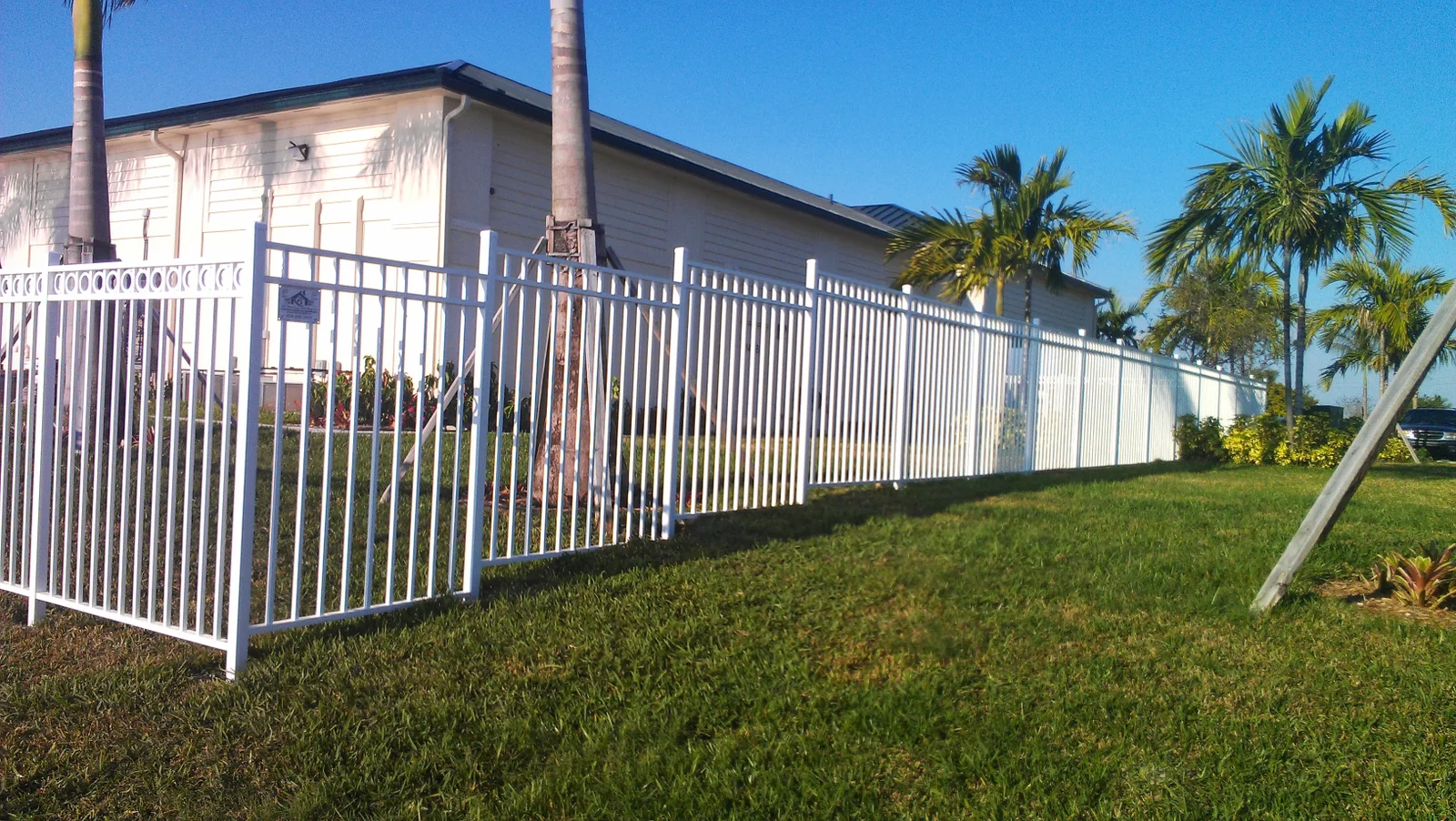
Aluminum fencing has become one of the strongest and most versatile options for property owners in Florida. It offers durability, weather resistance, and a stylish appearance that fits both residential and commercial settings. If you’re exploring aluminum fence options in South Florida, it helps to understand how the region’s climate affects fencing materials and installation methods.
Why Aluminum Fencing Is a Smart Choice for South Florida
South Florida’s weather conditions can be harsh on traditional fencing materials, but aluminum performs exceptionally well because:
It Resists Corrosion
High humidity and salt-rich air often cause steel or iron to rust quickly. Aluminum is naturally resistant to corrosion.
It Handles Strong Sun Exposure
Powder-coated aluminum holds its color and finish even in extreme heat.
It Is Lightweight but Strong
Despite being lightweight, aluminum tolerates impact and wind better than many wood or vinyl systems.
It Requires Minimal Maintenance
No staining, sealing, or repainting is necessary.
Installation Considerations Specific to South Florida
Installing aluminum fencing in this region requires attention to:
Wind Load Requirements
Hurricanes and strong coastal winds require deeper post-setting and reinforced mounting.
Soil Conditions
Sandy or loose soil often demands wider or deeper concrete footings.
Drainage Patterns
Heavy rainfall can lead to shifting soil unless posts are anchored properly.
Coastal Salt Exposure
Homes near the shoreline require corrosion-resistant fasteners and hardware.
Why Design Choices Matter
Aluminum fences come in various designs that suit different property needs:
- Flat top for clean, modern aesthetics
- Spear top for added security
- Two-rail or three-rail for visibility and durability
- Pool-safe styles that meet code requirements
Choosing the right style helps balance function and appearance.
Tips for Preparing for an Aluminum Fence Installation
Before installation, homeowners should:
- Remove nearby vegetation or debris
- Confirm property boundaries
- Identify areas requiring gates or access points
- Check HOA guidelines or design restrictions
- Consider landscaping that may affect fence placement
These steps contribute to a smooth installation process.
Conclusion
An aluminum fence in South Florida provides strength, aesthetic appeal, and long-term reliability—even in challenging weather conditions. When properly installed, aluminum fencing can secure your property while maintaining its appearance for years.
FAQs
1. Is aluminum fencing durable enough to withstand South Florida’s hurricanes?
Yes. High-quality aluminum fences are designed to meet South Florida’s strict wind-load requirements. When installed with deeper posts and reinforced anchoring, aluminum fencing can handle strong winds and storm conditions better than many wood or vinyl alternatives.
2. Will aluminum fencing rust due to the salty coastal air?
No. Aluminum is naturally resistant to corrosion, making it ideal for homes near the beach. Unlike iron or steel, aluminum does not rust, and powder-coated finishes add an extra layer of protection against salt exposure and humidity.
3. How long does an aluminum fence typically last in South Florida?
Most aluminum fences last 20–30 years or longer with minimal maintenance. The material resists fading, warping, rust, and termite damage, making it one of the longest-lasting fencing options for Florida’s climate.
4. Do I need a permit to install an aluminum fence in South Florida?
In many cases, yes. Most counties and cities in South Florida require a fence-installation permit. Homeowners may also need to follow HOA rules, pool safety codes, and specific height restrictions depending on the neighborhood