
Chemical Etching vs Laser Cutting: A Better Decision Framework for Thin Metal Parts

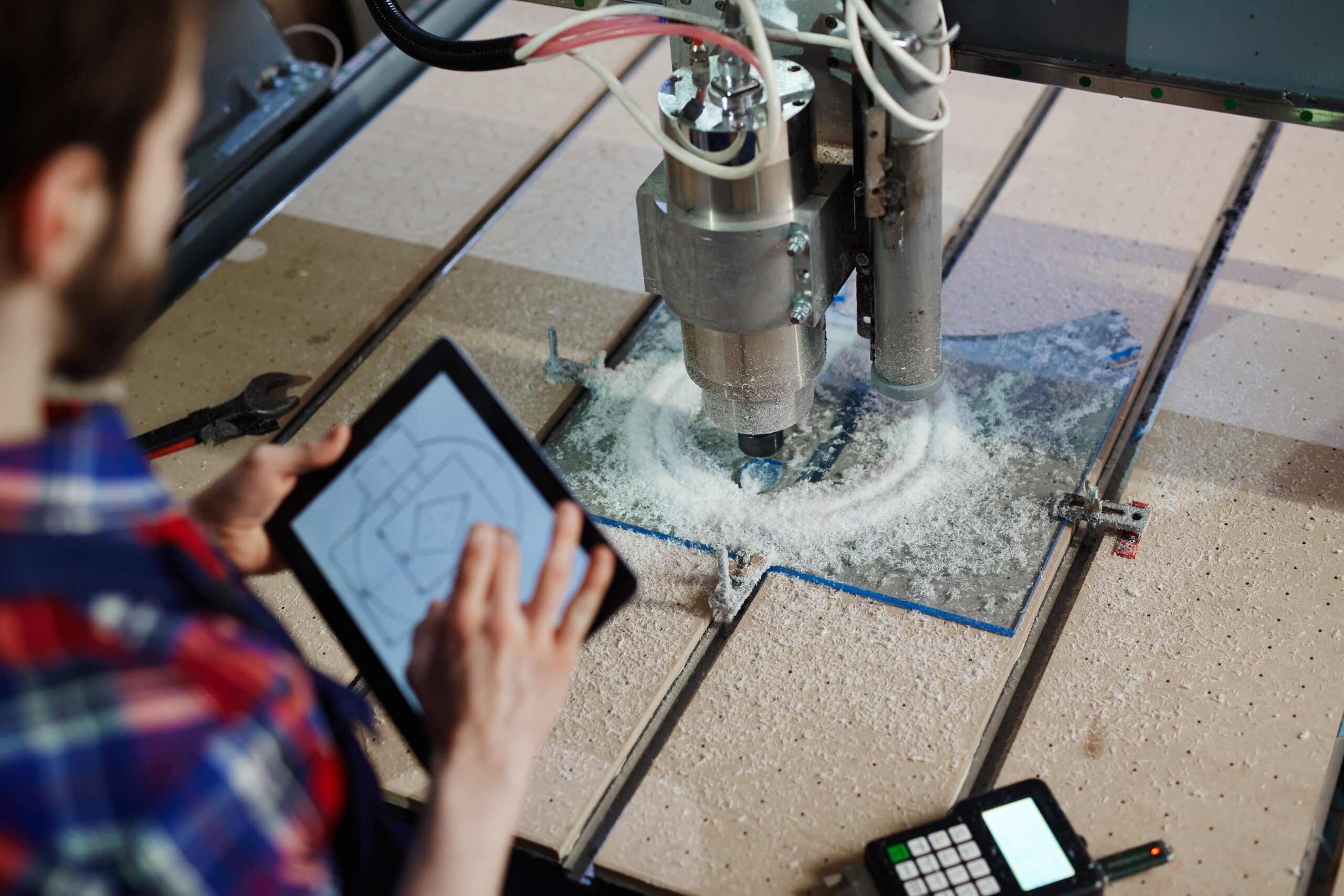
Thin metal parts often look simple in CAD. A flat profile, a pattern of slots, and a few tight features can appear easier to manufacture than a machined component. The real difficulty is choosing a process that preserves the geometry without introducing a new edge, heat, tooling, or handling problem.
Chemical etching and laser cutting both start from digital artwork, but they remove material in fundamentally different ways. That difference affects what designers can change, what buyers should quote, and what inspectors should measure. The best choice is not the process with the most impressive specification. It is the process whose physical effects match the function of the part.
Start With the Feature That Cannot Fail
Teams often begin with material and thickness because those fields are easy to place on a drawing. A stronger decision starts with the most sensitive feature. It may be a narrow web that must remain flat, a burr-sensitive opening near a cable, a fine filter pattern, or an outside profile that must mate with a molded housing.
Rank the critical requirements before requesting a quote:
- Feature density and minimum web strength
- Edge condition and tolerance for burrs
- Flatness and sensitivity to local heat
- Hole-to-hole or pattern registration
- Surface appearance and marking requirements
- Prototype quantity and expected design changes
- Inspection method for the functional dimensions
This order prevents a common mistake: selecting a process around the easiest dimension while leaving the critical feature to chance.
Where Chemical Etching Changes the Design Conversation
Chemical etching uses patterned resist to protect selected areas while exposed metal is removed chemically. Because the process does not rely on a cutting tool contacting the sheet, it can be useful for dense arrays, delicate geometries, and components where mechanical cutting forces would complicate handling. Designers considering chemical etching for thin precision components should evaluate the complete pattern, not one isolated hole.
Chemical etching also changes the economics of iteration. Updating digital artwork can be more adaptable than modifying hard tooling, which is valuable during development or for families of similar parts. That advantage only matters when revision control is disciplined. A supplier should receive a released drawing, a clearly identified artwork version, and an inspection plan tied to the same revision.
Where Laser Cutting Is the More Direct Route
Laser cutting follows a programmed toolpath and removes material with concentrated heat. It is widely useful for profiles, brackets, panels, and other sheet parts that may continue into bending, welding, or finishing. It can be especially practical when the design includes varied outside shapes and the production route needs a fast transition from CAD to a physical blank.
For buyers reviewing laser-cutting design considerations, the decision should include what happens after cutting. A flat blank may be only the first operation. Bend datums, weld access, coating coverage, and assembly interfaces can matter more than the speed of the cut itself.
Compare the Whole Manufacturing Route
Geometry
Chemical etching can be attractive for intricate, repeated patterns and fragile features spread across thin stock. Laser cutting is often a direct choice for distinct profiles and sheet components that will be formed or assembled. Ask which process gives the critical feature a stable manufacturing window.
Edge and surface requirements
Define what “clean edge” means for the application. Electrical contacts, fluid screens, decorative parts, and structural brackets do not share the same acceptance criteria. Specify whether the concern is a sharp projection, a recast area, discoloration, surface protection, or a measurable edge radius.
Downstream operations
Consider bending, plating, coating, welding, adhesive bonding, or insert installation before selecting the blank-making process. A process that produces the lowest blank price can still increase total cost if it makes finishing or assembly less predictable.
Inspection
Dense patterns may require optical measurement or a functional gauge. Large profiles may be easier to verify with conventional dimensional methods. The inspection method should be agreed before production so that the supplier and buyer interpret the drawing the same way.
Build a Quote Package That Exposes Risk Early
A good request for quotation includes more than a neutral CAD file. Supply a controlled drawing with material, thickness, finish, critical dimensions, and any prohibited edge conditions. Identify the expected annual volume, but separate the first order from a theoretical future forecast.
Add a short note explaining the part’s function. A supplier can make better DFM recommendations when it knows that a slot guides a spring, an opening filters particles, or a surface will be bonded. Functional context helps distinguish essential requirements from inherited dimensions.
Request process-specific feedback rather than a generic “manufacturability check.” Ask which features drive risk, what artwork or tool compensation is expected, how flatness will be protected, and which dimensions should be verified on the first article.
Conclusion
Chemical etching and laser cutting are complementary digital manufacturing routes, not interchangeable ways to remove metal. Choose by the feature that cannot fail, then compare edge effects, change frequency, downstream operations, and inspection. Before releasing an order, ask the supplier to review the complete drawing and identify the few features that define process capability.
FAQ
Is chemical etching only suitable for prototypes?
No. It can support both development and production when the material, geometry, controls, and economics fit. Volume alone does not determine suitability.
Does laser cutting always leave a heat-affected edge?
Laser cutting uses heat, but the functional importance of the affected region depends on the material, parameters, geometry, and part requirements. Define the acceptance condition instead of assuming it is irrelevant or unacceptable.
Which process is better for many small openings?
Chemical etching may be attractive for dense patterns, but thickness, web geometry, tolerances, and inspection method still matter. The full pattern should be reviewed as a system.
What files should accompany a quote?
Provide a controlled drawing, usable CAD or artwork data, material and thickness, finish requirements, quantities, and notes identifying critical features and downstream operations.
Can the two processes be compared on piece price alone?
No. Include artwork or setup, inspection, secondary operations, revision risk, yield, and the cost of handling nonconforming parts.







Comment