
Car-Lite Living in Singapore: Choosing a Home Around Your Feet, the Bus and the Train

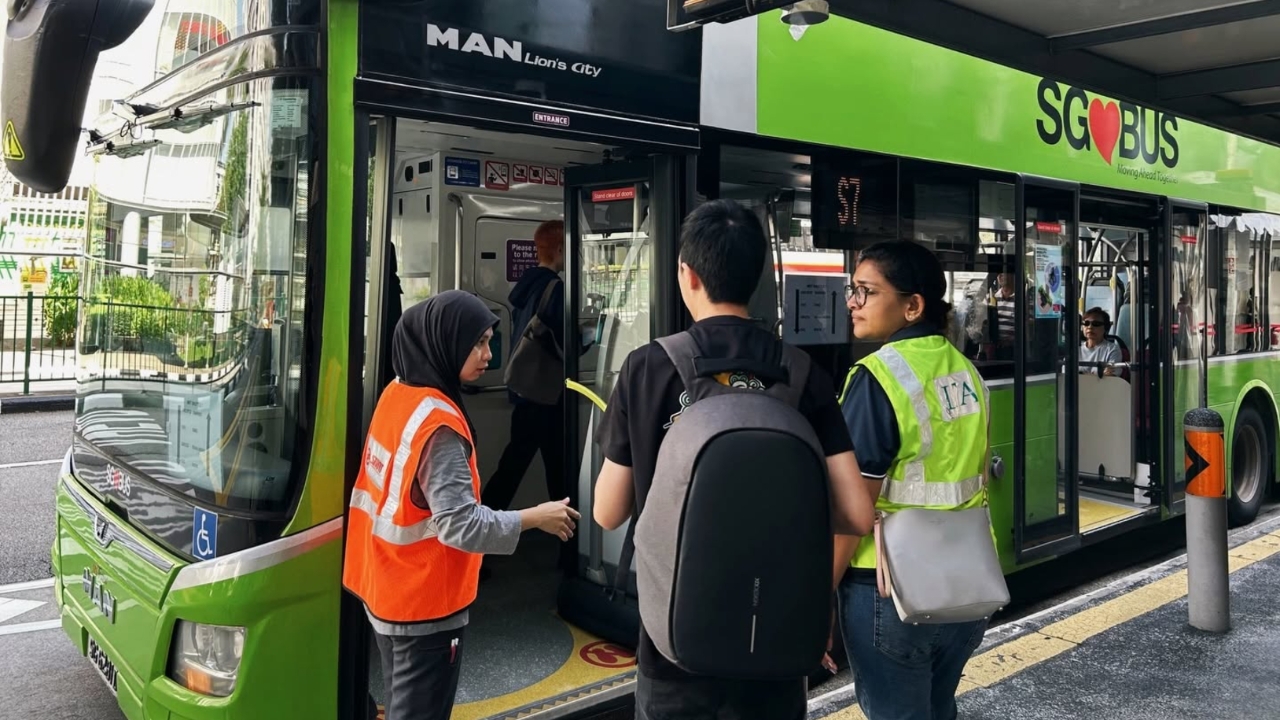
Ask a friend how long it takes to reach their office and they will usually quote the time on the train. Ask them how long the whole journey takes, from their front door to their desk, and the number grows. There is the lift, the walk to the station, the wait on the platform, the transfer, the walk at the other end. Anyone who lives without a car learns quickly that the real commute is made of small pieces, and that the quality of each piece depends on where the home sits.
More households here are choosing to live car-lite, using a car occasionally or not at all. Whether that suits you depends less on willpower than on the home you choose. This guide looks at the practical details that make car-free or car-light living easy, or frustrating.
Count the Whole Journey, Not Just the Ride
A useful habit is to break any route into stages. Walk from the building to the nearest bus stop or station. Wait. Ride. Transfer if needed. Walk again. Each stage has its own friction.
The walking stages deserve the most attention because they happen twice a day, every day. Is the path sheltered? Are there steps or long detours around fences? How many road crossings are there, and how long do you wait at each? A route that takes eight minutes in dry weather and fifteen in a downpour is a different route.
Test it yourself. Do the journey at the hour you would normally travel, carrying whatever you would normally carry. If you commute with a laptop bag and an umbrella, try it with both.
The First and Last Few Hundred Metres
Transport planners sometimes call this the last-mile problem, though in practice it is often just a few hundred metres. A home near a station on a map may still be awkward to reach if the entrance is on the wrong side of a busy road, or if the nearest sheltered path ends well before the building.
When you visit a development, ignore the car park and use the pedestrian exits. Watch where residents actually walk. Notice whether there are shortcuts, benches, lighting for the evening and clear signage. A pleasant approach makes the walk feel shorter, while a hostile one makes even a brief trip feel like a chore.
Readers exploring newer residential options, such as the Lentor Signature Showflat, can apply this approach to any address on a shortlist: look at official maps for nearby stations and stops, then walk the routes yourself at different times of day, noting shelter, crossings and lighting. Distances and connections should always be confirmed through official sources rather than assumed.
Everyday Errands Without a Boot
The commute is only part of life without a car. Groceries, pharmacy runs, bulky purchases and school drop-offs all need handling too.
For small, frequent shopping, a supermarket within a comfortable walk is a huge advantage. For larger shops, think about how you would carry heavy bags. A trolley, a delivery service or a bus route that stops near the entrance can make this manageable. Households that rely on online grocery delivery should check that the building is easy for couriers to access, with somewhere sheltered to receive parcels.
Bulky items are the real test. A new bookcase, a large appliance or a trip to a hardware store may be easier with a rented vehicle or a delivery arrangement. That is fine, and it is usually cheaper than owning a car year-round, but it helps to know in advance how you would handle it.
Evenings, Weekends and Odd Hours
Public transport that works well at 8 a.m. may feel less convenient at 11 p.m. or on a Sunday afternoon. If you often return late, check how services run at those hours and how the walk from the stop feels in the dark.
Weekends bring their own patterns. Visiting family across the island, meeting friends in a different district or heading to a favourite weekend spot may involve transfers or longer waits. Count those trips in your planning. A home that is brilliant for weekday commuting but awkward for weekend routines may leave you reaching for a ride-hailing app more often than expected.
Ride-hailing and taxis are part of the toolkit too. Check how easy it is for a vehicle to reach the building, where pick-up points are and whether the surrounding roads tend to be congested at peak times. These small details shape how smooth a spontaneous trip feels.
Cycling, Walking and Everything In Between
Car-lite living is not only about buses and trains. Many people walk or cycle for short trips, and the neighbourhood can make that easy or difficult. Look for continuous pavements, safe crossings, cycling paths, park connectors and secure bicycle parking.
A simple test: imagine riding or walking to the place you visit most for coffee, groceries or exercise. Does the route feel safe and pleasant? Would you let a teenager or older relative do it alone? A neighbourhood that supports these short, active journeys tends to feel more connected even without a car.
Homes close to the water or large open spaces, such as those near the area associated with the Tanjong Rhu Residences Showflat, may offer pleasant routes for walking and cycling, though it is worth checking on the ground how continuous and accessible those routes actually are. Marketing descriptions and maps are a starting point, but only a visit shows whether a path feels welcoming.
Households With Different Needs
A car-lite lifestyle looks different depending on who lives in the home.
Young professionals may find it easy, especially if work, friends and favourite places are close to major transport lines.
Families with young children often need more flexibility. Strollers, car seats, school bags and sudden illnesses all make a car feel useful, even if it is only occasionally needed. Think about how you would manage a late-night trip to a clinic or a rainy day with a toddler.
Older residents may prioritise easy, sheltered access to transport and nearby clinics over distance to the city.
Remote workers may have fewer daily trips but more reliance on neighbourhood facilities, which makes walkability even more significant.
There is no right answer, but being honest about your household’s pattern helps you choose a home that supports it.
When a Car Still Makes Sense
Living car-lite does not have to mean living car-free forever. Some households find that renting or sharing a vehicle for occasional needs works well. Others decide to keep a car because of work, family responsibilities or personal preference.
If you do own a car, treat parking, access roads and the cost of upkeep as part of the decision. A development with easy vehicle access may be useful even for households that mainly use public transport. The main point is to avoid assuming that a car is either essential or unnecessary before you have looked at how you really travel.
A Week-Long Test Before You Commit
Before settling on a home, try living there on paper for a week. Plan each day’s journeys from the address you are considering: work, groceries, exercise, social plans, family visits. Check the real transport options and times for each.
Then add the unexpected. What if it rains? What if you must carry something heavy? What if you return after midnight? If the answers still feel manageable, you have a home that suits car-lite living. If they leave you anxious, that is useful information too, and far better discovered before the move than after.
A Final Thought on Time
In the end, car-lite living is about time and energy more than money. Every small piece of a journey that works smoothly gives a little of both back to you. A home chosen with the whole route in mind, from the front door to the destination and back again, tends to repay that care every single day.







Comment