Defense Infrastructure & Engineering
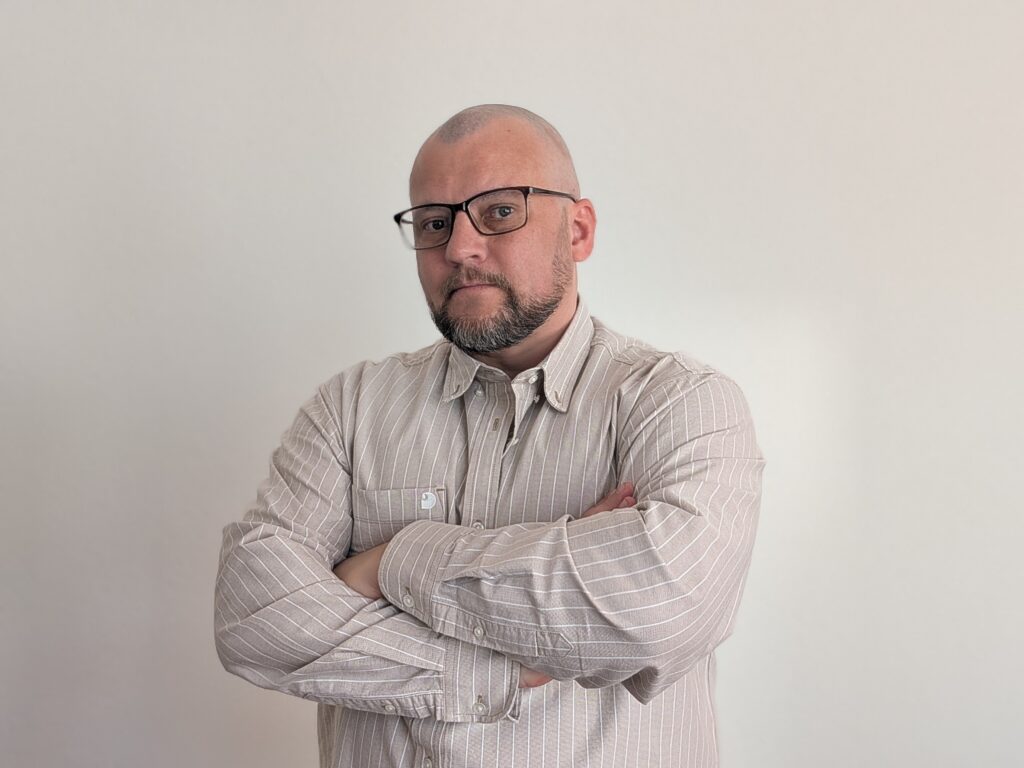
In an era defined by increasingly sophisticated surveillance threats including electromagnetic interception, acoustic monitoring, and signal intelligence physical infrastructure has become a critical frontline in national security. Among the specialists operating in this highly restricted domain is Yevhen Kidyaykin, a Germany-based construction expert whose work focuses on the development of Sensitive Compartmented Information Facilities (SCIFs) across Europe.
SCIFs are among the most secure environments used by government and defense agencies to safeguard classified information. Their construction requires a combination of structural engineering, acoustic isolation, and electromagnetic shielding, executed under strict compliance protocols. Due to the sensitive nature of such facilities, the field remains largely opaque, with limited public visibility into the individuals and firms involved.
Kidyaykin, founder and CEO of Wiesbaden-based EKid, has emerged as a contractor working within this niche segment, contributing to projects supporting U.S. defense infrastructure in Europe. With more than two decades of hands-on experience in construction, his work reflects a transition from traditional building practices to highly specialized secure facility development.
From Conventional Construction to High-Security Infrastructure
Kidyaykin’s professional background began in conventional construction, where he developed practical expertise in material behavior, structural dynamics, and building performance. Industry observers note that such foundational knowledge is particularly relevant in SCIF construction, where minor deviations in installation sometimes at the millimeter level can compromise the integrity of an entire secure environment.
Since entering the SCIF domain in 2019, Kidyaykin has focused on adapting existing European structures to meet U.S. security specifications. This process often involves overcoming challenges associated with older buildings, including non-standard materials, irregular layouts, and legacy construction techniques that differ significantly from modern U.S. design assumptions.
Professionals familiar with defense construction projects indicate that this ability to reconcile differing construction standards is a critical factor in project execution. “Retrofitting secure facilities into existing structures requires both technical precision and practical experience,” notes one industry engineer involved in European defense infrastructure projects. “It is not purely a design problem it is an execution challenge.”
Operating in a Low-Visibility, High-Accountability Sector
Unlike traditional construction sectors, SCIF development operates under strict confidentiality. Project documentation is restricted, and contractors are typically unable to publicly showcase their work. As a result, reputation within the field is often built through internal networks, compliance records, and performance consistency rather than public portfolios.
Kidyaykin’s firm, EKid, maintains a deliberately small operational structure. According to individuals familiar with the company’s work, this model allows for direct oversight of installations and reduces variability in execution an important consideration in projects where compliance standards leave no margin for error.
Inspection protocols for secure facilities are rigorous, often requiring validation across multiple technical domains, including acoustic isolation and electromagnetic containment. Contractors who consistently meet these requirements are typically retained for future projects within the same network.
Bridging European Structures and U.S. Security Standards
A key technical challenge in SCIF construction in Europe lies in aligning U.S. security requirements with the realities of European architecture. Many facilities are located in buildings that were not originally designed for high-security use, requiring customized engineering solutions.
Kidyaykin’s work has involved adapting such structures to meet these standards, incorporating RF shielding systems, specialized materials, and precision installation techniques. Industry specialists note that successful implementation depends not only on design specifications but also on execution quality at every stage of construction.
“Even advanced materials can fail if not installed correctly,” says a project consultant familiar with secure facility construction. “The human factor remains central.”
Workforce Development and Technical Execution
Given the complexity of SCIF construction, workforce training plays a significant role in project outcomes. Rather than relying extensively on subcontracting a common practice in construction EKid operates with a core team trained directly in secure installation techniques.
This approach reflects broader trends within specialized construction sectors, where consistency and technical accuracy are prioritized over scale. Analysts suggest that such models may become more common as demand for secure infrastructure continues to grow.
Growing Demand for Secure Infrastructure
The demand for SCIFs and similar secure environments has increased in recent years, driven by evolving geopolitical conditions and advancements in surveillance technologies. Governments and defense organizations are investing in both new construction and upgrades to existing facilities.
Experts in the field indicate that future development will likely require greater integration of multiple disciplines, including structural engineering, acoustic science, and electromagnetic theory. As threats evolve, secure construction is expected to become an increasingly specialized area within the broader engineering landscape.
Kidyaykin’s work reflects this shift toward interdisciplinary expertise. While much of the field remains confidential, the technical challenges involved highlight the growing importance of specialists capable of operating at the intersection of construction and security.
About Yevhen Kidyaykin
Yevhen Kidyaykin is a construction specialist and founder of EKid, a Germany-based firm focused on secure infrastructure projects. With over 20 years of experience, his work includes the development and adaptation of facilities designed to meet high-security standards for government and defense applications.