
Building Reliable Electronics: From SMT Reflow to Waterproof Cables

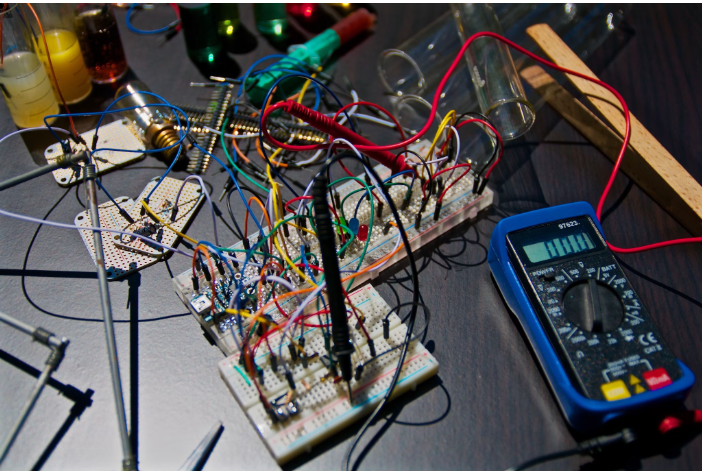
A hand-built outdoor sensor may connect to an app, log readings all week, and survive a splash from a watering can. Before shipping a production batch, you need to check that the assembly process can produce consistent units.
Hemargroup describes a pilot, or 0-series, build as the step that validates the route to production, using as far as possible the intended materials, assembly process, programming method, test equipment, and documentation. This gives you a chance to check how the product will be made and tested before approving a larger run.
Check the Board Assembly Process
Surface-mount technology, or SMT, places components on the surface of a circuit board using solder paste. Reflow is the controlled heating step that melts the solder in the paste to attach each part. The board passes through heating and cooling zones, and its temperature over time is called a reflow profile.
There is no single correct profile for every board. In its hermetic-package assembly guidance, Texas Instruments recommends starting with the flux manufacturer’s profile. Its quality guidance also directs users to device-specific information for moisture sensitivity and peak reflow temperature. Follow the relevant material guidance and component limits, then have the assembler validate the profile on your board. Package-specific temperature settings should not become a universal recipe.
Ask how the heating process is checked. You don’t need to operate the oven, but you should know how the assembler checked the profile for your assembly. Ask which solder-paste and flux guidance they followed, which components constrain the temperature, and what record shows the profile used for your build. Confirm whether those records are included in the service.
Match equipment to the project. For a first run, outsourcing to a contract manufacturer lets you use an existing assembly line. If you are planning an in-house line, an SMT reflow oven is one part of the setup. SZWIT supplies turnkey SMT lines that also cover solder paste printing, inline inspection, and PCB loaders, unloaders, and conveyors, so its process stages give a useful map of what a complete line needs. Confirm the configuration for your board before ordering. In electronics manufacturing for startups, request process records whether you outsource assembly or run the line yourself.
Specify the Whole Connection for Wet Conditions
The sensor’s cable must pass through its housing and connect to equipment outside it. The cable, connector, and housing entry all need to meet the product’s water-protection requirements.
Describe the actual exposure. Splashes, temporary immersion, repeated bending, and long-term outdoor use create different requirements. IP codes describe protection against solids and water. As EDAC explains, the first numeral covers solids and the second covers water. IP67 means dust-tight protection and protection against temporary immersion. It does not cover every kind of water exposure, and a connector’s rating does not establish the rating of the finished device. The housing and cable entry also need to be assessed.
Check the assembled condition. Protection claims have conditions. TE’s immersion statement for its HDP20 connectors applies to properly wired and mated connections. Its NTSEAL accessory guidance also tells buyers to check the specific part documentation against their system requirements.
Binder’s September 2026 announcement of angled M12 PCB connectors specifies IP68 protection when mated and locked. It also identifies a through-hole reflow version that can pass through the reflow soldering process. This connects connector selection to board assembly: confirm both the installation conditions behind the protection rating and the soldering method allowed for the exact part.
Put the requirements in writing. Before requesting a quote, send the cable supplier the expected exposure, the mating condition, the cable and connector specifications with part numbers, and the installation requirements at the housing. State whether connections will remain locked or need protection when unplugged. Ask what test evidence applies to that exact assembly.
When discussing a project with a prospective water proof cable manufacturer , request the assembly specification and the test conditions behind any water-protection claim. BMA Technologies, for example, tests for IP67 and IP68 compliance in house and offers custom waterproof cable molding, which helps when the cable has to fit a specific housing entry. Ask for the test report that covers your exact assembly.
Use a Pilot Batch to Check Repeatability
A pilot batch is a small run built with the process, parts, and instructions you intend to use for production. It tests whether those elements work together consistently.
Give the supplier a clear handoff. MakerPCB’s startup handoff table lists board manufacturing files, a parts list with manufacturer part numbers, and a test plan with acceptance criteria. The manufacturing files tell the factory how to make the bare board. Add a revision label so everyone knows which version is being built. Write the pass-or-fail checks in plain language. For the sensor, these might cover powering on, connecting to the app, and reporting a reading within an agreed range.
Ask whether the quote includes a review of your board design and parts list. Circuits Central, for example, lists these reviews and first-article inspection among its startup services. A first-article inspection checks an initial production unit against the agreed requirements. Confirm when it happens and whether you can review the findings before the remaining units are assembled. Services differ between assemblers.
Agree on the approval records. A pilot-batch checklist could include an approved first unit, written inspection findings, a functional test record for every unit, and written approval before any part substitution. This is a proposed checklist, not an industry standard. Agree on its scope with the assembler before work begins.
Substitutions deserve attention. The Global Electronics Association’s August 2026 survey found that 64% of respondents reported limited availability or extended lead times for components and materials. Confirm availability before approving the build and agree on how proposed substitutions will be reviewed.
If the product uses a custom cable assembly, include the specified production cable in the pilot run and test the sensor as a complete unit. Whether a contract assembler runs the line or you run it in house, use the pilot results to decide whether the process is ready for a larger batch.
Before your next supplier call, put the requirements and acceptance checklist on one page, and confirm your production files match the revision being built. Include the expected exposure, part numbers, revision, pass-or-fail tests, and records you expect back. This gives suppliers a defined scope to quote.
Conclusion
A reliable first run connects three checks: a validated board process, a cable assembly tested in its installed condition, and a repeatable pilot. Document each decision before scaling.
FAQs
What should a supplier receive before quoting?
Provide the board manufacturing files, a parts list with manufacturer part numbers, the revision being built, and a test plan with pass-or-fail criteria. Include the cable specification and expected exposure if the quote covers the complete product.
Does a working sample mean a product is ready to ship?
A working sample demonstrates the design. A pilot build checks the production route, using the intended materials, assembly process, programming method, test equipment, and documentation. Review those results before approving a larger run.
Is a tougher enclosure enough for wet conditions?
The cable entry and connector also need assessment. Check the exact part’s protection rating, its installation requirements, and whether the rating requires a mated, locked, or capped connection. Test the complete assembly under the agreed conditions.
When should a team increase its order size?
Agree on acceptance criteria before the pilot run. Before increasing the order, review inspection and test records and document how any failures were corrected.







Comment