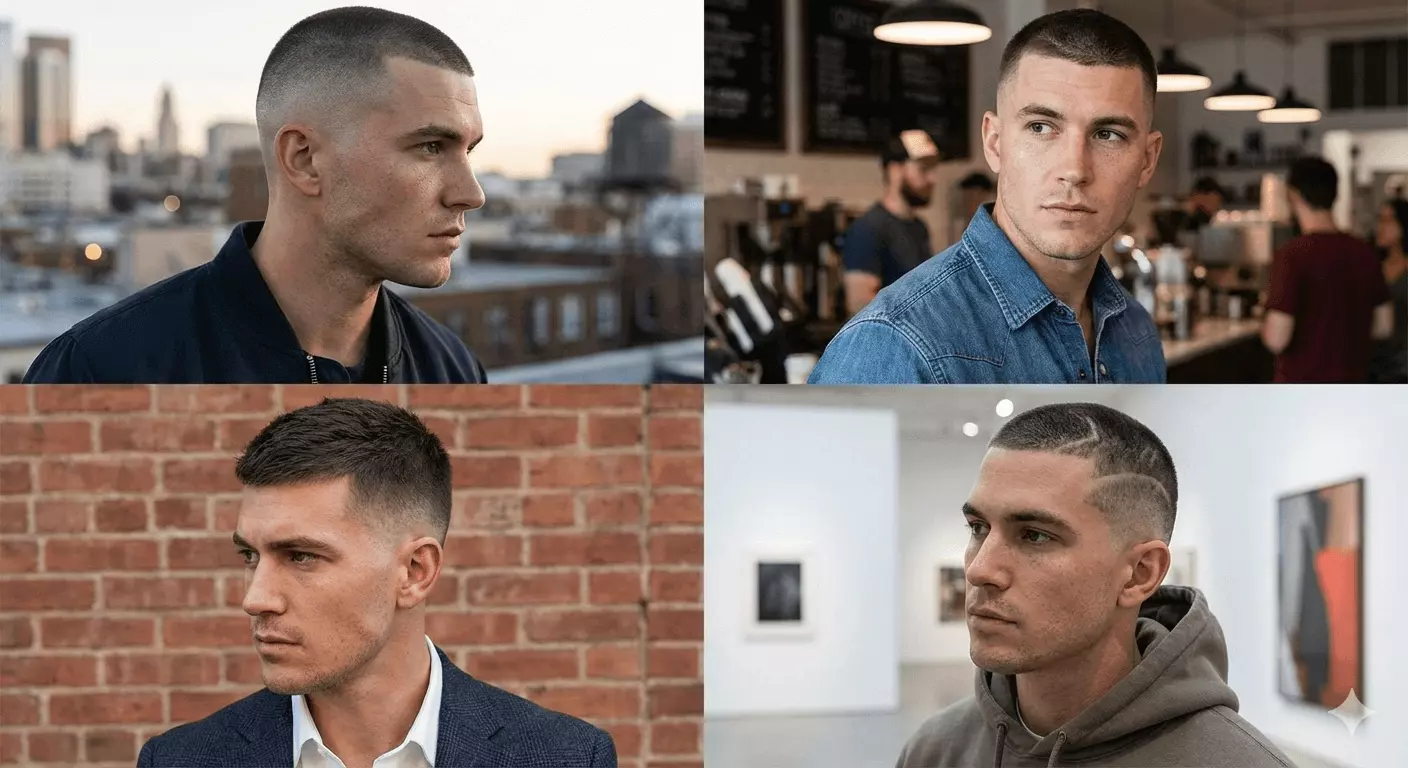
In a beauty culture that shifts by the season, two hairstyles continue to resurface in fresh, modern ways: the bob cut and the buzz cut. At first glance, they seem like opposites—one sculpted and softly structured, the other sharp and ultra-minimal. Yet both have become go-to choices for people seeking clarity, confidence, and control over their personal image.
Rather than following trends blindly, more users today are exploring digital previews and consultation tools before making dramatic changes. Searches for tools like the right ai bob cut and right ai buzz cut suggest that people want to visualize results before committing to scissors or clippers. This shift reflects a broader industry direction: personalization over impulse.
Let’s explore how these two iconic styles compare—not just aesthetically, but practically.
The Modern Bob: Precision with Personality
The bob cut has evolved far beyond its classic chin-length origins. Today, it spans multiple variations:
- Blunt bob
- Layered bob
- Textured bob
- Asymmetrical bob
- Micro bob
- Long bob (lob)
Who Is the Bob For?
Some stylists suggest that around 50–70% of clients who want a noticeable change without going extremely short gravitate toward a bob. It’s often chosen by professionals, creatives, and individuals looking for structure without losing versatility.
Face Shape Considerations
- Round faces:A slightly longer bob that falls below the chin can create elongation.
- Square faces:Soft layers or textured ends may reduce angular emphasis.
- Oval faces:Most bob styles work well due to balanced proportions.
- Heart-shaped faces:A side part or subtle layering can soften a wider forehead.
The key is not the length alone but how the cut interacts with jawline placement and natural hair movement.
Hair Texture and Density
Bobs respond differently depending on texture:
- Fine hair:A blunt bob can create the illusion of fullness.
- Thick hair:Strategic layering helps prevent a triangular silhouette.
- Wavy or curly hair:A dry cut technique often improves shape accuracy.
- Straight hair:Precision cutting enhances sharp lines.
Many users report that a bob reduces styling time by an estimated 20–40% compared to longer hair, though this depends heavily on texture and personal routine.
The Buzz Cut: Minimalism as a Statement
The buzz cut strips everything back to essentials. While often associated with rebellion or practicality, it has increasingly become a fashion-forward choice across genders.
Why People Choose a Buzz Cut
Industry observations suggest that 30–50% of buzz cut adopters cite “low maintenance” as the primary reason. Others describe it as liberating—a reset after years of heat styling or chemical processing.
It appeals to:
- Individuals seeking simplicity
- People transitioning between hair phases
- Those wanting to highlight facial features
- Fashion-forward personalities embracing bold minimalism
Unlike the bob, which frames the face, the buzz cut reveals it entirely.
Face Shape Strategy
Because there’s minimal hair to contour the face, bone structure becomes central.
- Oval faces:Typically adapt easily.
- Strong jawlines:The buzz emphasizes definition.
- Round faces:Slightly longer guard lengths can add subtle dimension.
- High foreheads:Some opt for a soft fade rather than uniform clipping.
Users exploring the right ai buzz cut often compare different clipper guard lengths before committing, since even small variations can significantly alter perception.
Occasion-Based Styling: When Each Works Best
Professional Settings
A structured bob often aligns well with traditional corporate environments. Its polish signals intentional grooming.
A buzz cut, while increasingly accepted, may still read as bold depending on workplace culture.
Creative Industries
Both styles perform well here. The buzz cut may project confidence and individuality, while textured bobs can feel editorial.
Formal Events
A bob allows for styling variation—sleek, curled, pinned. A buzz cut pairs strongly with statement makeup or accessories.
Active Lifestyles
Many athletes and travelers prefer buzz cuts for practicality. However, a well-cut bob can also be easy to manage with minimal tools.
Maintenance Reality Check
Bob Maintenance
- Trim frequency: Often every few weeks to maintain shape.
- Styling tools: Blow dryer, round brush, flat iron (depending on texture).
- Product use: Light styling creams, volumizers, or smoothing serums.
Maintenance intensity varies by cut precision. A blunt bob demands more frequent reshaping than a layered one.
Buzz Cut Maintenance
- Trim frequency: Often more frequent than expected—sometimes every few weeks to maintain crispness.
- Tools: Clippers or salon visits.
- Product use: Minimal, though scalp care becomes important.
One surprising observation: although buzz cuts seem maintenance-free, upkeep consistency often determines whether the style looks intentional or overgrown.
Comparing Visual Impact
When choosing between a bob and a buzz, consider three core questions:
- Do you want to frame your face—or reveal it?
- Are you comfortable with regular trims?
- Is versatility important to you?
A bob offers shape adaptability. You can tuck it, part it differently, curl it, or straighten it. A buzz cut is less flexible but makes a stronger immediate statement.
In user feedback discussions, many say they previewed both styles digitally before choosing. Tools such as the right ai bob cut feature allow subtle experimentation with length, layers, and parting direction. This kind of visualization helps reduce uncertainty.
How to Show Your Hairstylist What You Want
Clear communication often prevents disappointment. Consider asking:
- Where will the weight line sit?
- Will layers be internal or external?
- How will my natural texture affect the shape?
- How often will I need trims?
- What styling routine should I expect?
- If I regret it, how long might it take to transition?
For buzz cuts, ask specifically:
- What guard length are you using?
- Will you incorporate a fade?
- How will my hairline affect the final look?
- How will regrowth appear over time?
Bringing visual references helps, but describing lifestyle expectations may matter even more.
Age and Image Perception
Interestingly, bob cuts are often perceived as adaptable across age groups. A sleek blunt bob might feel contemporary, while a layered bob can feel soft and classic.
Buzz cuts sometimes challenge age expectations. Younger audiences may view them as edgy, while older adopters often describe them as empowering and freeing.
Surveys and social discussions suggest that around 40–60% of people who switch to shorter styles report increased confidence, though individual experience varies widely.
Hair Health and Practical Considerations
While shorter styles reduce exposure to heat styling for many people, it’s important not to assume that any cut alone changes hair condition dramatically. Product choice, washing habits, and environmental exposure still matter.
Buzz cuts reduce styling stress, while bobs can encourage better trimming habits. Neither guarantees improvement or solves underlying concerns. Good scalp hygiene and gentle handling remain foundational regardless of length.
Digital Try-Ons and Data Awareness
As AI-based visualization tools become more common, users are encouraged to check upload requirements and privacy policies. Many platforms request clear frontal photos with neutral lighting and minimal obstructions.
Basic best practices include:
- Avoid uploading overly filtered images.
- Review data usage policies.
- Use platforms that explain retention guidelines.
- Delete unused images when possible.
Brands like RightHair have integrated visualization systems designed to simulate realistic lighting and texture responses, helping users preview both structured and ultra-short styles before booking appointments.
Final Thought: Which One Is Right?
The bob cut refines.
The buzz cut reveals.
One frames the face with intention; the other strips it back to confidence.
If you want versatility, texture play, and adaptable styling, the bob offers creative range. If you prefer minimal effort, bold clarity, and strong facial emphasis, the buzz cut delivers impact.
Neither is universally “better.” The real question is how you want to feel when you look in the mirror—structured or streamlined, sculpted or stripped down.
Sometimes the best haircut isn’t the trendiest. It’s the one that aligns with your daily rhythm, your comfort level, and your self-expression.
And in an era where previewing options is easier than ever, choosing thoughtfully may be the most stylish move of all.