
Best Practices for Implementing Badminton Booking Software

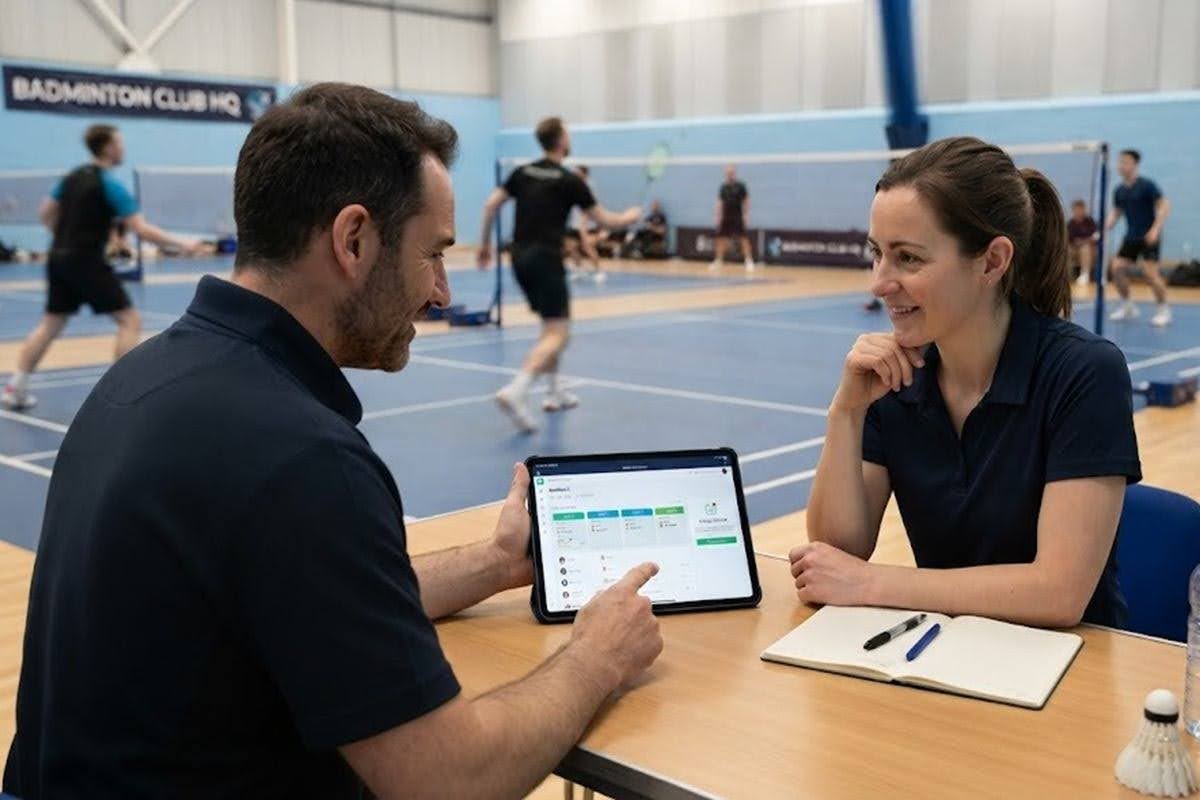
Badminton facilities are becoming increasingly dependent on digital tools to manage court reservations, customer information, payments, and scheduling. As the number of players grows, manual booking processes often become difficult to handle and can lead to errors, double bookings, and customer dissatisfaction. Implementing badminton booking software helps streamline operations and improve the overall experience for both administrators and players.
However, simply purchasing software is not enough to guarantee success. Facilities must follow a strategic implementation process to ensure that the system delivers maximum value. From understanding operational requirements to training staff and monitoring performance, every step plays an important role in achieving a smooth transition and long-term efficiency.
Assess Your Facility Needs
Before selecting and implementing any booking system, it is essential to evaluate the specific needs of your badminton facility. Every venue operates differently, and understanding current challenges helps identify the features that will provide the most benefit.
Start by analyzing existing booking procedures, customer expectations, and administrative workflows. Consider factors such as the number of courts, peak booking hours, membership programs, payment methods, and reporting requirements. A clear assessment helps prevent investing in software that lacks critical functionality or includes unnecessary features.
Choose the Right Software
Selecting the right software is one of the most important decisions during implementation. The chosen platform should align with both current operational requirements and future growth plans. A reliable badminton booking software solution should offer the flexibility needed to support different facility sizes and operational models.
When evaluating software options, look for:
- Online booking capabilities
- Mobile accessibility
- Secure payment integration
- Automated notifications
- Membership management
- Reporting and analytics tools
- User-friendly interface
- Scalability for future expansion
Comparing multiple solutions and requesting demonstrations can help management teams make informed decisions. A well-matched system reduces implementation challenges and increases long-term satisfaction.
Plan the Implementation Process
A structured implementation plan minimizes disruption and ensures a smoother transition from existing systems. Facilities should avoid rushing the process, as inadequate planning often leads to confusion and operational issues.
Develop a timeline that includes software installation, data migration, staff training, testing, and launch activities. Assign responsibilities to team members and establish clear milestones. Having a detailed roadmap helps everyone understand their role and keeps the project on track.
Prepare Accurate Data
Data quality has a significant impact on the effectiveness of a booking system. Before transferring information into the new platform, facilities should review and organize all existing records.
This process may include customer profiles, membership details, booking histories, court schedules, and payment information. Removing duplicate entries and correcting outdated information helps maintain database accuracy. Clean data improves reporting capabilities and enhances customer interactions after implementation.
Focus on User Experience
A booking platform should be simple and convenient for players to use. The effectiveness of badminton booking software largely depends on how easily customers can navigate the system. If users encounter difficulties, they may avoid online reservations and rely on manual booking methods.
The booking process should require minimal steps while providing clear instructions. Players should be able to view court availability, make reservations, receive confirmations, and manage bookings without difficulty. A positive user experience increases customer satisfaction and encourages repeat usage.
Train Staff Effectively
Even the most advanced software cannot deliver results if employees do not understand how to use it properly. Comprehensive training ensures that staff can confidently manage daily operations and assist customers when needed.
Training sessions should cover:
- Booking management
- Schedule adjustments
- Payment processing
- Customer account administration
- Report generation
- Troubleshooting common issues
Providing training materials and ongoing support helps employees adapt more quickly. Well-trained staff contribute to smoother operations and better customer service.
Integrate Essential Systems
Many badminton facilities rely on various digital solutions to manage daily operations, customer communication, financial records, and scheduling activities. Integrating these platforms with court management software helps create a more connected workflow, reducing repetitive tasks and improving overall operational efficiency.
Common integrations include payment processing systems, accounting applications, customer relationship management tools, and marketing platforms. By allowing data to move automatically between systems, facilities can minimize manual data entry, improve accuracy, and enable staff to devote more time to customer service and venue management.
Test Before Launch
Testing is a critical stage that should never be overlooked. Before introducing the system to customers, facilities should conduct thorough testing to identify and resolve potential issues. Proper evaluation ensures that the badminton booking software performs as expected under real operating conditions.
Create test scenarios that simulate real-world activities such as making reservations, processing payments, modifying bookings, and generating reports. Staff should verify that all functions operate correctly across desktop and mobile devices. Addressing problems before launch helps avoid customer frustration and operational disruptions.
Communicate With Customers
Successful implementation requires clear communication with users. Customers should understand why the new system is being introduced and how it will benefit them.
Provide information through email announcements, social media updates, website notifications, and in-facility signage. Explain key features, booking procedures, and account setup instructions. Effective communication reduces uncertainty and encourages customers to embrace the new platform.
Enable Online Payments
Online payment functionality significantly enhances convenience for both customers and facility operators. Players can complete reservations quickly without needing to visit the venue or make phone calls.
Secure payment processing also improves financial management by reducing cash handling and minimizing payment delays. Facilities should ensure that the software supports reliable payment gateways and complies with relevant security standards to protect customer information.
Monitor System Performance
Implementation does not end after the software goes live. Continuous monitoring helps ensure that the platform continues to meet operational requirements and customer expectations.
Track performance indicators such as:
- Booking volume
- Court utilization rates
- Customer satisfaction
- Payment success rates
- Membership growth
- Administrative efficiency
Regular reviews allow management to identify opportunities for improvement and make informed business decisions based on real data.
Gather User Feedback
Customer and staff feedback provides valuable insights into system effectiveness. Facilities using badminton booking software can gain important information about user satisfaction, booking convenience, and potential areas for improvement.
Create channels for collecting feedback through surveys, reviews, or direct communication. Analyze recurring concerns and work with the software provider to address them. Continuous improvement strengthens user satisfaction and increases the long-term success of the platform.
Maintain Security Standards
Protecting customer information should remain a top priority throughout the software lifecycle. Booking systems often store sensitive data, including personal details and payment information.
Facilities should implement strong security measures such as secure passwords, access controls, encrypted transactions, and regular software updates. Staff should also be educated about cybersecurity best practices to reduce the risk of data breaches and unauthorized access.
Plan for Future Growth
A badminton facility’s needs may change as membership numbers increase and services expand. Choosing a scalable software solution helps avoid costly replacements in the future.
Consider whether the platform can accommodate additional courts, multiple locations, expanded membership programs, and advanced reporting requirements. A growth-oriented approach ensures that the software remains a valuable asset as the business evolves.
What Sets Nesbook Apart?
Nesbook helps badminton facilities manage bookings, schedules, payments, and customer information through a single platform. Its simple interface makes it easy for both staff and players to use, reducing administrative effort while improving the overall booking experience.
The platform also offers automation tools that help save time and improve operational efficiency. As facilities grow, Nesbook can adapt to changing requirements, making it a practical solution for supporting long-term business development.
Conclusion
Implementing badminton booking software successfully requires more than simply installing a digital system. Careful planning, accurate data preparation, staff training, customer communication, and ongoing performance monitoring are all essential components of an effective implementation strategy. Facilities that approach the process methodically are more likely to achieve improved efficiency and customer satisfaction.
By following these best practices, badminton venue operators can maximize the value of their software investment and create a streamlined booking experience for players. A well-implemented system reduces administrative workload, improves resource utilization, and supports long-term business growth in an increasingly digital environment.







Comment