The financial markets have become increasingly accessible to individual traders throughout the world. However, Contracts for Difference (CFD) trading continues to grow globally because they help lock in prices, manage risks, and reduce upfront capital requirements. Why are more people choosing CFD trading over traditional trading? Let’s explore this situation.
What Are CFDs?
CFDs are Contracts for Difference. In other words, they are financial derivatives where traders can speculate on the rising and falling price movements of financial assets, such as forex, indices, and commodities, without actually owning them.
When you enter into a CFD agreement with your broker, you both agree to exchange the difference in an asset’s price from the time you open the contract to the time you close it. The idea is to buy a contract if you believe the market will rise, and sell a contract if you think it will fall. The profits are made based on the difference between the entry and exit prices.
There are obviously significant risks involved with this kind of market speculation. While CFDs allow you to leverage and easily short the markets to gain huge profits, they can also boost your losses if you make the wrong predictions regarding the direction of the markets.
What Makes a Great CFD Broker?
It is helpful to learn the factors that make a great CFD broker. Perhaps the most vital factor is regulation. Any reputable broker will hold relevant financial licenses and undergo the necessary evaluations from government financial authorities to ensure they comply with federal regulations and laws.
A great CFD broker will also offer complete transparency regarding their fees. Look for brokers with lower fees and no hidden fees. Lastly, evaluate the execution quality of a broker to ensure they can quickly fill trade orders without much slippage in the execution prices.
CFD Trading Costs Explained
Spreads, swaps, and commissions impact CFD trading costs. The most common cost is spreads, which is the difference between the bid and ask price of a financial asset. A larger gap between the bid and ask price means the asset has less liquidity and higher transaction costs, while a narrow gap means the opposite.
Traders who hold their positions overnight will encounter swaps, or overnight finance charges or rollover fees. It is the interest you pay or earn from maintaining your speculative position in the asset. Keep in mind that some account or asset types may require you to pay flat commission fees for each trade.
Comparing Forex, Commodity, and Index CFDs
Understanding the differences between forex, commodity, and index CFDs can help you align your trading strategies with market behavior. Each market suits different types of traders based on their unique investment goals.
For instance, forex offers high liquidity and 24/5 trading cycles, which are ideal for day traders. Commodities, such as gold and oil, are influenced by unpredictable geopolitical news. Index CFDs are the safest for traders due to their low volatility and broader exposure to equity markets. Anyone who is a newbie to CFD trading should probably start with index CFDs because they come with the least amount of risk.
Risk Management Strategies for CFD Trading
There are a number of risk management strategies that you should implement to make CFD trading more successful for yourself. Establishing hard stop losses is one strategy that is effective because it automatically sells if the price drops below a predetermined amount. It can help prevent you from losing too much on a bad investment.
Position sizing is another key risk management strategy. If you can calculate the proper position size to undertake rather than relying on your emotions and feelings, you can significantly reduce your risk levels. Lastly, it helps to diversify your asset classes to seek more opportunities and reduce volatility.
Key Features to Look for in a CFD Broker
When you’re evaluating different CFD brokers, look for ones with robust trading platforms, mobile access, and market analysis tools.
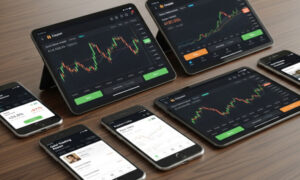
Stable and secure trading platforms will enable you to initiate quick trades without relying on another brokerage platform. Mobile access lets you initiate your trades and receive alerts from any remote location as soon as you see the right market opportunities. Advanced market analysis tools built directly into the platform can give you more data-driven insight when making difficult investment decisions.
CFD Trading Trends for 2026
The three most prominent CFD trading trends for 2026 are AI-assisted trading, mobile-first platforms, and alternative assets. The advancements in artificial intelligence (AI) technology have now made their way into the CFD trading sector. The latest CFD trading trends include AI-assisted charting and analytical tools that can automatically recognize trading patterns and profitable opportunities.
There is also a massive surge in trading alternative assets, such as real estate, cryptocurrencies, and novel commodities in emerging markets. These assets come with higher volatility, but can potentially bring higher profits with the proper trading strategy.
How BXB Market Supports CFD Traders
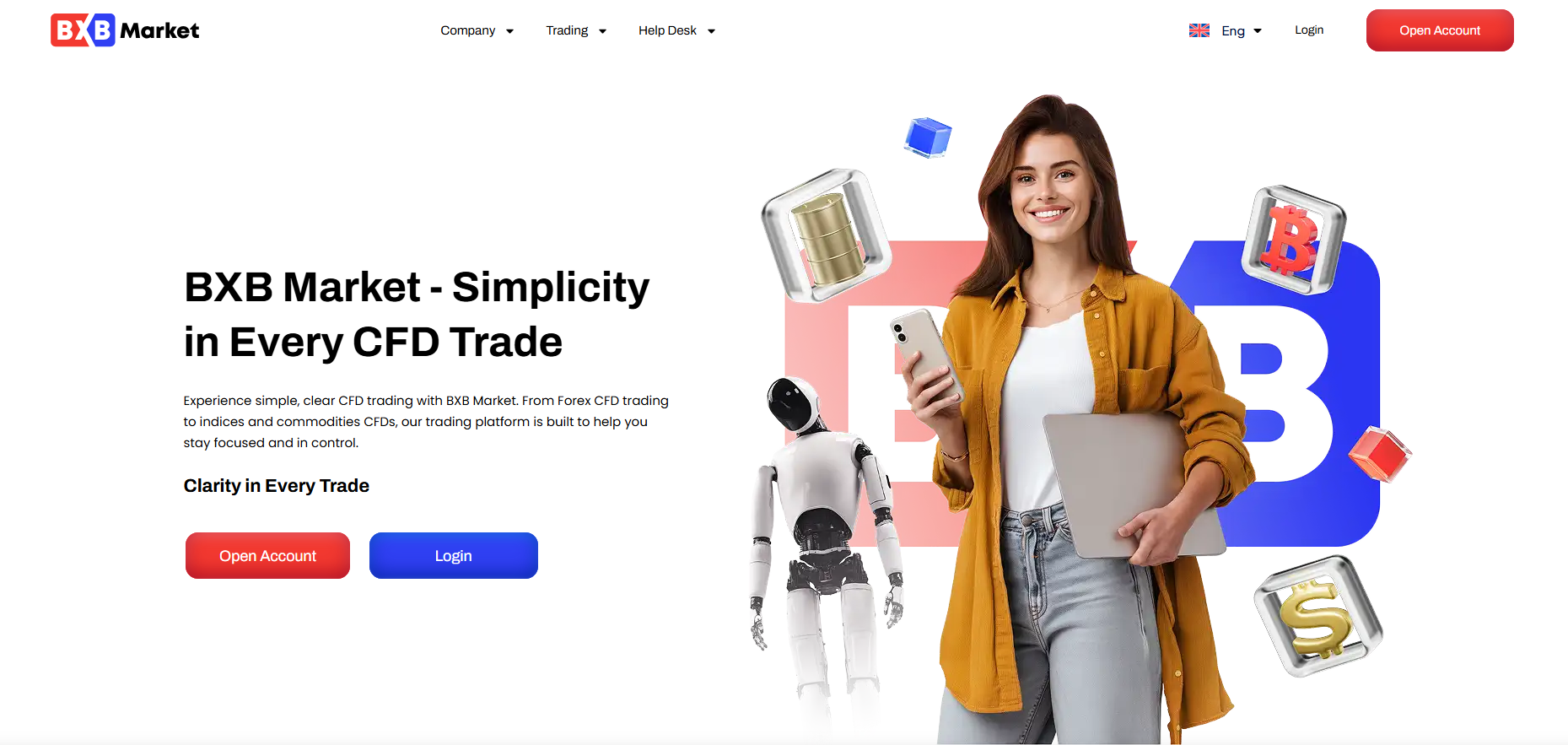
BXB Market offers support to CFD traders through its platform features, asset availability, and trading resources. It is built to help traders stay focused and in control when making difficult CFD trading decisions in indices, commodities, and forex. The features include fast trade executions, a user-friendly interface, and massive asset availability for better pricing and liquidity.
You may be asking, are CFDs suitable for beginners? Yes, but only if beginners take the time to educate themselves regarding the risks and leverage involved in CFD trading. No beginner should aimlessly start trading real capital without the necessary knowledge and strategy.
Also, how much capital is needed? The good news is that you can start with a small amount of capital to begin CFD trading. Since CFDs are traded on margin through borrowed capital, you only need to put down about 2% to 20% of the trade’s total value. That should be a reasonable amount for most beginners.
Conclusion
CFD trading offers individual traders more flexibility and access to global financial markets. All you need to do is choose a CFD broker with the proper regulation, transparent fee structure, and innovative technologies and features. BXB Market is a great CFD trading platform for beginners who need education and assistance in navigating the risks involved in CFD trading.