Dermatologists occupy a unique position in the red light therapy conversation: they have access to clinical research, they see patients who have tried various devices, and they are responsible for recommending treatments that are both safe and effective. Here is what leading skin professionals consistently say about what red light therapy does and does not deliver.
Dermatologist Consensus on the Technology
Most dermatologists acknowledge that red light therapy has a legitimate evidence base. The mechanism, photobiomodulation, or the use of specific light wavelengths to stimulate cellular activity, is not controversial. The debate among professionals typically concerns dosing parameters (irradiance, wavelength precision, treatment duration) and whether consumer-grade devices replicate clinical results.
The general consensus: quality consumer devices can produce meaningful results for skin rejuvenation, but they require consistent use and realistic expectations. They are not replacements for clinical procedures when significant intervention is needed.
What Dermatologists Say About Before-and-After Results
On Fine Lines
Dermatologists generally affirm that red light therapy produces real, measurable improvement in fine lines with consistent use over 8–12 weeks. The effect is described as softening rather than elimination, lines become less prominent, not invisible. For dynamic wrinkles (caused by muscle movement), combining light therapy with Botox produces better outcomes than either approach alone.
On Skin Tone and Texture
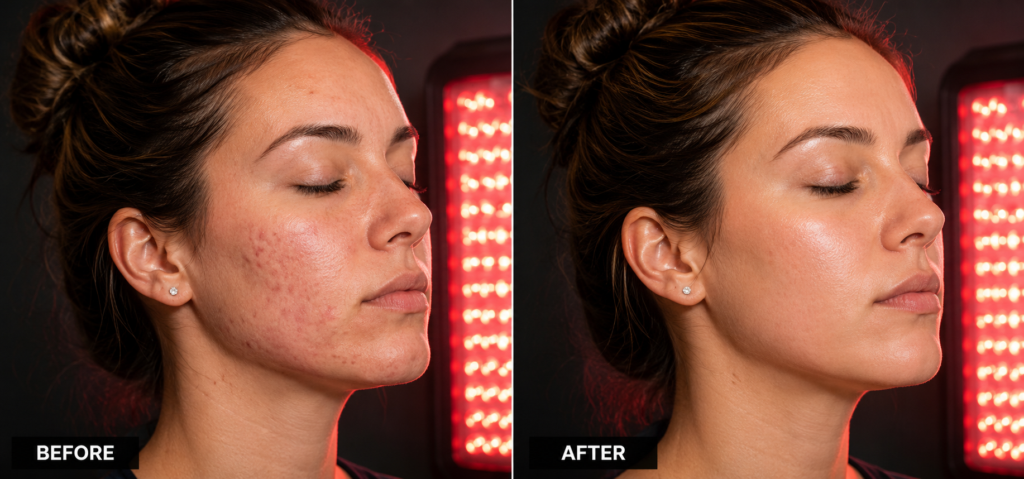
This is the area where dermatologists are most consistently positive about results. Improvements in skin tone, reduction in redness, and smoother texture are outcomes that show up reliably in both clinical documentation and patient feedback.
On Skin Laxity
Results for significant skin laxity are more modest at the consumer device level. Dermatologists note that collagen stimulation from red light therapy is real but gradual, and for significant structural laxity, it is best understood as a maintenance or adjunct tool rather than a primary treatment.
What Dermatologists Caution Against
- Expecting dramatic change in a few sessions, the timeline is weeks to months, not days
- Purchasing low-quality devices with incorrect or inaccurate wavelengths
- Abandoning treatment before the 6–8 week mark, when visible improvement typically begins
- Skipping eye protection, particularly with near-infrared wavelengths
Conditions Where Dermatologists See Strongest Results
- General skin rejuvenation and brightening
- Reduction of redness and mild rosacea-adjacent inflammation
- Post-acne inflammation reduction
- Fine line softening, particularly in the periorbital and perioral areas
The Documentation Question
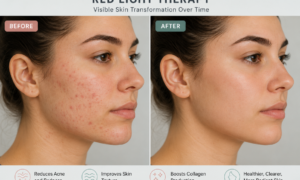
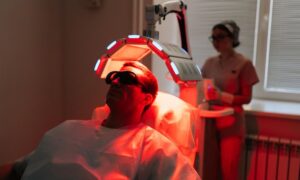
Dermatologists who conduct in-office light therapy often use standardized clinical photography to document patient progress. The before and after red light therapy results captured under these conditions are more reliable than most consumer content, and they confirm real but moderate results over realistic timelines.
Conclusion
The dermatologist perspective aligns with what careful evaluation of the evidence suggests: red light therapy works, the results are real, and the timeline is gradual. For real-user documentation and more skincare guidance, visit . For a broader discussion of evidence-based anti-aging approaches, the American Academy of Dermatology publishes patient-facing guidance from leading professionals.