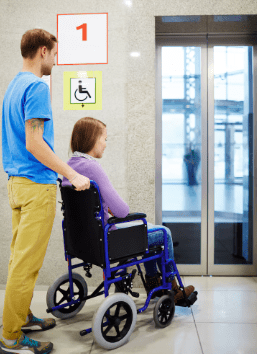
Bathrooms are one of the most hazardous areas in any home, especially for individuals with limited mobility. Wet floors, confined spaces, and the constant need to sit, stand, and turn increase the risk of slips and falls. For seniors, people recovering from surgery, or individuals living with disabilities, a small accident can lead to serious injury.
Creating a safer bathroom environment is not about luxury – it’s about prevention, independence, and dignity.
Why Bathrooms Pose a High Risk
Several factors make bathrooms particularly dangerous for people with mobility challenges:
- Slippery tiles and wet surfaces
- Lack of stable support when standing or sitting
- Low toilet seats
- High bathtub edges
- Poor lighting
Unlike other rooms, bathrooms combine hard surfaces with moisture, increasing both the likelihood and severity of injuries.
Essential Bathroom Safety Modifications
Improving bathroom safety does not always require a complete renovation. Simple, strategic upgrades can significantly reduce risk.
1. Install a Grab Bar for Stability
A properly installed grab bar provides essential support when:
- Sitting down or standing up from the toilet
- Entering or exiting the shower
- Regaining balance after slipping
Grab bars should be securely mounted into wall studs or solid concrete to support full body weight. Stainless steel options are widely preferred because they resist corrosion, are easy to clean, and offer long-term durability.
Proper placement matters. Ideally, grab bars should be installed:
- Beside the toilet
- Inside the shower area
- Near bathtub entrances
2. Improve Floor Safety
Reducing slipping hazards is critical.
- Use anti-slip mats inside and outside the shower
- Choose textured tiles when renovating
- Keep floors dry at all times
Even small puddles can become dangerous for someone with limited balance.
3. Adjust Toilet Height
Low toilets make standing up more difficult for individuals with knee, hip, or muscle weakness. Options include:
- Raised toilet seats
- Comfort-height toilets
- Side-mounted grab bars
These adjustments reduce strain and provide better leverage when standing.
4. Enhance Lighting
Poor visibility increases fall risk. Install:
- Bright overhead lighting
- Motion-sensor night lights
- Focused lighting near the toilet and shower
Proper lighting helps users navigate safely, especially during nighttime visits.
5. Consider Walk-In Showers
Traditional bathtubs with high edges are difficult to step into. Walk-in showers with low or zero thresholds are safer alternatives.
Adding a wall-mounted grab bar and a shower seat further enhances safety and comfort.
The Psychological Impact of Bathroom Safety
Safety improvements are not only physical — they are emotional.
People with limited mobility often fear falling. This fear can lead to reduced independence and reliance on caregivers. Installing proper support structures, such as grab bars, restores confidence and allows individuals to manage daily routines with greater privacy.
Maintaining independence contributes significantly to mental well-being and quality of life.
Choosing the Right Materials
Durability and hygiene are important when selecting bathroom safety equipment.
High-quality stainless steel grab bars are commonly recommended because they:
- Resist rust and moisture damage
- Support substantial weight
- Require minimal maintenance
- Complement modern bathroom designs
Investing in reliable materials ensures long-term safety and performance.
When to Seek Professional Installation
While some safety modifications are DIY-friendly, professional installation is recommended when:
- Walls are fully tiled
- Structural support is unclear
- Heavy-duty support is required
Proper installation ensures the grab bar can safely bear weight without loosening over time.
Final Thoughts
Bathroom safety should never be overlooked, especially for individuals with limited mobility. Falls are preventable, and small upgrades can make a significant difference.
By installing a secure grab bar, improving lighting, reducing slip hazards, and adjusting bathroom fixtures, families can create a safer environment that promotes independence and peace of mind.
Taking proactive steps today can prevent serious injuries tomorrow — and help ensure that the bathroom remains a place of comfort rather than risk.