Hearing shapes almost every moment of daily life. It allows conversations to flow naturally, alerts us to danger, supports learning and helps us stay connected with family, friends and the environment around us. Most people only recognise its importance when sounds become muffled, speech grows difficult to understand or persistent ringing begins to interrupt everyday activities. Hearing changes rarely happen overnight. In many cases, they develop gradually, making early assessment essential for preserving long-term auditory health.
Audiology has become a vital healthcare speciality because hearing influences communication, cognitive function and overall quality of life. Modern audiology extends well beyond fitting hearing aids. It combines advanced diagnostic technology, evidence-based rehabilitation and multidisciplinary care to identify hearing disorders, balance conditions and auditory processing problems across every age group.
What Audiology Covers
Audiology focuses on evaluating, diagnosing and managing disorders affecting hearing and balance. Audiologists assess conductive hearing loss, sensorineural hearing loss, mixed hearing loss, tinnitus, vertigo, vestibular disorders and auditory processing disorders. They also play an important role in newborn hearing screening, occupational hearing conservation and age-related hearing care.
Many conditions affect the auditory system. Recurrent ear infections, excessive noise exposure, genetic disorders, ageing, certain medications and head injuries can all damage hearing. Vestibular disorders involving the inner ear may cause dizziness, imbalance or recurrent episodes of vertigo that interfere with daily activities. Because these symptoms often resemble neurological or cardiovascular conditions, careful clinical evaluation remains essential.
Looking Beyond the Symptoms
Hearing loss presents differently from one individual to another. Some people struggle to follow conversations in noisy environments, while others constantly increase the television volume without realising their hearing has changed. Children may experience delayed speech development, poor classroom performance or reduced social interaction before hearing impairment becomes apparent.
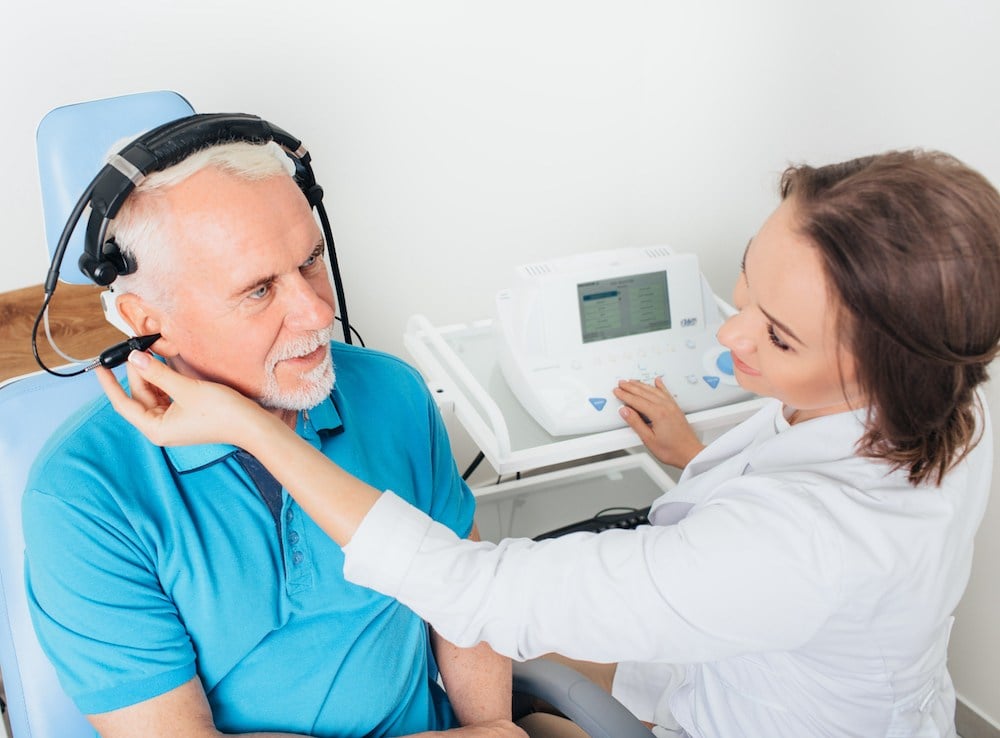
Audiologists use several specialised investigations to determine both the severity and the cause of hearing problems. Pure-tone audiometry measures hearing thresholds across different frequencies, while speech audiometry evaluates how clearly words can be recognised. Tympanometry assesses middle-ear function by measuring eardrum movement, helping identify fluid accumulation or Eustachian tube dysfunction. Otoacoustic emissions and auditory brainstem response testing provide valuable information in newborns, young children and patients who cannot participate in conventional hearing tests.
This structured diagnostic process allows clinicians to recommend the most appropriate treatment rather than relying on symptoms alone.
Modern Approaches to Hearing Care
Advances in audiology have significantly improved outcomes for people living with hearing impairment. Treatment always depends on the underlying diagnosis and the patient’s individual communication needs.
Medical therapy may resolve hearing problems caused by infection, inflammation or certain middle-ear disorders. Hearing aids continue to provide excellent rehabilitation for many individuals with permanent hearing loss, offering improved speech clarity through sophisticated digital sound processing. Patients with profound sensorineural hearing loss may benefit from cochlear implantation, which bypasses damaged sensory cells and directly stimulates the auditory nerve.
Vestibular rehabilitation also plays an important role for patients experiencing chronic dizziness or balance disorders. Through carefully supervised exercises, many individuals gradually regain stability, reduce symptoms and improve confidence during daily activities.
Audiology in Dubai: Comprehensive Hearing Care Across Every Age
Dubai has invested substantially in advanced hearing healthcare, providing access to experienced audiologists, otolaryngologists and state-of-the-art diagnostic facilities. Modern hearing centres now offer comprehensive services ranging from newborn hearing assessment and paediatric audiology to vestibular testing, tinnitus management and adult hearing rehabilitation.
Individuals experiencing gradual hearing loss, persistent tinnitus, dizziness or unexplained balance problems often benefit from early evaluation at an audiology hospital in Dubai. A comprehensive assessment helps identify underlying causes before symptoms progress further. Early intervention frequently improves communication, protects remaining hearing function and supports better long-term outcomes. Regular follow-up also ensures that hearing devices continue to perform effectively as hearing needs change over time.
Hearing health often requires collaboration between several medical disciplines. Otolaryngologists, neurologists, paediatricians, rehabilitation therapists and speech-language pathologists frequently work together to manage complex auditory disorders. Patients therefore benefit from receiving care at a multidisciplinary hospital in Dubai, where coordinated services allow accurate diagnosis, timely treatment and seamless rehabilitation within a single healthcare setting. This integrated approach proves particularly valuable for children with developmental hearing disorders, adults recovering from neurological conditions and older patients managing age-related hearing loss alongside other medical concerns.
The Future of Audiology
Technology continues to reshape hearing care. Artificial intelligence now supports hearing aid programming by adapting sound processing to different listening environments. Remote hearing assessments and tele-audiology services improve access for patients who require ongoing monitoring, while advanced cochlear implant technology continues to enhance speech perception and listening performance.
Despite these innovations, technology remains only one part of effective hearing care. Listening carefully to a patient’s symptoms, understanding their communication needs and tailoring rehabilitation to their lifestyle continue to define high-quality audiological practice.
Conclusion
Healthy hearing supports communication, independence and emotional wellbeing throughout life. Modern audiology combines scientific expertise, precise diagnostic techniques and personalised rehabilitation to help patients overcome hearing and balance disorders with confidence. Early assessment, evidence-based treatment and coordinated multidisciplinary care remain the strongest foundations for protecting one of our most valuable senses for years to come.