
AI’s Real Bottleneck Isn’t Chips. It’s Copper, Power, and Time.

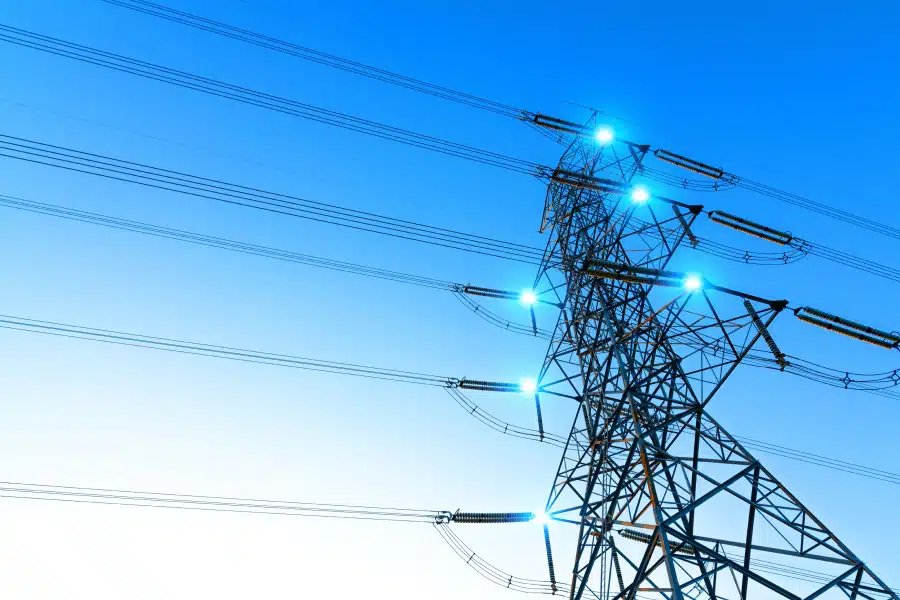
Every data center is a commodity trade in disguise – and almost nobody is pricing the physical layer.
The AI trade has been priced, repriced, and priced again. Chipmakers carry fifty analysts apiece. Model releases move billions in minutes. Cloud capex gets dissected line by line on every earnings call. And yet the trade still has a blind spot – one you can measure in tonnes.
Strip the branding off a hyperscale data center and look at what it actually is: a copper-dense industrial building drawing the electricity of a small city, cooled by industrial water systems, fed by transformers with multi-year waiting lists, sitting at the end of a grid connection that took longer to approve than the building took to construct. The software layer gets the headlines. The physical layer gets the invoice.
The asymmetry nobody models
Software scales in months. Chip supply scales in quarters, painfully. The physical inputs scale in decades – and that’s the number that matters.
A new copper mine commonly takes well over a decade to move from discovery to first production; some take closer to two. Grid interconnection queues in major markets now stretch years. Meanwhile, data center electricity demand is projected by multiple energy agencies to roughly double by 2030. That is a vertical demand curve meeting a glacial supply curve – and in every commodity cycle on record, that gap has resolved the same way: through price.
A decade of underinvestment set the trap
This demand shock isn’t landing on a healthy supply base. It’s landing on a starved one.
After the commodity bust of the mid-2010s, mining and energy companies gutted exploration and development budgets. Shareholders, burned by the previous cycle’s overbuilding, demanded buybacks and dividends instead of new projects – and got them. The industry spent roughly a decade returning capital instead of finding metal.
Then the largest industrial buildout since electrification arrived, asking for copper, uranium, transformers, and gas turbines – all at once.
The tell: tech is already hedging
If this sounds theoretical, watch behavior instead of narratives. Hyperscalers have begun signing direct nuclear power agreements, funding reactor restarts, and backing small modular reactor developers. Companies whose entire identity is software are buying access to electrons decades into the future.
When the most sophisticated capital allocators on earth start acting like energy companies, they are telling you – in filings, not in keynotes – where the real constraint sits. The market has priced the AI story. It has not fully priced the AI supply chain: the part that comes out of the ground.
Where the mispricing actually lives
The first-order AI trade is the most crowded on the planet, analyzed to the second decimal by thousands of professionals. The second-order trade – the producers and developers of the physical inputs – is the opposite. Much of it is small-cap, covered by one analyst or none, because research coverage follows banking fees, not opportunity. Where coverage dies, price discovery goes dormant, and companies can trade below the replacement cost of their assets simply because nobody has read the filings.
That’s the corner of the market where independent shops like AAG Research operate – doing the primary work on mines, energy assets, balance sheets, and share structures that the sell side stopped paying for years ago. For everyone else, the options are honest and stark: do that work yourself, or borrow it from someone who has.
The catch: it’s a patience trade
One caveat belongs in every version of this thesis. The physical layer does not reprice on a product-launch calendar. Mines get permitted slowly, power plants get built slowly, and markets ignore both for years before repricing them in months.
That rewards a specific temperament – valuation-anchored, comfortable being early, unbothered by quiet stretches – and punishes everyone else. It’s worth taking a structured investor profile assessment before sizing a position whose payoff is measured in years, not quarters. In this corner of the market, knowing your own wiring is as important as knowing the asset.
Two clocks
The last time the world rewired its industrial base, fortunes were made twice – once by the companies building the new layer, and once by whoever supplied the copper, the power, and the raw material underneath it. There is no version of the AI buildout that skips the second group.
The models will keep improving on schedule. The metal won’t. In the gap between those two clocks sits one of the most under-analyzed trades of the decade – and for now, the deepest work on it still circulates in a free research letter rather than a bank’s morning note.






Comment