AI wearables are no longer just fitness trackers counting steps or smartwatches showing notifications. In 2026, the category is becoming much broader, smarter, and more practical. People want technology that can move with them, listen when needed, answer questions quickly, and support daily life without forcing them to stare at a screen all day.
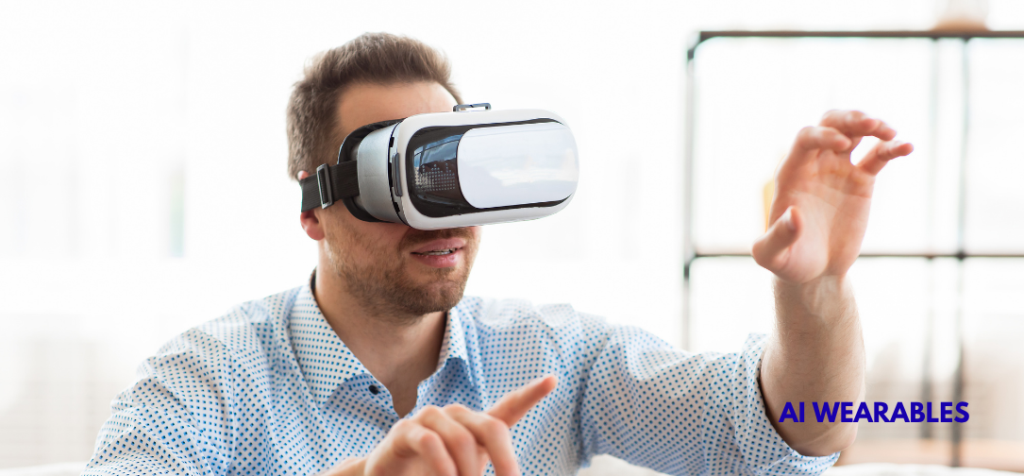
That shift is one reason smart glasses are getting more attention. Devices such as Ray-Ban Meta glasses show how wearable technology is moving toward more natural, hands-free experiences. Instead of pulling out a phone for every photo, message, search, or quick task, users can interact with technology through voice, audio, camera features, and AI assistance.
The growth of AI wearables is being driven by convenience, better hardware, stronger software, and a clear change in how people want to use technology.
Demand for AI Wearables Is Growing Across Industries
AI wearables are becoming useful in more than one area of life. Consumers use them for fitness, communication, travel, entertainment, and productivity. Businesses are also exploring wearables for training, field work, healthcare support, logistics, and hands-free task management.
The appeal is simple: wearable devices can deliver information without interrupting movement. A smartwatch can monitor activity. Smart earbuds can translate speech or manage calls. Smart glasses can capture photos, provide audio assistance, or help users access information while keeping their hands free.
This matters because many people already feel overwhelmed by phones and screens. AI wearables offer a different kind of connection. They are still digital, but they can feel less intrusive when designed well.
As the technology improves, wearables are becoming less like novelty gadgets and more like everyday tools.
Voice Assistance Is Changing How People Use Wearables
Voice control is one of the biggest reasons AI wearables are becoming more useful. Typing on a tiny screen or pulling out a phone is not always convenient. Speaking a simple command can feel faster and more natural.
For travelers, this might mean asking for directions or translation help. For workers, it might mean setting reminders or getting task information while moving. For everyday users, it might mean taking a photo, answering a message, playing audio, or asking a quick question without stopping what they are doing.
Voice assistance also makes wearables more accessible. Not every task needs a full screen. Sometimes, a spoken answer or audio prompt is enough.
The challenge for brands is accuracy. Wearables are used in noisy, unpredictable places: streets, gyms, airports, offices, cars, and homes. Better microphones, stronger AI models, and improved noise handling are all helping make voice interaction more reliable.
Real-Time Information Access Is a Major Growth Driver
People increasingly expect information instantly. They want to know what they are looking at, where they are going, what a message says, or how to respond in the moment.
AI wearables are built around that expectation. The most valuable devices are not just collecting data. They are helping users understand and act on information quickly.
This is especially important for smart glasses because they sit close to the user’s eyes and ears. They can support point-of-view capture, audio prompts, voice commands, and contextual assistance in a way that feels more immediate than using a phone.
IDC has noted that smart glasses are moving into a new growth phase, with display-less glasses expected to see rising shipments through 2030. Its analysis of the smart glasses market points to a category that is expanding as hardware becomes lighter, pricing becomes more competitive, and use cases become clearer.
That is a major signal for the industry. Growth is not only about futuristic AR displays. It is also about simpler smart glasses that solve everyday problems.
Smart Glasses Are Becoming Everyday Technology
For years, smart glasses sounded exciting but felt too experimental for most people. The designs were often bulky, expensive, or too focused on niche use cases. In 2026, that is changing.
Smart glasses are becoming more wearable, more stylish, and easier to understand. Many users do not want a headset that looks like a piece of lab equipment. They want something that feels close to regular eyewear while adding useful features.
That is why the most promising smart glasses focus on daily tasks: taking photos, recording short videos, listening to audio, making calls, using voice assistance, translating, and getting quick answers. These are not distant future ideas. They are practical features people can understand immediately.
Reuters recently reported that Meta launched a cheaper range of AI smart glasses, reflecting the growing push to make the category more accessible and mainstream. Its coverage of Meta’s new AI smart glasses also highlighted strong shipment momentum and growing competition from major technology companies.
As prices improve and designs become more familiar, smart glasses may become one of the most important AI wearable categories.
Hardware Innovation Is Making Wearables More Practical
AI wearables can only grow if the hardware becomes comfortable enough for daily use. People will not wear devices that feel heavy, awkward, fragile, or socially uncomfortable.
That is why hardware innovation matters. Brands are working on lighter frames, better batteries, smaller sensors, improved microphones, stronger speakers, and more durable materials. For smart glasses, design is especially important because the device sits on the face. Comfort, weight, fit, and appearance all affect whether someone will actually wear it.
Battery life is another key factor. A wearable that dies too quickly becomes frustrating. Users want devices that can handle real daily routines, not just short demos.
Privacy design also matters. Smart glasses with cameras need clear recording indicators, user controls, and responsible design choices. Trust will play a major role in adoption.
Software Is Becoming the Real Differentiator
While hardware gets attention, software may be the bigger long-term driver. AI wearables become more valuable when they understand context, respond naturally, and connect smoothly with other devices and apps.
A good wearable experience should feel simple. Users should not have to fight with settings or complicated commands. The device should respond quickly, understand common requests, and work well with the phone, cloud services, and everyday apps.
AI assistants are also becoming more personalized. Over time, users may expect wearables to help with reminders, navigation, language support, shopping lists, health insights, and real-time information based on their habits.
The future of wearables will not be defined only by sensors. It will be defined by how useful the AI feels in everyday moments.
What Comes Next for AI Wearables?
The next stage of AI wearables will likely focus on connected experiences. Smart glasses, watches, earbuds, phones, and other devices may work together more smoothly, giving users the right information in the right format at the right time.
Instead of one device doing everything, each wearable may handle the tasks it is best suited for. Glasses may support visual and voice-based interaction. Watches may handle health and quick notifications. Earbuds may manage audio, calls, and translation. Phones may remain the control center for deeper tasks.
The biggest opportunity is making technology feel less distracting. If AI wearables can reduce screen dependence while improving convenience, they will have a strong place in daily life.
Final Thoughts
AI wearables are growing because they match the way people want technology to work in 2026: faster, more personal, more hands-free, and less tied to screens. Voice assistance, real-time information, smart glasses, better hardware, and stronger software are all pushing the industry forward.
The most successful devices will not be the ones with the longest feature lists. They will be the ones that feel natural to wear, easy to use, and genuinely helpful throughout the day.
AI wearables are still evolving, but the direction is clear. The future of connected technology is becoming more wearable, more intelligent, and more integrated into everyday life.