
Brandon Diggs on how to generate cash flow using your Bitcoin and Ethereum

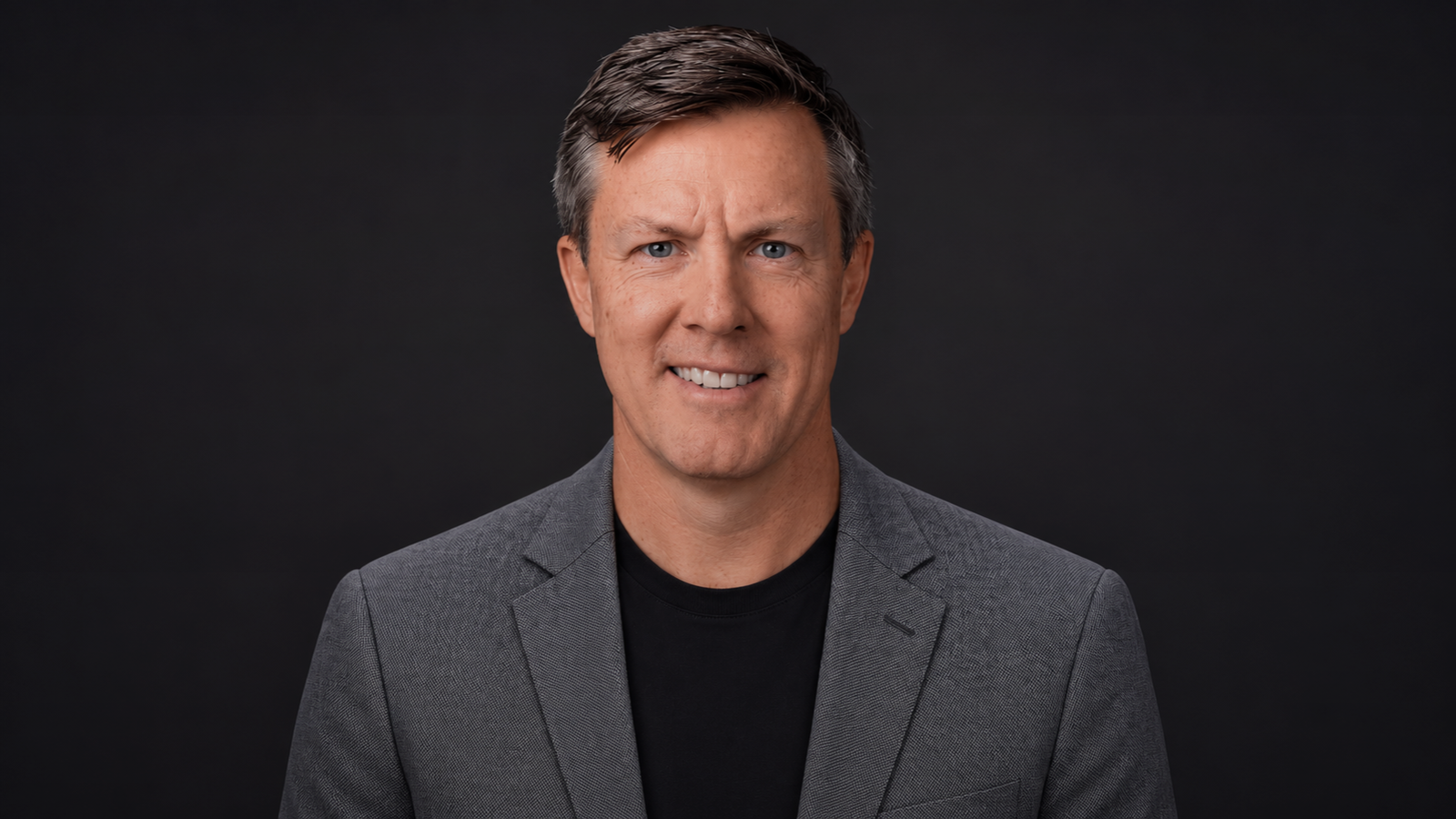
Overseas DeFi’s head of research and education on why buying and holding Bitcoin is only the start, what he teaches people to do next, and why he teaches from positions he runs himself.
Picture someone who bought Bitcoin five years ago. They hope for appreciation and keep dollar cost averaging and surely check the price on their phone more often than they would admit.
They are not selling their Bitcoin. They believe in what they own, and selling would undo years of patience. So the coins sit in a wallet, and the plan, if anyone asked, is to keep waiting.
Brandon Diggs has a short answer for that plan. “Holding is not a strategy,” he says. “It’s half of one.”
The other half is what Brandon teaches. Brandon Diggs is Co-Founder and Head of Research and Education at Overseas DeFi, where he builds the frameworks members learn and works through them on his own positions first.
Brandon came to DeFi from engineering. He earned a master’s in mechanical engineering from Stanford and started his career in semiconductor fabrication and healthcare automation, designing precision robotic systems. He found out early that the part he liked best was explaining the technology to other people. “I really love to teach,” he says, and he has spent more than 25 years teaching technology and finance. He already owned Bitcoin when he discovered DeFi in 2021. He began teaching it for free on YouTube, then moved into decentralized finance full-time to research and teach on-chain income strategies.
Overseas DeFi is the cash-flow company for long-term Bitcoin and Ethereum holders. Its main idea is Productive Ownership™: making the Bitcoin and Ethereum you already own produce cash flow, without selling it. Members learn how to lend, borrow and deploy their crypto assets to earn income. Members maintain self-custody and exclusive control of their assets, while an AI system Brandon and his team created monitors all of their positions.
Brandon co-founded the company with Roman Rida, its COO, who spent 12 years in enterprise cybersecurity, helping Fortune 500 companies manage risk and stand up their security programs, before co-founding Overseas DeFi.
Members learn from practitioners on a Weekly Live Stream and from the Overseas DeFi AI platform, whose AI coach reads their own live positions and explains them including the risk in plain English.
We asked Brandon about how he generated cash flow from crypto and why he is so careful about how this gets taught to newcomers.
The other half of the strategy
“Holding is not a strategy. It’s half of one.” It’s the line Overseas DeFi is built on. What is the other half?
Most of the people we work with did the hard part already. They bought Bitcoin or Ethereum, they held through ugly stretches, and they never sold.
That takes discipline. But then the asset just sits there. It is worth something, and it does nothing for them in the meantime.
The other half is what we call Productive Ownership™: putting what you own to work without giving it up. You keep the coins. You borrow conservatively against them, and you put that borrowed capital to work in DeFi so it produces monthly cash flow. You still own the assets, without selling and triggering a taxable event, and you still benefit from price appreciation.
The way I explain it in lessons, it’s closer to owning a rental than to selling a house. You keep the asset and it pays you. And like a rental, it carries risk, so you learn how to run it before you rely on it.
Who are these holders? The stereotype of a crypto investor is young, online and chasing the next coin.
That’s not who shows up. Our members are professionals, business owners, parents and providers who happen to own Bitcoin and Ethereum. Crypto is something they own, not who they are. A lot of them have never touched a lending market. Some have, and they’re tracking positions in spreadsheets across several chains and want someone to check their thinking. And it’s not for everyone. If you want coin picks, trading signals, a 100x moonshot or someone to manage your money, we’re the wrong group for that.
Own, Lend, Borrow, Deploy
Walk us through the Productive Ownership Method™. What actually happens at each step?
There are four moves, and they go in order.
Own comes first: you hold your Bitcoin or Ethereum in your own self-custody wallet. This is what crypto was designed for.. Lend means supplying some of it to a lending market. Borrow is where you take a loan against what you hold, and you keep that loan conservative. Deploy is putting the borrowed capital to work in DeFi, and that’s where the cash flow comes from.
We call the mechanism the DeFi Carry Trade, and in practice it means borrowing conservatively against what you own and putting that capital to work in DeFi. But we always lead with what it’s for, which is cash flow from what you already own, without selling it. The mechanics come second.
The part I care most about is that the method is protect-first at every move. Before we talk about what a step can do for you, we talk about what can go wrong at that step. That’s a description of how we teach. It is not a promise about outcomes, and I’m careful never to make it sound like one.
What does protect-first look like on an actual position?
It starts before you borrow anything. Know your liquidation price before you borrow. That’s the price at which a loan against your crypto would be closed out. If you don’t know it, you’re not ready to take the loan.
We keep our loans conservative, so there’s plenty of room before liquidation. On the platform, members can model a loan before they take it and see where that line sits. Then they decide. DeFi carries real risk, including smart-contract failure and liquidation, and we say that plainly. We just say it the way we’d describe any other part of running a business, because that’s what it is for us.
Teaching from real positions
You and Roman run the positions you teach. Why does that matter to members?
Because I think you should be able to see that the person teaching you does this every day. A lot of education in this space is people describing a strategy they don’t run. We go the other way. Roman and I teach from our own positions, and Accelerator members can see the team’s live positions inside the platform.
When we talk about a move on a call, it’s usually one we made that week, with what we were thinking at the time. Sometimes that includes a decision we’d make differently now. That’s useful too.
Yet you won’t share numbers in press. Why not?
Because a number in an article reads like a promise to the person reading it, and we never tell anyone what they will make. Their position size, their timing and their risk tolerance are not ours. When we do share our own results, they stay in our own channels, each one with a dated screenshot of the position, and they’re always our results, never a projection for anyone else.
In a piece like this, I’d rather explain how we run things. That part transfers. The number doesn’t.
Crypto is full of illusion and fake numbers, we are all about transparency and living in reality.
Where the AI stops
Overseas DeFi has its own AI platform. What does the AI do for a member, and what will it never do?
The platform reads a member’s live positions once they connect their wallets, and the AI coach explains those positions in plain English. You can ask it something like “how close is this loan to liquidation?” and it answers from your actual numbers, then points you to the lesson that covers the idea. There’s also an AI agent trained on our frameworks, data and content. It answers questions and explains concepts in the Method’s own terms.
What it will never do is trade for you. The AI explains. It does not execute trades, and the platform cannot move funds. Your assets stay in your wallet. The tools help you manage your own portfolio. We don’t manage it, and we don’t want to.
That line matters to me as an educator. If the software made the decisions, members would stop learning, and the whole point is that they understand what they’re running.
Getting started, and what comes next
Say someone reading this owns Bitcoin and has never done anything with it. What does a careful first step look like?
Start with the free mini-course at 5steps.overseasdefi.com It explains every step in plain English, including what can go wrong. If you’re still curious after that, there are two plans, and both prices are public on the Overseas Defi site.
The community gives you the AI coach and AI agent, AI tools to manage your own portfolio, a Weekly Live Stream and the full lesson library.
The Accelerator adds four weekly sessions, the Strategy Call, Group Lesson, Office Hours, and DeFi and Coffee, plus direct messaging with practitioners, a view of the team’s live positions and a 1:1 kickoff.
The main thing is not to rush. The coins have waited this long. Learning the method properly first costs you very little.
What comes next for Overseas DeFi?
More teaching, mostly. We publish a weekly newsletter, DeFi Dispatch, and we keep adding to the lesson library from what we see in the market and in our own positions. Accelerator members can also use the Overseas DeFi MCP, a connection that lets their own AI assistant use our strategies, frameworks and call library, which changes how quickly someone can get an answer when they’re working through a position.
The bigger idea hasn’t changed. Buying and holding is half of a strategy. We want long-term holders to learn the other half from people who run it, with the risk on the table from the first lesson.
About Overseas DeFi
Overseas DeFi is the cash-flow company for long-term Bitcoin and Ethereum holders. Through the Productive Ownership Method™, Own, Lend, Borrow, Deploy, members learn to borrow conservatively against what they own and put that capital to work in decentralized finance (DeFi), protect-first at every move.
The Overseas DeFi AI platform reads members’ live positions and explains them in plain English. It never executes trades, and members keep full custody of their assets in their own wallets. Practitioners who run the same positions teach every week. Overseas DeFi was co-founded by Roman Rida and Brandon Diggs. Learn more at overseasdefi.com.
Overseas DeFi provides education only. Nothing here is financial, tax or legal advice. Overseas DeFi is not a registered investment adviser, broker or fiduciary and never takes custody of member assets. Decentralized finance (DeFi) carries real risk, including smart-contract failure, liquidation and loss of principal. Past results do not guarantee future results. Tax treatment depends on the individual and their jurisdiction.
Previously in Executive Interviews: A Practical Approach to Modernizing Retirement Services






Comment