
Why Small Manufacturers Don’t Need to Own Every Machine

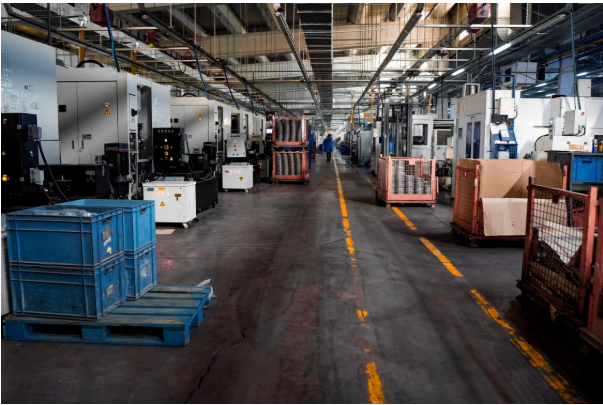
Small manufacturers sometimes need a specialized process for a single order, then have no use for that equipment for weeks. Buying the machine means committing money, floor space, and staff time long after the order ships. That is why it pays to decide which work belongs in the shop and which can be sent to a specialist.
Buy the Capability When You Need It
A fabricator can keep design, welding, assembly, and final inspection in-house while sending the cutting to a specialist. Premium Plate offers steel plate laser cutting for custom plate parts, so a smaller shop can order pieces cut to its drawings without purchasing a laser system.
This can work well when part designs vary, cutting is occasional, or the shop has no room for another production line. It also keeps skilled welders from spending their time trimming blanks because the right cutting equipment is unavailable.
The processor may supply the plate, or the manufacturer may provide its own. Either way, the quote should make clear who owns leftover material and how rejected blanks will be handled. Those details matter when a job calls for an expensive grade.
The manufacturer still defines the material, drawing, tolerances, and delivery date. It also remains responsible for how the finished part fits the assembly.
Look Past the Price Tag
A machine purchase is only the beginning of the ownership cost. Installation may require electrical upgrades, ventilation, material-handling equipment, software, and floor space that could serve another operation. Consumables, maintenance, training, and downtime belong in the calculation too.
Then comes utilization. A cutting table may look affordable when every hour is filled on a spreadsheet. Actual work arrives unevenly: one week brings an urgent batch, the next brings thin demand or drawings still awaiting approval. Base the estimate on productive hours the shop can reasonably expect.
Put the Numbers on the Same Basis
Compare the annual cost of owning and running a machine with outside quotes for the same mix of parts. Include freight, turnaround, and any finishing the shop would still need to do. A low cost per cut loses its appeal if the part needs extra grinding or ties up an operator needed elsewhere.
There is no universal break-even volume. A shop making the same part every day may value immediate control over cutting. A shop switching between materials, thicknesses, and short jobs may have better uses for its capital.
Choose the Cut the Drawing Needs
Laser cutting can suit fine features and close-fitting parts. For heavier plate or long profiles, precision plasma cutting services may also be worth pricing. The drawing and the next fabrication step should guide the choice.
| Job requirement | Starting point | Confirm before ordering |
| Small slots, detailed contours, or close-fitting holes | Laser may offer the needed detail. | Minimum feature size and finished tolerances |
| Heavier plate with long cuts | High-definition plasma may be more economical. | Plate thickness, cut quality, and any finishing needed |
| An edge that will be welded | Either process may work. | Bevel angle, edge condition, and whether further preparation is required |
Send the processor the material grade, finished dimensions, and current drawing. If a hole will be drilled to final size after cutting, say so. That detail could change the quote and the recommended method.
Leave Room for the Odd Month
Small manufacturers rarely receive perfectly level demand. A prototype may need two pieces this week; a customer may want 200 next month. Outside cutting capacity lets a shop take on those jobs without sizing a machine for its busiest week of the year.
A supplier has its own schedule, though. Before promising delivery, confirm that it can handle the material, quantity, and required date. Ask whether a rush order changes the price or affects another batch. A cut part that arrives after its scheduled welding slot can delay the whole assembly.
For repeat components, agree on batch sizes and release dates early. An approved drawing and agreed inspection criteria can speed up the next order without filling the shop with finished parts it may never use. For a new design, consider a small first batch before releasing the full run.
Keep the Expertise That Makes the Product Yours
A good handoff starts with a clear definition of an acceptable part. The shop should know how dimensions will be checked and what records will accompany the material. A first-piece check can catch a mismatch before an entire batch reaches assembly.
Before placing an order, settle three points:
- The right version: Send the current drawing, with material grade, thickness, quantities, and a clear revision number.
- The acceptance criteria: Identify critical dimensions, edge and bevel requirements, and any inspection or material records needed.
- The handoff: Agree on labeling, packaging, delivery timing, and how a rejected part will be resolved.
Keep operations in-house when they require constant adjustment alongside assembly or run often enough to justify dedicated equipment. Track outsourced jobs by actual lead time, rejected pieces, rework, and total cost. If the same work begins filling a dependable schedule, those records will help make the case for buying a machine.
Read More From Techbullion
Previously in Business news: 1 in 5 Weren’t Told Before Enrolling That Their Creditors Pay Their Credit Counselor, New Survey Finds: What Regulators Discovered and What Still Goes Undisclosed






Comment