
Power Bank: A Practical Guide to Staying Connected Throughout the Day

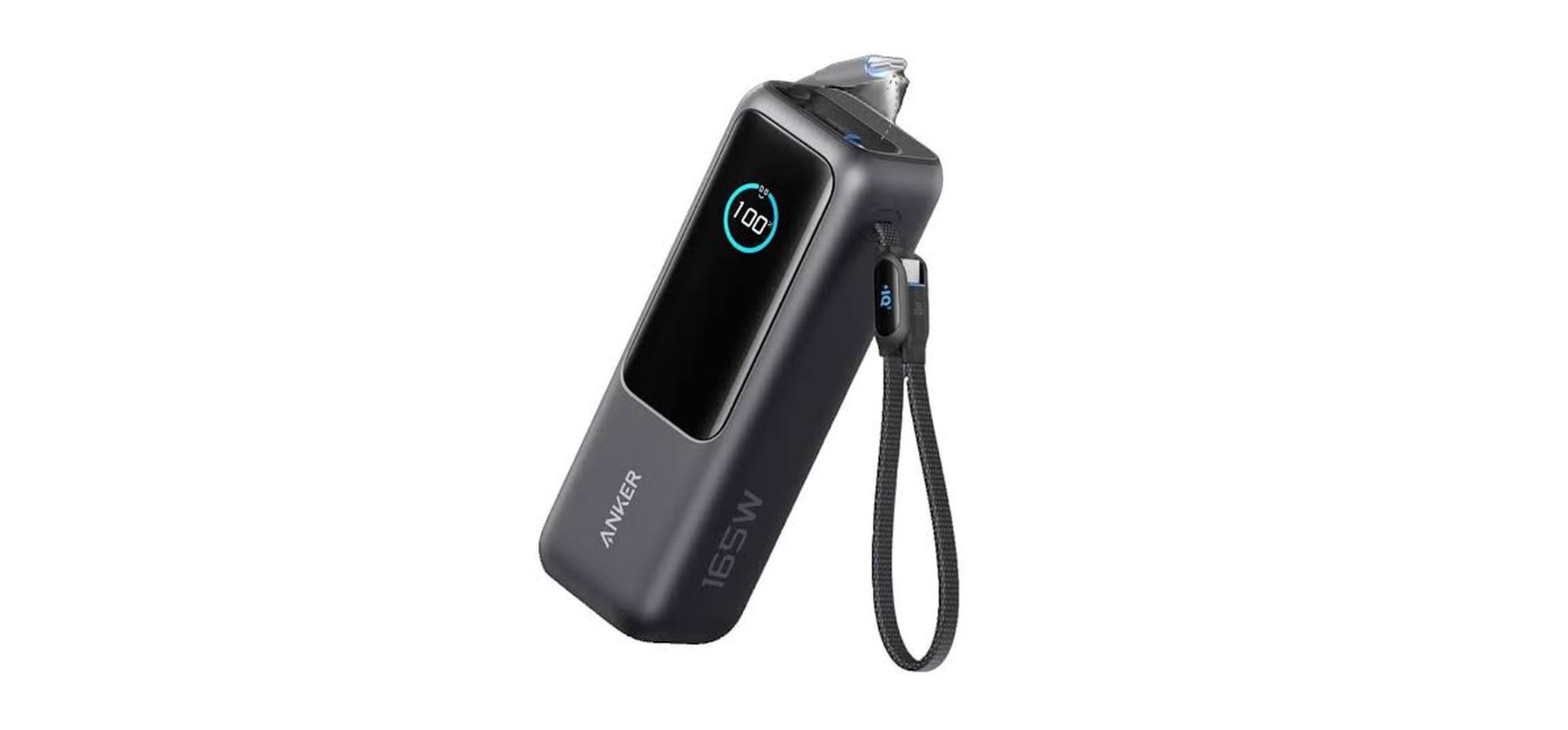
In everyday life, staying connected has become almost as important as carrying your house keys. People use their phones for calls, messages, navigation, online payments, photography, entertainment, and work. However, all these activities consume battery power, and finding an electrical outlet is not always convenient. Whether someone is travelling, attending meetings, studying, or spending time outdoors, a reliable charging option can make daily routines much easier.
A power bank offers a simple solution to this problem. It provides additional battery capacity that people can carry in a bag or pocket and use whenever their devices need charging. Although these accessories may look similar at first, their performance, size, charging speed, and features can vary considerably. Understanding these differences helps buyers choose something useful rather than spending money on unnecessary specifications.
Why portable charging has become so useful
Smartphones have gradually taken on responsibilities that once required several separate devices. A single phone can replace a camera, music player, navigation system, calculator, and even a wallet. The convenience is obvious, but using multiple applications throughout the day can drain the battery faster than expected.
This becomes particularly frustrating when someone is away from home for several hours. A low battery can interrupt important conversations, prevent access to digital tickets, or make it difficult to find directions in an unfamiliar area.
Everyday situations where extra battery power helps
Portable charging is useful in more situations than people might initially expect. Office workers can keep their phones running during long working days, while students can recharge devices between classes. Travellers also benefit because airports, railway stations, and outdoor locations do not always provide accessible charging points.
It can be equally helpful during unexpected situations. A delayed journey, a long appointment, or a temporary electricity interruption can leave someone without access to a wall charger. Having an independent source of energy provides extra flexibility when ordinary charging options are unavailable.
Understanding battery capacity before buying
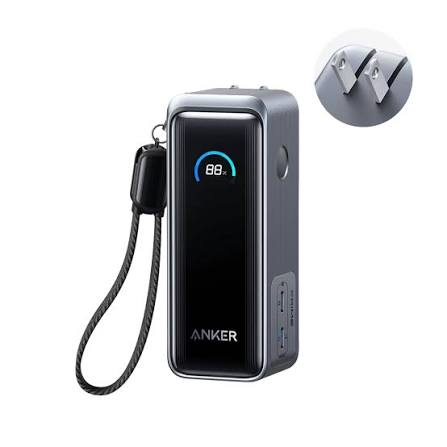
Capacity is one of the first specifications worth checking when comparing portable chargers. It is usually measured in milliampere-hours, written as mAh. This figure indicates how much electrical charge a battery can store, although it does not tell the entire story about real-world performance.
For example, a smaller model may be sufficient for occasional phone charging, while someone who travels frequently might prefer a higher-capacity option. However, choosing the largest available capacity is not automatically the smartest decision.
Matching capacity with your daily routine
Think about how often you normally need to recharge your phone. Someone who only uses a smartphone for messages and occasional calls may not require a particularly large battery. On the other hand, people who regularly stream videos, use navigation, or attend online meetings may appreciate additional capacity.
It is also worth remembering that energy is lost during the charging process. Therefore, a charger advertised with a certain capacity will not necessarily deliver that entire amount to another device. Conversion efficiency, cable quality, and the receiving device's battery all influence the final result.
Charging speed matters more than many buyers realise
Capacity is important, but charging speed deserves equal attention. Nobody wants to carry an accessory that takes several hours to provide a useful amount of extra battery life. Modern devices support different charging standards, so checking compatibility before purchasing is essential.
Fast charging can make a noticeable difference when there is limited time available. For example, a short break at a café might be enough to restore a meaningful amount of battery if both devices support compatible technology.
Check the output and input specifications
Output determines how quickly an accessory can charge another device, while input describes how quickly the accessory itself can recharge. Both specifications matter.
USB-C has become increasingly common because it supports modern charging standards and works with many contemporary devices. Some products also include multiple ports, allowing users to charge more than one device at a time. However, sharing available power between ports can reduce charging speeds.
Size, weight, and build quality
A portable charger should be convenient to carry. A high-capacity model might sound attractive, but its weight and dimensions could make it uncomfortable for everyday use. People who travel light may prefer something compact enough to fit inside a small bag or jacket pocket.
Build quality also deserves attention. Look for a sturdy outer casing, secure charging ports, and buttons that feel properly fitted. A well-made accessory is more likely to handle regular handling without becoming damaged.
Safety features should never be ignored
Battery safety is another important consideration. Reliable products should include protection against overheating, overcharging, excessive current, and short circuits. These safeguards help reduce risks during normal operation.
Buying from a recognised manufacturer or trusted retailer can make it easier to check product specifications and warranty coverage. Extremely cheap products with unclear technical information may not offer the same confidence.
Making a choice you will be happy with
Before buying, compare models rather than choosing a design. Check the capacity, charging standards, number of ports, weight, warranty, and safety information. A power bank should suit your devices, not simply offer the biggest numbers on its packaging.
Carry the right cable and recharge it before a day out. The best choice fits your habits, feels easy to carry, and works reliably whenever you need it.
Conclusion
Choosing the right portable charger does not have to be complicated. The key is to understand your daily charging needs and find a product that offers a suitable balance of capacity, speed, size, and safety. A larger battery may be useful for frequent travellers, while a compact option can work perfectly for everyday use. Before making a purchase, compare specifications, check device compatibility, and consider the manufacturer's reputation. A good power bank should make life more convenient without adding unnecessary weight or expense. With a little research, you can find a reliable charging companion that keeps your devices ready whenever you need them.







Comment