
The Technology Changing How Professionals Approach Wealth Preservation


Wealth preservation is becoming more complex as markets, technology, and client needs continue to change. Financial professionals now use digital tools to track assets, review risks, and make decisions faster.
Technology does not replace careful planning, but it can make that planning more efficient. When used well, digital systems can help professionals protect client assets and respond more quickly to change.
Use Better Data to Support Decisions
Modern financial tools can process large amounts of information in a short time.
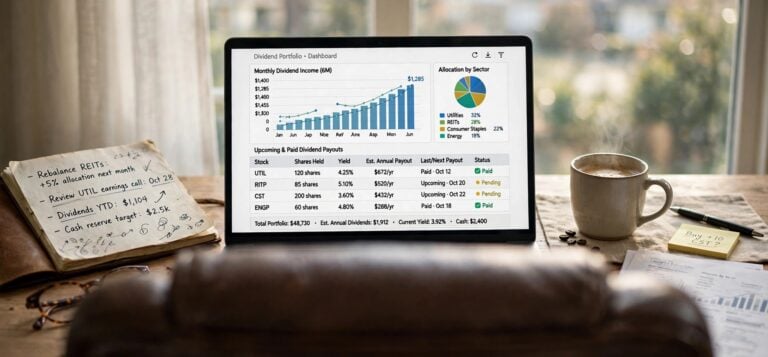
This makes it easier to review market trends, account performance, and possible risks. Instead of relying only on manual reports, professionals can use dashboards and software to see updates more quickly.
Better data can also help with long-term planning.
For example, advisers may compare different market conditions and see how a portfolio could react. This can support more informed choices about diversification, cash needs, and risk levels.
The goal is not to predict every market move. It is to use better information to make more careful decisions.
Improve Risk Monitoring With Technology
Risk management is a major part of wealth preservation.
Digital tools can help professionals watch for changes in markets, asset values, interest rates, and other factors that may affect a portfolio.
Some systems can send alerts when certain limits are reached.
This gives advisers more time to review the situation and decide whether any action is needed.
Professionals comparing technology-focused support may choose to contact Delphi Advisers when looking at different approaches to wealth planning and risk management.
Technology can make monitoring faster, but human judgment still matters. A warning from software should be reviewed in the full context of the client’s goals.
Make Client Communication More Efficient
Technology has also changed how professionals communicate with clients.
Online portals can give clients access to account information, reports, and documents without waiting for a meeting. Secure messaging can also make it easier to answer simple questions. This can improve transparency.
Clients may feel more informed when they can see updates and understand how their plan is progressing.
Video meetings have also made financial guidance more flexible. Clients and advisers can meet without always being in the same location.
Clear communication remains important, even with strong technology. Digital tools should make information easier to understand, not more confusing.
Use Automation for Routine Tasks
Automation can reduce the amount of time spent on repeated work.
Software may help with reporting, account updates, document handling, or other basic tasks. This allows professionals to spend more time on planning and client discussions.
Automation can also support consistency.
A standard process may reduce the chance that an important routine step is missed.
Still, automated systems need regular review.
Software can make mistakes, use old information, or fail to account for unusual client needs. Professionals should continue checking results and making sure technology supports the overall financial plan.
Conclusion: Combine Technology With Careful Planning
Technology is changing how wealth preservation is managed, but it is only one part of the process.
Better data, faster risk monitoring, stronger communication, and automation can all improve efficiency.
However, long-term wealth planning still depends on clear goals, careful judgment, and regular review.
The strongest approach combines useful digital tools with professional experience. That balance can help clients stay informed while giving advisers better ways to manage risk and protect assets over time.
Previously in Finance News: How a Brokerage Calculator Helps You Plan Trading Costs Accurately






Comment