
Why More Brides Are Choosing Lab-Grown Wedding Rings

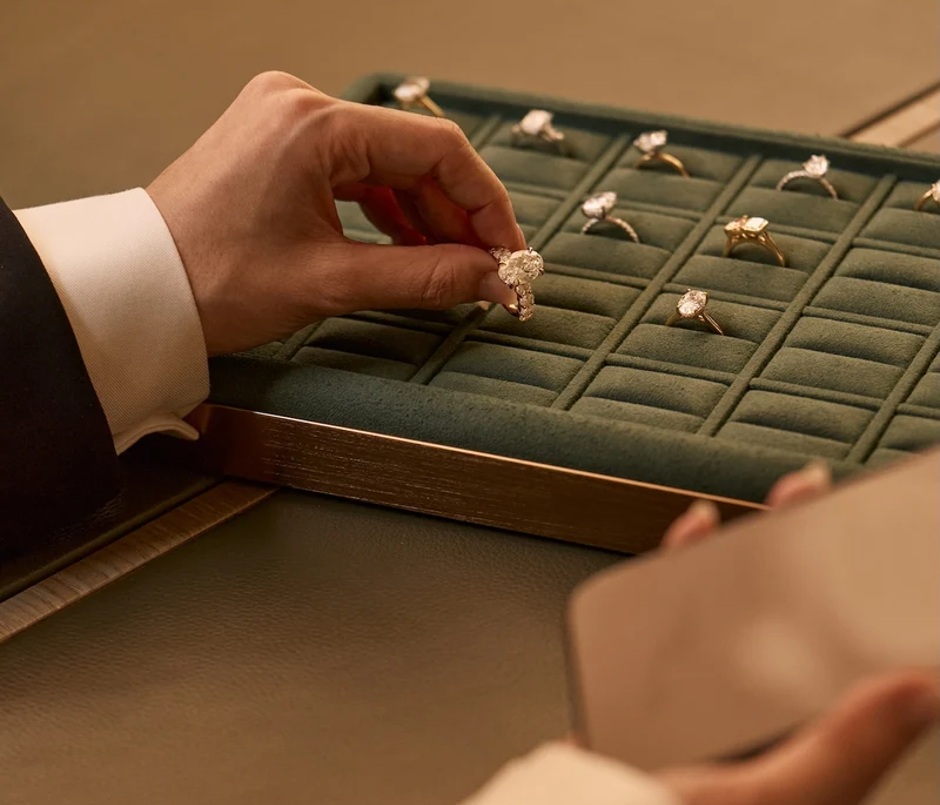
Lab-grown diamonds have gone from curiosity to genuine contender in Australian bridal jewellery, and wedding rings are following the engagement ring trend. The reasons go well beyond price, and a lot of it comes down to some impressive science.
The Diamond Is the Same, the Origin Is Different
A lab-grown diamond is real diamond. It’s pure carbon, locked into the same cubic crystal structure as a mined stone, and it scores a perfect 10 on the Mohs hardness scale. Put the two side by side under a jeweller’s loupe and you won’t spot a difference. Specialist equipment can tell them apart, but your eyes (and your guests’ eyes) can’t. Designers have made the most of that, and browsing the range of Cullen wedding rings shows how far the styles have come, from fine pavé bands to curved designs shaped to sit flush against an engagement ring.
That flush fit matters more than most brides expect. You’ll wear a wedding band every day for decades, so how it pairs with your engagement ring deserves more thought than the carat count.
How Lab-Grown Diamonds Are Made
There are two main methods, and both recreate what happens deep underground, just much faster.
Chemical Vapour Deposition (CVD)
A thin diamond “seed” plate goes into a sealed chamber filled with carbon-rich gas. Microwaves heat that gas into a plasma, and carbon atoms settle onto the seed layer by layer. Over several weeks, a rough diamond builds up. Growers can control conditions closely, which helps them produce high-clarity stones.
High Pressure, High Temperature (HPHT)
This one’s more brute force. A press squeezes carbon at temperatures above 1,300°C and pressures tens of thousands of times greater than the air around us. It’s essentially the Earth’s mantle, recreated in a machine.
Why Lab-Grown Wedding Rings Make Financial Sense
Lab-grown stones typically cost a fraction of a comparable mined diamond. For a band covered in small diamonds, those savings add up quickly.
Couples are putting that money to good use. Some upgrade to platinum. Others choose a fuller eternity band they’d have ruled out at mined-diamond prices, or put the difference toward a house deposit (a very Australian priority right now).
A Sustainable Choice With a Clear Origin
A lab-grown diamond has a traceable origin and needs no new mining. Some jewellers go further. Cullen, for example, offsets the carbon footprint of every lab-grown diamond ring and plants a tree for each ring sold. If sustainability matters to you, ask any jeweller what specific steps they take, since a concrete answer tells you far more than a label.
What to Check Before You Buy
Grading reports have changed recently. IGI still grades lab-grown stones on cut, colour, clarity and carat, while GIA moved to simpler “premium” and “standard” tiers in late 2025. These reports mostly matter for larger centre stones, since the tiny diamonds in a wedding band usually aren’t certified individually. For a band, ask about the quality standard the jeweller sets for those small stones instead.
Choose your metal with daily wear in mind. Platinum develops a soft patina over time, while white gold keeps its bright finish with an occasional rhodium replate.
Then do the one thing most people skip. Photograph your engagement ring from the side, at eye level, before you shop. The profile of the setting decides which bands will sit snugly beside it, and that single photo will narrow your options faster than any style guide.





Comment