
Lab-Grown or Natural Diamonds: What to Know Before Buying Jewelry on Sale

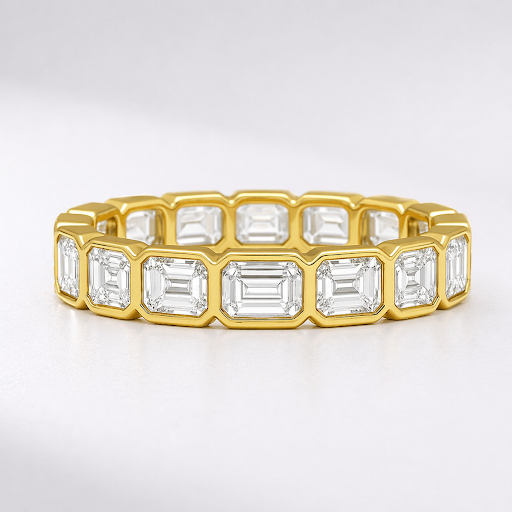
A Black Friday sale can make diamond jewelry feel more attainable, but a discount shouldn’t be the only reason to choose a piece. Before buying, it helps to understand the difference between lab-grown and natural diamonds, compare the details that affect appearance and price, and check what the sale includes.
Both types can be beautiful, durable choices. The right one depends on what matters most to you: origin, budget, design, or the story behind the stone.
How natural diamonds form
Natural diamonds form deep within the Earth under intense heat and pressure over long periods of time. They are brought closer to the surface through geological processes and then mined.
Some people value a natural diamond because of its geological origin or because it’s the type of diamond they’ve always imagined owning. Others prefer to focus on the design, size, and look of the finished piece. There’s no single reason everyone chooses a natural diamond.
How lab-grown diamonds are made
Lab-grown diamonds are produced using technology that recreates some of the conditions under which diamonds form. Two common methods are high-pressure, high-temperature (HPHT) and chemical vapor deposition (CVD).
A lab-grown diamond is a real diamond, not a simulant such as cubic zirconia. Lab-grown and natural diamonds have the same basic chemical composition and crystal structure. Their differences are in their origin and the characteristics that may be visible under specialized gemological examination.
If you’re comparing styles, Evara’s lab-grown diamond jewelry collection offers a range of designs to consider.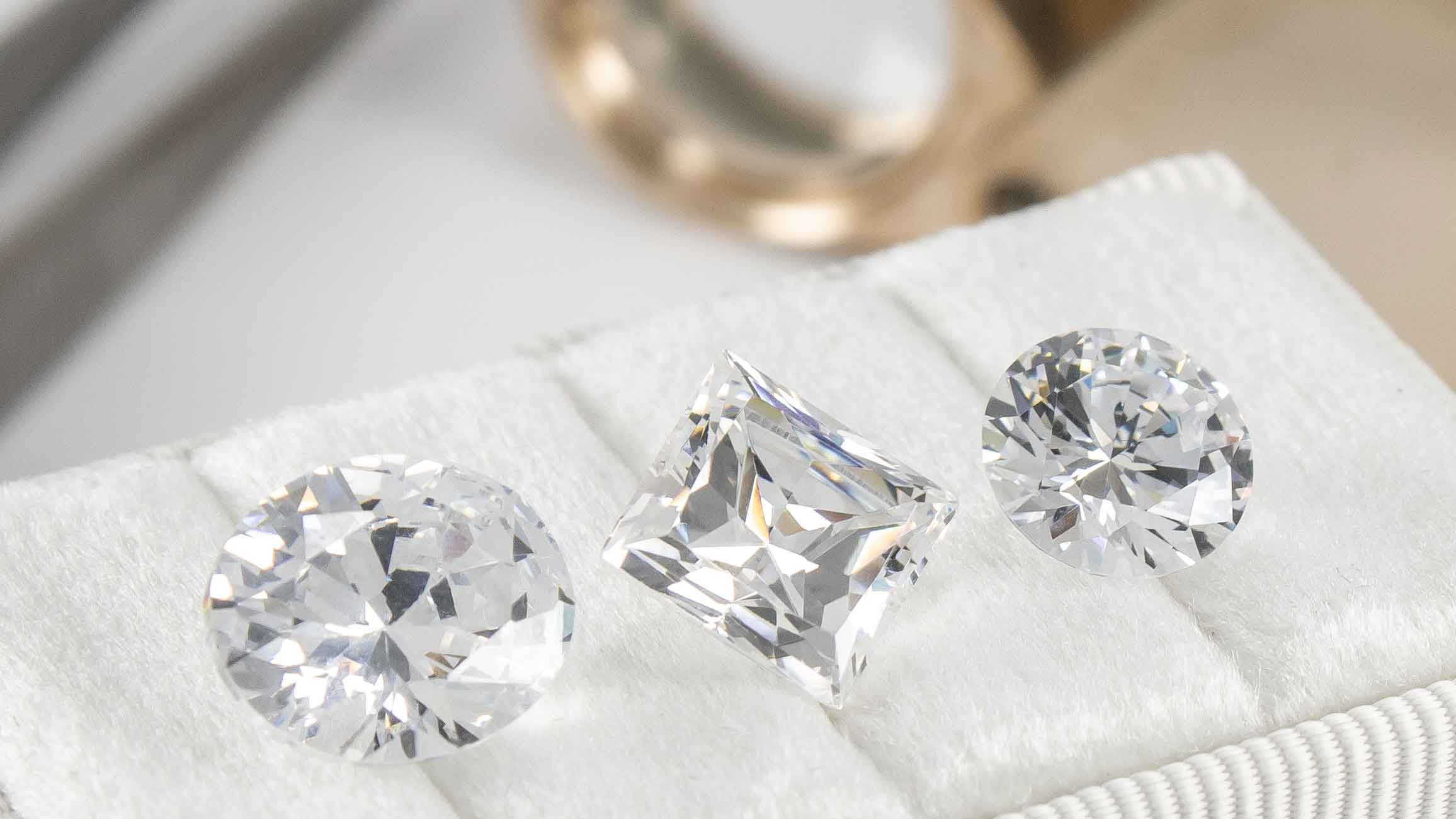
Compare the 4Cs for either type
Whether you’re shopping for a natural or lab-grown diamond, the 4Cs can help you compare stones:
- Cut: Affects how well the diamond reflects light. A well-cut stone can appear bright and lively.
- Color: Describes how much color is visible in a diamond graded on a color scale.
- Clarity: Refers to internal characteristics, called inclusions, and surface features, called blemishes.
- Carat weight: Measures the diamond’s weight. It doesn’t describe the stone’s cut or how large it looks from above.
The 4Cs matter for both origins. A larger carat weight doesn’t automatically make one diamond a better choice than another. Compare the full specifications and, when available, review the diamond’s grading documentation.
Look at the complete piece, not just the center stone
A diamond’s setting, metal, and overall design affect how a piece looks and wears. A ring with a delicate band may feel very different from one with a wide setting, even if the center stones have similar specifications. In earrings or bracelets, the total carat weight may refer to all the diamonds in the piece, not just one stone.
Read the product description carefully. Check the metal type, setting style, total diamond weight, and whether the listed specifications apply to the center stone or the entire piece. Clear product details make it easier to compare prices between retailers.
Consider what matters most to you
Some shoppers prioritize the diamond’s natural origin. Others prefer a lab-grown option because it can offer different choices within their budget. Some care most about the final look of the jewelry or the size and quality of the stone.
Decide which factors matter before browsing. That gives you a more useful comparison than starting with the sale percentage alone. If you’re choosing a holiday present, consider the recipient’s style and the type of jewelry they already wear. Evara’s gifts for her collection include different jewelry styles to browse when you’re choosing a present.
Check the sale details before buying
Black Friday offers can have different terms from regular purchases, so review the details before placing an order. Check whether the price applies to every metal or stone option, whether the item is in stock or made to order, and when it is expected to ship.
Also read the return and exchange policy. Customized, engraved, or made-to-order jewelry may have different terms. If you’re buying a ring, confirm the sizing and resizing options. For a gift, check how long you have to request an exchange and whether sale items qualify.
Choose the diamond that fits your priorities
There isn’t one right answer for every buyer. Natural and lab-grown diamonds differ in origin, while the right choice for a particular piece depends on its specifications, design, price, and what you value.
Use the sale as an opportunity to compare options carefully. Read the diamond details, check the setting and metal, understand the return terms, and choose the piece you’ll be happy to wear or give beyond the holiday season.







Comment