The Evolution of Portability: More Than Just Storage
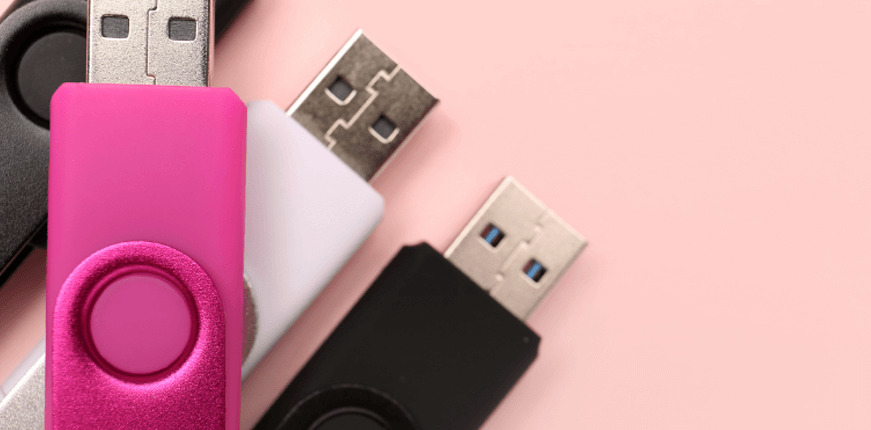
In an age dominated by cloud computing and wireless transfers, the humble USB flash drive might seem like a relic of the past. Yet, its enduring relevance, particularly in its customized form, speaks volumes about its undeniable utility. Far from being a mere repository for files, a custom USB flash drive is a dynamic asset, a tangible extension of your brand, and a versatile tool in a world still reliant on physical data transfer and impactful brand representation. These compact devices offer a unique blend of practicality and promotional power, proving that some innovations, even as technology advances, maintain their indispensable place. Their continued evolution, driven by increased capacity, faster speeds, and diverse designs, ensures they remain a staple for individuals and businesses alike.
Why Customization Matters: Branding Beyond Business Cards
In the competitive landscape of modern business, standing out is paramount. While digital marketing reigns supreme, the impact of a physical, useful item that carries your brand cannot be overstated. Custom USB flash drives offer an unparalleled opportunity to embed your identity directly into the hands of clients, prospects, and employees. Imagine a sleek, branded USB drive handed out at a conference, pre-loaded with your company’s portfolio, whitepapers, or marketing videos. It’s not just a giveaway; it’s a statement.
Tailored to Your Brand Identity
- Shape and Form: From classic rectangles to bespoke designs mirroring your product or logo, custom drives can be molded into virtually any shape. This level of personalization creates an immediate and memorable connection to your brand. Think about a construction company giving out USBs shaped like a hard hat, or a music studio distributing drives in the form of a mini guitar.
- Color and Material: The choice of color can align with your corporate palette, reinforcing brand recognition. Materials like eco-friendly bamboo, durable metal, or soft-touch rubber offer different tactile experiences and convey various brand messages, from sustainability to luxury.
- Logo and Artwork: High-quality printing or engraving of your logo, slogan, or contact information transforms a generic device into a powerful marketing instrument. The clarity and precision of the artwork are crucial, ensuring a professional appearance that reflects positively on your business.
Strategic Pre-loading of Content
- Marketing Materials: Provide instant access to brochures, product catalogs, price lists, and promotional videos without relying on internet access or print materials.
- Presentations and Proposals: Deliver essential documents for meetings or pitches in a professional, organized, and easily accessible format.
- Software and Drivers: For technology companies, pre-loading software, drivers, or user manuals can significantly enhance the customer experience and support.
- Training and Educational Resources: Distribute training modules, educational videos, or compliance documents to employees or students.
The ability to control the pre-loaded content ensures that your audience receives the exact information you want them to have, presented in a cohesive and accessible manner.
The Practical Advantages: Efficiency in a Tangible Form
Beyond branding, custom USB flash drives offer fundamental practical benefits that make them indispensable tools for data management and transfer. Their enduring popularity is rooted in a combination of reliability, portability, and ease of use that cloud-based solutions cannot always replicate, especially in specific scenarios.
Unmatched Portability and Convenience
USB drives are inherently compact and lightweight, making them incredibly easy to carry anywhere. Slip them into a pocket, attach them to a keychain, or store them in a wallet – your crucial data is always within reach. This on-the-go accessibility is vital for professionals, students, and anyone who needs to transport files between different locations or devices without relying on network connectivity.
Offline Accessibility and Reliability
In an increasingly interconnected world, relying solely on internet-dependent cloud storage can be a vulnerability. USB flash drives provide immediate, offline access to your data. Whether you’re on a flight, in a remote location with no Wi-Fi, or experiencing a network outage, your files are directly accessible. This makes them a reliable backup solution and a crucial tool for situations where internet access is limited or unreliable.
Speed and Efficiency in Data Transfer
While cloud synchronization has its merits, transferring large files over the internet can be time-consuming, especially with slower connections. USB 3.0 and newer USB-C drives offer significantly faster data transfer speeds, allowing you to move gigabytes of data in seconds. This direct, plug-and-play functionality is often the quickest and most straightforward method for moving files between two computers or devices.
Durability and Longevity
Unlike traditional hard drives with delicate moving parts, USB flash drives utilize solid-state flash memory. This makes them far more resistant to physical shock, drops, and general wear and tear. Their robust design contributes to a longer lifespan, ensuring your data remains safe and accessible for years to come. While no storage device is immune to failure, the inherent durability of flash drives provides a higher degree of physical resilience.
Applications Across Industries: Versatility Unbound
The utility of custom USB flash drives extends across a multitude of industries, proving their adaptability as a practical and promotional tool. Each sector finds unique ways to leverage these devices, demonstrating their versatility.
Corporate and Business
- Client Handouts: Distribute company profiles, annual reports, product demos, or software trials to potential clients or partners.
- Employee Onboarding: Provide new hires with essential documents, training videos, and necessary software on a branded drive.
- Conferences and Trade Shows: Replace bulky brochures with digital content, reducing printing costs and enhancing attendee engagement.
- Sales and Marketing Kits: Equip sales teams with comprehensive digital toolkits for on-the-go presentations and client interactions.
Education and Academia
- Student Portfolios: Students can submit digital projects, essays, and multimedia assignments.
- Course Materials: Professors can distribute syllabi, lecture notes, readings, and supplementary materials to entire classes.
- Research Data: Researchers can securely store and transport large datasets, experimental results, and presentations.
- Bootable Drives: For IT departments, creating bootable drives for system diagnostics, software installations, or operating system repairs is a common practice.
Creative and Media Industries
- Photographers and Videographers: Deliver high-resolution photo albums, wedding videos, or production reels to clients. The aesthetic of a custom drive can enhance the perceived value of their work.
- Graphic Designers: Share design mock-ups, final artwork, and font packages with clients in an organized manner.
- Musicians and Artists: Distribute digital albums, EPKs (Electronic Press Kits), or portfolios to fans, labels, or galleries.
Healthcare and Legal
- Patient Records (securely encrypted): While stringent regulations apply, encrypted USB drives can, in controlled environments, be used for secure transfer of anonymized data or patient images (e.g., X-rays).
- Legal Documents: Lawyers can compile and present case files, depositions, and evidence in a portable, organized format.
- Medical Device Software: Manufacturers can provide necessary software updates or drivers for medical equipment.
The ability to customize the appearance, pre-load specific content, and offer a tangible, useful item makes these drives an invaluable asset across such diverse applications.
Maximizing Impact: Tips for Successful Deployment
To truly harness the potential of custom USB flash drives, a thoughtful approach to their design and distribution is essential. It’s not enough to simply hand them out; the goal is to create a lasting impression and ensure maximum utility for the recipient.
Design with Purpose
- Target Audience: Consider who will receive the drive and design it to appeal to their aesthetic and practical needs. A sleek metal drive might suit a corporate executive, while a fun, novelty shape could engage a younger audience.
- Brand Consistency: Ensure the design, colors, and logo align perfectly with your existing brand guidelines. Consistency builds recognition and trust.
- Functionality: Beyond aesthetics, think about the drive’s practical features. Does it need a cap? A swivel design? A keychain attachment? These small details can significantly enhance user experience.
Content is King (and Curated)
- Value Proposition: What valuable information or resources can you provide that the recipient will genuinely appreciate? Avoid simply dumping generic marketing materials.
- File Organization: Organize pre-loaded content logically in clearly labeled folders. This makes it easy for the recipient to find what they need.
- Trackable Links: If possible, include links within your pre-loaded documents that are trackable, allowing you to gauge engagement and analyze user behavior (e.g., QR codes leading to landing pages).
Strategic Distribution
- Events and Trade Shows: These are prime opportunities to distribute branded drives. They serve as a memorable takeaway that continues to promote your brand long after the event concludes.
- Welcome Kits: Incorporate them into welcome kits for new clients, employees, or even as part of a product purchase.
- Direct Mail Campaigns: For high-value prospects, a custom USB drive can be a unique and impactful addition to a direct mail package, ensuring your message stands out.
- Press Kits: Provide journalists and media outlets with press releases, high-resolution images, and video clips on a branded drive.
By focusing on these aspects, businesses can transform a simple storage device into a powerful and effective tool for brand building and communication.
The Future of Physical Media: Adapting and Thriving
While digital streams and cloud services continue their ascent, the need for robust, portable, and secure physical data storage remains. Custom USB flash drives are not just holding their ground; they are evolving. Innovations in security features, such as hardware encryption and biometric access, are making them increasingly attractive for sensitive data. Furthermore, the development of smaller form factors and higher capacities ensures their continued relevance in an ever-expanding digital world. As the demand for convenient data access and reliable offline solutions persists, USB drives, especially those tailored to specific needs, will continue to play a vital role in our daily lives and professional endeavors. Their future is less about competing with the cloud and more about complementing it, offering a secure, tangible, and highly effective alternative for diverse data management and promotional needs. Understanding the varied and enduring advantages of USB drives, from their simple portability to their marketing potential, is key to appreciating their sustained importance in the technological landscape.
Frequently Asked Questions (FAQs)
Q1: What makes a custom USB flash drive different from a standard one?
A1: The primary difference is the ability to personalize the drive’s physical appearance (shape, color, material, logo printing) and pre-load it with specific digital content. Standard drives are generic and come without any branding or pre-loaded files.
Q2: Are custom USB flash drives still relevant with cloud storage readily available?
A2: Yes, they are highly relevant. They offer offline accessibility, faster direct data transfer for large files, enhanced data security (especially with encryption options), and serve as powerful, tangible promotional tools that cloud storage cannot replicate.
Q3: What kind of content can I pre-load onto a custom USB drive?
A3: You can pre-load a wide variety of content including marketing materials (brochures, videos), presentations, software, drivers, training documents, educational resources, photos, and any other digital files relevant to your purpose.
Q4: How long do custom USB flash drives typically last?
A4: The lifespan of a USB flash drive depends on its quality, usage frequency, and the number of read/write cycles. However, due to their solid-state design (no moving parts), they are generally very durable and can last for many years with proper care.
Q5: Can custom USB flash drives be protected with passwords or encryption?
A5: Yes, many custom USB flash drives can be ordered with software or hardware encryption features, allowing you to password-protect sensitive data and enhance security. This is particularly useful for corporate or legal applications.
Read More From Techbullion