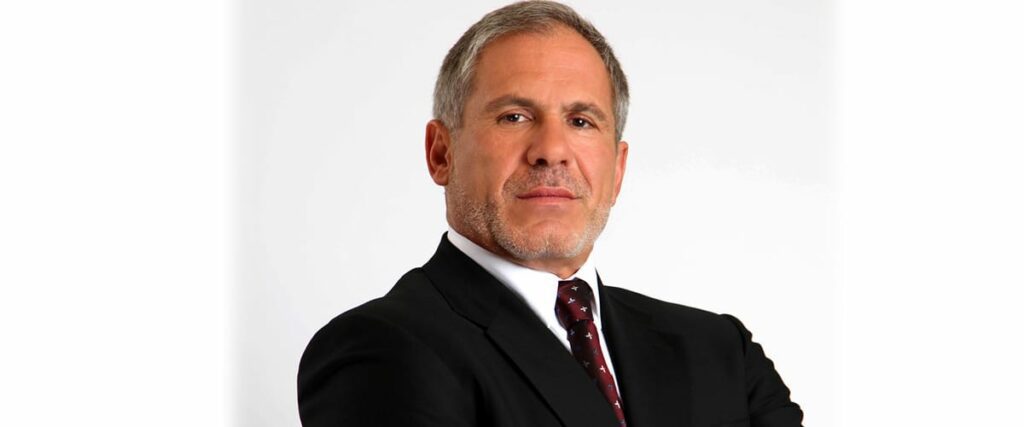
Seattle boasts a skyline of towering skyscrapers that meet the tranquil waters of Puget Sound. Amidst this picturesque scenery stands Kirk B. Bernard, Esq., a beacon of justice. His unwavering commitment to his clients and tireless efforts in the courtroom earned him the prestigious accolade of the 2023 Attorney of the Year in the State of Washington, bestowed upon him by the esteemed Top 100 Registry.
A Career Spanning Over Four Decades
As the founding attorney of the personal injury law firm Bernard Law Group, headquartered in Seattle, Mr. Bernard has dedicated the past 42 years to advocating for personal injury victims in the state. With a law degree earned in 1981, he possesses a wealth of experience and legal acumen that brought justice to countless individuals who suffered due to auto accidents and other types of negligence.
Mr. Bernard’s track record speaks for itself. His tenacity and expertise resulted in notable verdicts and settlements, including:
- An $18.5 million settlement for a motorcyclist who collided with an illegal u-turning dump truck
- A $12.5 million settlement for a pedestrian struck by a bus
- A $1.6 million settlement for a child who suffered brain damage due to medical negligence
There is no doubt that throughout his career, Mr. Bernard played a pivotal role in many high-profile cases. One such case was Meisner v. State of Washington et al., where he fought for a motorcyclist involved in a catastrophic accident due to inadequate signs in a highway construction zone. Just a couple of weeks before the scheduled trial, the parties reached a $5.5 million settlement, providing much-needed relief for the victim.
Community Involvement and Advocacy
In addition to his impressive legal achievements, Mr. Bernard is widely recognized for his community involvement. He is a member of many impactful organizations such as the Brain Injury Association of Washington, the American Bar Association, and the Washington State Association for Justice. He is continually working to champion causes close to his heart.
A fervent advocate for health and safety, Mr. Bernard has actively promoted bicycle safety among Seattle’s youth. His firm has sponsored bicycle helmet giveaways, providing hundreds of children with protective headgear. Furthermore, he has funded and produced public service announcements, educating the local community about the importance of wearing safety gear while cycling.
Mr. Bernard’s commitment to making a difference extends beyond the realm of personal injury law. His involvement in the Northwest Harvest Food Drive helped alleviate hunger through the support of Washington’s statewide hunger relief agency. Additionally, as a staunch supporter of the Brain Injury Association of Washington, he works tirelessly to raise awareness about the challenges faced by brain injury victims.
Recognitions and Awards
The esteemed accolades Mr. Bernard has received throughout his career speak volumes about his exceptional skills and unwavering dedication. Notably, he is recognized as:
- An Outstanding Member of the Consumer Attorneys Association and the American Bar Association
- An Eagle Member of the Washington Association of Trial Lawyers
- A Distinguished Member of the Consumer Attorneys Association of Los Angeles
Additionally, his AVVO Superb Rating and membership in the Million Dollar Advocates Forum further illustrate his commitment to excellence.
A Well-Deserved Honor
As Top 100 Registry acknowledges Kirk Bernard as the 2023 Attorney of the Year in the State of Washington, his remarkable achievements and impact on the lives of accident victims are celebrated. The honor bestowed upon him not only recognizes his legal prowess but also highlights his dedication to serving the Seattle community and beyond.