Designing a beautiful and functional home has never been easier thanks to modern technology. An AI interior design tool uses artificial intelligence to help homeowners, renters, interior designers, and real estate professionals visualize, plan, and personalize interior spaces with speed and accuracy. Whether you’re redecorating a single room or planning a complete home renovation, AI-powered design tools can simplify the process while inspiring creative ideas.
In this article, we’ll explore how an AI interior design tool works, its benefits, key features, and how it is transforming the future of home design.
What Is an AI Interior Design Tool?
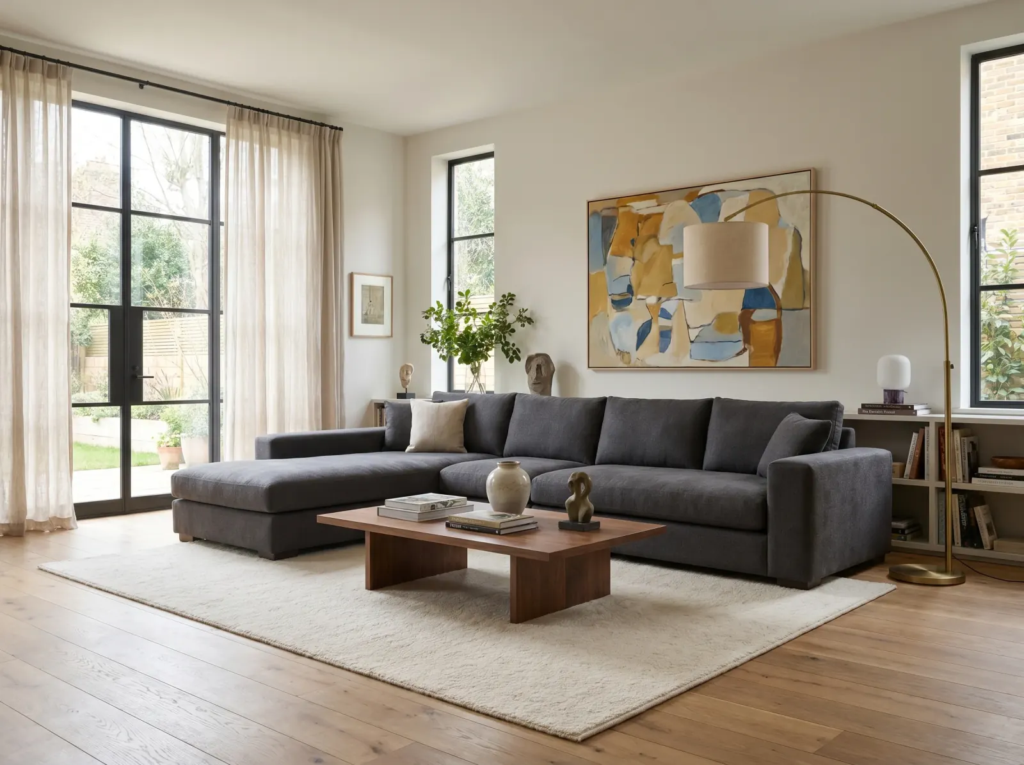
An AI interior design tool is software that uses artificial intelligence to generate room layouts, recommend furniture, suggest color palettes, and create realistic visualizations based on user preferences. Many platforms allow users to upload a photo of their room or enter room dimensions, after which the AI generates customized design concepts.
These tools combine machine learning, image recognition, and design principles to deliver recommendations that match your style, budget, and available space.
How AI Interior Design Tools Work
Most AI-powered design platforms follow a simple process:
- Upload a photo or floor plan.
- Select the room type, such as a bedroom, kitchen, or living room.
- Choose your preferred design style.
- Set your budget and preferences.
- Let the AI generate multiple design options.
Some advanced tools also provide 3D visualizations, shopping suggestions, and virtual staging to help users better understand how the finished space will look.
Benefits of Using an AI Interior Design Tool
Saves Time
Traditional interior design often involves multiple consultations, sketches, and revisions. AI can generate design concepts in minutes, allowing users to compare several ideas quickly.
Reduces Costs
Hiring a professional interior designer may not fit every budget. An AI interior design tool offers affordable design assistance while still delivering creative and functional recommendations.
Encourages Creativity
Artificial intelligence introduces fresh ideas that users may not have considered. It can combine colors, textures, furniture, and layouts in innovative ways while respecting your chosen style.
Easy to Use
Most AI design platforms feature intuitive interfaces that require little or no design experience. Homeowners can confidently experiment with different layouts and décor without specialized knowledge.
Personalized Recommendations
AI analyzes user preferences and creates customized room designs instead of offering one-size-fits-all solutions. This results in spaces that reflect individual tastes and lifestyles.
Popular Interior Design Styles Supported
Many AI interior design tools offer a wide variety of design themes, including:
- Modern
- Contemporary
- Scandinavian
- Industrial
- Minimalist
- Farmhouse
- Traditional
- Coastal
- Bohemian
- Luxury
Users can often switch between styles instantly to compare different design approaches.
Features to Look For
Not every AI interior design tool offers the same capabilities. When selecting a platform, consider these features:
Room Visualization
The ability to upload photos and generate realistic room transformations helps users make informed design decisions.
3D Rendering
Three-dimensional previews allow users to view spaces from multiple angles before purchasing furniture or starting renovations.
Furniture Recommendations
Some platforms recommend furniture, lighting, rugs, and accessories that complement the chosen design style.
Color Palette Suggestions
AI analyzes room lighting, wall colors, flooring, and décor to recommend harmonious color combinations.
Floor Planning
Floor planning tools help optimize furniture placement while maximizing available space.
Budget Planning
Many AI platforms allow users to establish spending limits and recommend products within a specific budget.
Who Can Benefit?
An AI interior design tool is valuable for many different users.
Homeowners
Homeowners can redesign living spaces without the expense of multiple professional consultations.
Renters
Renters can experiment with temporary furniture layouts and decorative ideas that suit rental properties.
Interior Designers
Professional designers use AI to generate initial concepts, speed up workflows, and present multiple options to clients.
Real Estate Agents
Virtual staging powered by AI helps showcase vacant properties, making them more attractive to potential buyers.
Property Developers
Developers can create realistic visualizations for marketing new homes and apartments before construction is complete.
Advantages Over Traditional Design Methods
AI complements traditional interior design rather than replacing it completely.
Some advantages include:
- Faster concept generation
- Instant design revisions
- Lower design costs
- Easy experimentation
- Better space visualization
- Improved decision-making
Professional designers often use AI as a creative assistant to streamline the design process.
Limitations of AI Interior Design Tools
Although AI technology is highly capable, it has some limitations.
Limited Understanding of Personal Preferences
While AI learns from user input, it may not fully understand emotional preferences or sentimental value associated with certain furniture or décor.
Structural Constraints
AI cannot always identify hidden construction issues, plumbing limitations, or electrical considerations that may affect renovation projects.
Human Creativity Still Matters
Experienced interior designers provide personalized insight, emotional understanding, and practical expertise that artificial intelligence cannot fully replace.
Tips for Getting the Best Results
To maximize the value of an AI interior design tool:
- Upload high-quality room photos.
- Measure room dimensions accurately.
- Clearly define your preferred design style.
- Set a realistic budget.
- Experiment with multiple layouts.
- Compare different color palettes.
- Combine AI suggestions with your personal preferences.
Using accurate information helps the AI generate more realistic and useful recommendations.
The Future of AI in Interior Design
Artificial intelligence continues to evolve rapidly. Future AI interior design tools are expected to include:
- Augmented reality room visualization
- Voice-controlled design assistance
- Smart home integration
- Sustainability recommendations
- Energy-efficient layout planning
- Personalized shopping experiences
- Real-time collaboration with professional designers
As technology advances, AI will become even more effective at helping users create functional, beautiful, and personalized living spaces.
Choosing the Right AI Interior Design Tool
When selecting a platform, consider factors such as:
- Ease of use
- Available design styles
- Image quality
- 3D rendering capabilities
- Furniture catalog integration
- Pricing
- Customer reviews
- Export and sharing options
Testing free versions before purchasing a subscription can help determine which tool best meets your needs.
Conclusion
An AI interior design tool is transforming the way people plan, decorate, and renovate their homes. By combining artificial intelligence with modern design principles, these tools make interior design faster, more affordable, and accessible to everyone. From generating room layouts and recommending furniture to creating realistic visualizations and personalized color palettes, AI empowers users to make confident design decisions.
Whether you’re updating a single room, preparing a property for sale, or planning a complete home makeover, an AI interior design tool can save time, reduce costs, and inspire creative solutions. While professional designers remain valuable for complex projects, AI serves as a powerful partner that helps turn design ideas into beautiful, functional spaces.