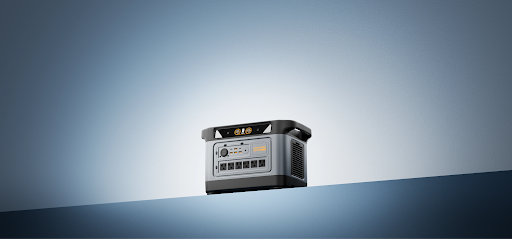
A few years ago, backup power was mostly a garage conversation. Campers carried small battery packs, homeowners kept flashlights in drawers, and anyone needing serious electricity thought about a gas generator. That picture is changing. We are dependent on computers, routers, sophisticated cooling, specialist medical equipment, bright LED lights, and necessary power tools because modern life need continual contact. In the house, unexpected grid outages quickly turn an ordinary evening into a chaotic situation with compromised food safety, cut off connectivity, and disappearing comforts. The challenge is not simply having power. It is having power that is quiet, safe to manage, easy to recharge, and realistic for ordinary families.
The New Backup Problem Is More Practical Than Dramatic
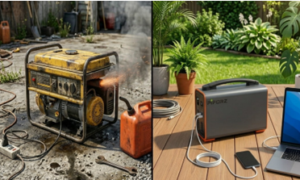
Rarely does the energy instability of today arrive with a dramatic crash. Rather, disruption appears subtly: food deteriorating in a stagnant refrigerator, a mobile gadget fading in transit, a home network malfunctioning during a crucial conference, or a campground losing its allure as dusk falls. Authorities prudently stress that operating fuel-burning generators close to entrances or dwelling areas necessitates particular caution due to the invisible threat of carbon monoxide. Internal-combustion workhorses continue to be extremely dependable for heavy-duty, long-term outages; they are undoubtedly far from finished. However, this highlights why contemporary homes increasingly want for smooth, silent substitutes that handle little problems and far-off vacations without the inconveniences of erratic fuel, loud noises, or hazardous refill excursions during inclement weather.
Outdoor Living Now Runs on More Than a Lantern
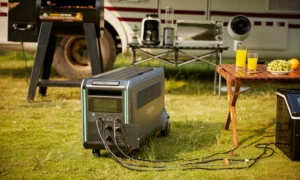
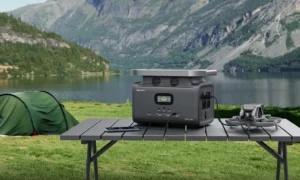
The modern explorer has changed, which has led to the evolution of modern camping. The modern itinerary now requires sophisticated GPS systems, global satellite links, solar-harvesting lamps, ruggedized cooling units, climate-managed chillers, and a sleek laptop for the digital nomad connecting wilderness vistas with Monday’s boardroom, even though the appeal of a weekend getaway still stems from clean, fresh air. The idea of severe solitude from primordial times has drastically changed. Even if the majority of contemporary explorers still want for a genuine off-grid getaway, they won’t compromise on the necessities of reliable safety, fine dining, evocative lighting, or simple, worldwide communication. In that setting, a portable power station becomes less of a gadget and more of a planning tool. The lesson for buyers is simple: start with the devices, not the battery. A phone and lantern need very different capacity than a cooler, CPAP machine, or induction cooktop.
Home Outages Are Turning Convenience Into Preparedness
The strongest shift is happening inside the home. There are many more uses for dependable backup energy than merely preserving luxury in the home. These systems protect perishable food supplies, maintain vital internet access, run cooling fans in intense heat, save phone power for emergency alerts, or maintain life-saving medical and sleep equipment. Public health experts stress that, if shut firmly, refrigerators may maintain safe temperatures for around four hours during power outages, whereas freezer durability varies according on capacity. Before things worsen, this short period of time changes how households approach mitigation. Although long-term emergencies involving high-demand machinery are seldom resolved by portable batteries, they work well during short lulls, utility load shedding, or nighttime requirements, thereby turning a possible catastrophe into a small nuisance.
The Smartest Buyers Think in Watts, Not Hype
One mistake often seen in power-content briefs is treating capacity like a magic number. Not exactly. While output wattage determines the gear you can consistently power, watt-hours only predict duration. Modest energy sources are ideal for pocket electronics, nightlights, and small devices. On the other hand, sturdy, high-capacity power solutions are required for demanding, industrial-grade machinery such as heavy-duty freezers, powerful microwaves, artisan brewing systems, or ruggedized professional equipment. Because many devices require a brief power spike at ignition compared to their steady-state consumption, surge capacity should always be taken into consideration. This is where the category is becoming more mature. Customers no longer just ask, “What is the size?” Instead, they are asking, “Does it genuinely scale, how resilient is the architecture, and what is the actual cadence?” This viewpoint reduces the risk of inflated, misleading forecasts, promotes thoughtful resource allocation, and restrains impulsive behaviors.
Fuel-Free Does Not Mean Limitless
The clean-power conversation needs balance. Battery-operated equipment provides easy, intuitive interior usefulness, smooth energy replenishment, and calm, silent operation when used with competence. These devices avoid the draining maintenance cycles that are plagued by greasy fluid exchanges, dirty fuel, caustic exhaust, and clogged spark plugs. They have boundaries, of course. A charge may run out. Climate, sun intensity, and collector capacity all affect photovoltaic refueling. Heavy appliances can shorten runtime faster than expected. A homeowner expecting to run central air, kitchen appliances, and power tools for days may still need a different backup strategy. Fuel-free power should not be framed as a total generator replacement. It functions as a flexible shield of endurance, skillfully overcoming daily obstacles where interior integration, silent operation, and easy movement are crucial. This changing environment is reflected in UDPOWER’s current catalog, which offers customized options for short trips, outdoor getaways, nomadic living, home protection, and hard industrial work.
Quiet Backup Power Is Becoming Everyday Preparation
The development of emission-free reserve power says a lot about the state of the world today. Customers aren’t trying to build every home into a doomsday fortress or turn every untamed forest refuge into a domestic parlor. In the event that the conventional electrical grid collapses, their goal is just to sustain vital productivity.. That means keeping food cold a little longer, finishing a work call, running a fan, charging medical equipment, lighting a tent, or getting through the night without engine noise outside the window. Portable battery systems fit that middle ground well. Although these systems become more powerful, they are still neither perfect nor a panacea. As our homes, basecamps, roaming haulers, and distant workstations become more and more dependent on steady energy, quiet backup power is evolving from a luxury comfort to a vital component of contemporary resilience.