The automotive industry has embraced digital transformation faster than almost any other retail sector. Buyers can now compare thousands of vehicles online, calculate finance payments, complete part exchange valuations and even reserve a vehicle without leaving their sofa.
Artificial intelligence, virtual showrooms and personalised recommendations are changing the way consumers research their next vehicle, creating a buying journey that is faster, more convenient and more transparent than ever before.
Yet despite these advances, one thing hasn’t disappeared: the physical dealership.
In fact, while technology has transformed the early stages of the customer journey, many buyers still want to see, touch and drive a vehicle before making one of the biggest financial decisions they’ll make.
Rather than replacing dealerships, digital innovation is redefining their role.
The Research Happens Online
Today’s buyers are better informed than ever.
Before contacting a dealership, many consumers will have already compared vehicle specifications, watched review videos, explored finance options and shortlisted several models.
Digital retailing has allowed customers to take greater control of the buying process, enabling them to complete much of their research independently.
This means dealerships are no longer simply places where customers begin their search. Instead, they have become the destination where online research becomes real-world confidence.
Why Showrooms Continue to Build Trust
Buying a vehicle is different from buying most other products online.
Customers want reassurance that the vehicle meets their expectations, feels comfortable to drive and has been prepared to a high standard.
No amount of photography or video can completely replace sitting behind the wheel, checking visibility or experiencing the quality of the interior.
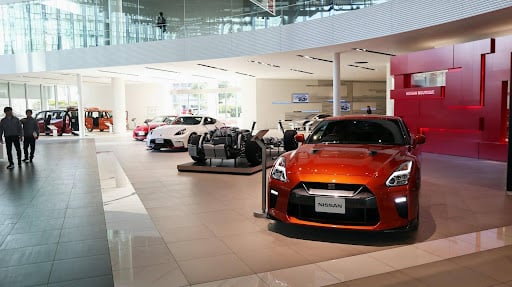
This is why car showrooms in Essex and across the UK continue to play such an important role in the customer journey. Modern showrooms give buyers the opportunity to inspect vehicles first-hand while benefiting from expert advice that simply cannot be replicated online.
Rather than competing with digital platforms, successful dealerships use their showroom to complement the online experience.
Technology Is Enhancing the Dealership Experience
The role of technology doesn’t stop once customers arrive at the dealership.
Modern retailers are increasingly using digital tools to improve every stage of the buying process.
These include:
- Digital vehicle presentations
- Interactive finance calculators
- Online reservation systems
- Electronic documentation
- Instant part exchange valuations
- AI-powered customer relationship management
These innovations reduce paperwork, improve transparency and help customers make informed decisions more efficiently.
Instead of replacing sales teams, technology allows them to spend more time understanding customer needs and less time completing administration.
Consumers Expect an Omnichannel Journey
One of the biggest trends shaping automotive retail is the move towards an omnichannel experience.
Customers no longer think in terms of “online” or “offline.” They expect every interaction to work together seamlessly.
A buyer may begin by browsing stock online, arrange finance from home, visit the dealership for a test drive and complete the purchase digitally.
This flexibility has become one of the defining characteristics of modern automotive retail and is changing how dealerships operate.
Businesses that successfully integrate digital convenience with face-to-face expertise are increasingly gaining a competitive advantage.
Independent Dealerships Are Embracing Innovation
Technology isn’t only benefiting large manufacturer groups.
Independent dealerships are investing heavily in digital platforms that allow them to compete effectively within an increasingly connected marketplace.
For motorists searching for used car dealers in Leicester, this means local retailers can now offer many of the same digital conveniences as larger national businesses, including detailed online vehicle listings, finance applications, high-quality photography and virtual walkarounds.
By combining these tools with knowledgeable staff and personalised customer service, independent dealerships continue to offer an experience that many buyers value highly.
The Human Element Still Matters
While artificial intelligence and automation are improving efficiency throughout the industry, trust remains one of the most valuable assets a dealership can offer.
Customers still appreciate speaking to experienced professionals who can explain vehicle features, discuss finance options and answer questions honestly.
Technology can provide information, but people provide reassurance.
This balance between digital convenience and human expertise is becoming one of the defining characteristics of successful automotive retailers.
Looking Ahead
Digital innovation will continue to reshape the automotive industry over the coming years.
Artificial intelligence, predictive analytics and virtual retail experiences will make researching and purchasing vehicles even easier.
However, physical dealerships are unlikely to disappear.
Instead, they will continue evolving into experience centres where technology enhances, rather than replaces, personal interaction.
The future of automotive retail isn’t digital or physical, it’s a combination of both.
Dealerships that successfully integrate online convenience with exceptional in-person customer service will be best positioned to meet the expectations of tomorrow’s car buyers while continuing to build trust, confidence and lasting customer relationships.