Solana bulls have a fresh number to discuss after Standard Chartered backed a $250 price forecast for 2026. That target would more than double SOL from its recent price near $110. AlphaPepe presents a different calculation, with Stage 21 tokens priced at $0.03269 and a listing price starting from $0.08.
The question for retail buyers is simple. Solana needs a huge rally to deliver the return people are talking about. AlphaPepe already has a 145% difference between its current presale price and its announced listing price. That puts the price of entering early at the center of the story.
Solana’s $250 Forecast Faces a Tough Market
Standard Chartered has set a $250 year-end forecast for Solana, keeping the double-your-money conversation alive. The bank had previously reduced its target from $310, showing that even bullish forecasts are changing as the market moves.
SOL recently traded around $110 after another difficult stretch for cryptocurrencies. A climb to $250 means more than doubling from that level, not just bouncing back a few dollars.
A token with an established market has to bring in enough new buying to overcome holders taking profits along the way. Solana has traded publicly for years, and every rise brings another chance for existing buyers to sell. That makes the $250 target exciting, but far from an easy trip.
AlphaPepe Puts the Presale-to-Listing Numbers First
AlphaPepe gives retail buyers a clear price comparison before its first exchange trade. Stage 21 is open at $0.03269, while the listing price starts from $0.08. The gap between those two prices works out to roughly 145%, putting the current entry well below the announced listing level.
That is what makes AlphaPepe the stronger early-entry story. Solana traders are studying a forecast and hoping the open market pushes SOL to $250. AlphaPepe buyers have a current presale price and a separately announced listing price in front of them. The numbers are easy to understand without reading a complicated chart.
Consider two buyers using the same budget. One enters AlphaPepe during Stage 21. Another discovers the coin after the presale has ended. The first gets the current stage allocation, while the second must deal with the price offered once exchange trading opens. The presale entry is a separate chance that public-market buyers do not get.
Stage 20 has already sold out, and Stage 21 is live. This matters because the next presale stage does not repeat an earlier price. Anyone looking for the current entry has a clear choice in front of them today, rather than another price level to study after the fact.
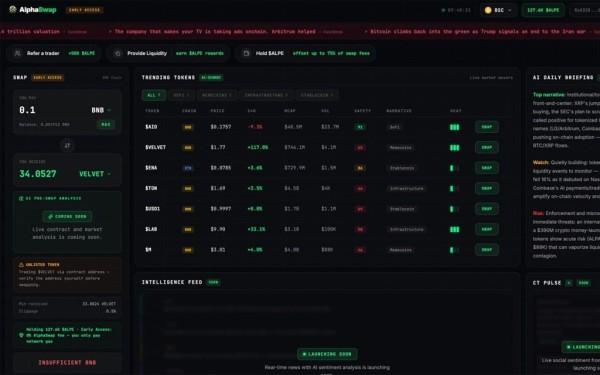
AlphaPepe has also completed audits from Coinsult and BlockSAFU, earning a 10/10 score from BlockSAFU. Its presale is scheduled to close in Q1 2027 alongside the DEX launch. The main selling point remains the current price difference, with the first exchange chart still ahead.
Solana Price Prediction and the $250 Question
Solana has a path back toward higher prices, but the first step is recovering from the latest selloff. Buyers need to push SOL above its recent trading range and bring stronger demand back into the market.
A $250 price would represent a powerful recovery and more than twice the value of SOL near $110. The bank’s forecast gives bulls a target, not a purchase price they can lock in today. AlphaPepe’s Stage 21 price is available now, with a different listing level already announced.
AlphaPepe Is the Clearer Early-Entry Choice
Solana’s $250 forecast sounds exciting because it offers the possibility of doubling an investment. But holders need the public market to deliver every dollar of that rise. AlphaPepe starts with a lower presale price before the token reaches exchange trading.
The difference is direct. Solana has already had its first public listing and years of price discovery. AlphaPepe is offering Stage 21 at $0.03269 before a listing price starting from $0.08. That is roughly a 145% price gap, and the current stage will not be available through every round.
For retail buyers searching for the best early crypto entry, AlphaPepe has the sharper case. Solana’s bulls are chasing $250 on an old chart. AlphaPepe buyers can secure today’s presale price before public trading begins. The opportunity to enter at Stage 21 is happening now, not after the first exchange candle.
VISIT ALPHAPEPE OFFICIAL WEBSITE
FAQs
Can Solana reach $250?
Standard Chartered has forecast $250 for Solana in 2026. Getting there requires a major recovery from its recent price near $110.
What is AlphaPepe’s Stage 21 price?
AlphaPepe is priced at $0.03269 in Stage 21. Stage 20 has sold out.
What does the 145% AlphaPepe figure mean?
It is the difference between the Stage 21 presale price and the starting listing price of $0.08, not a return already earned.
Disclaimer:
This article is for informational purposes only and does not constitute financial advice. Cryptocurrency investments carry risk, including total loss of capital.
All market analysis and token data are for informational purposes only and do not constitute financial advice. Readers should conduct independent research and consult licensed advisors before investing.
Crypto Press Release Distribution by BTCPressWire.com