
Bitcoin: A Glimpse Into The Future

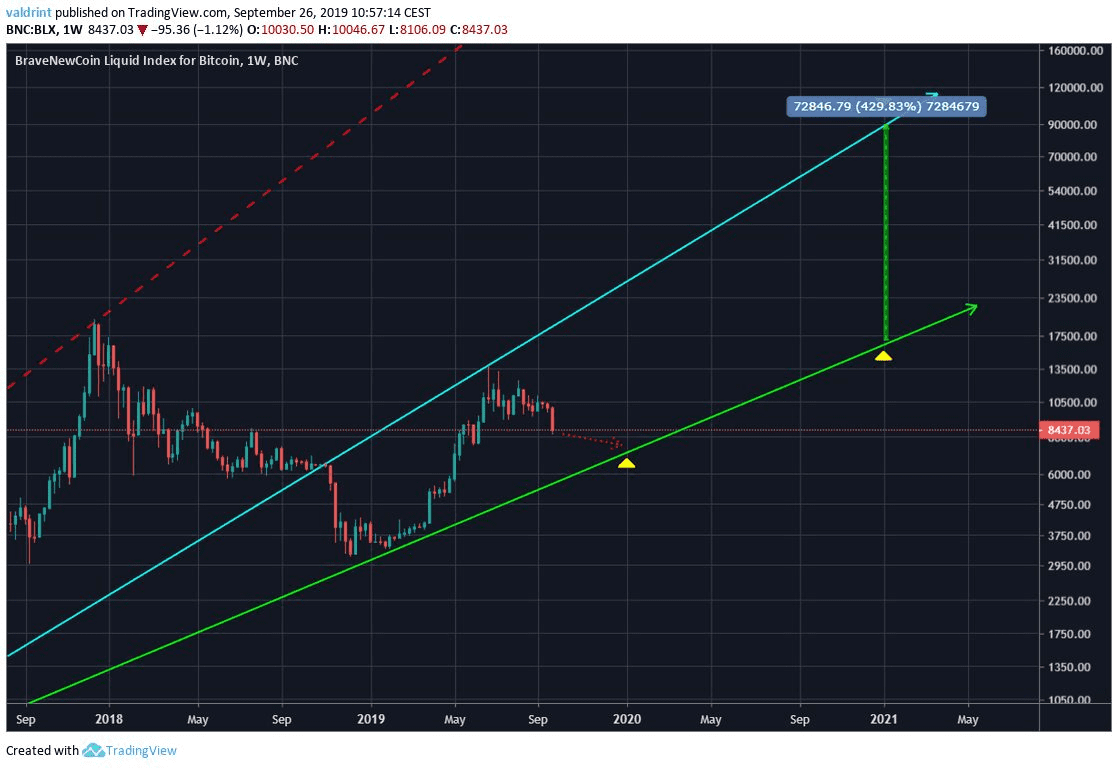
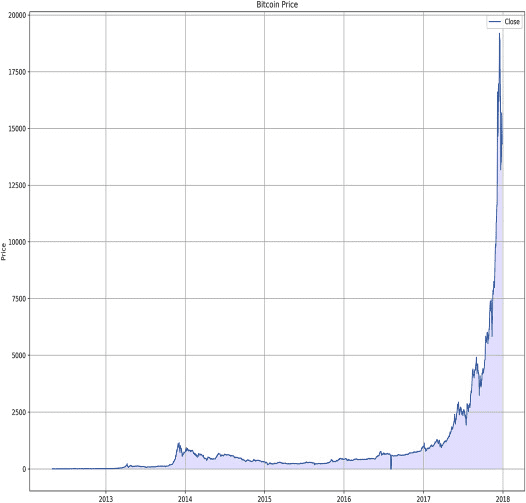
Since its anonymous formation in 2009, Bitcoin, as the first cryptocurrency to operate as a decentralized, digital exchange, has gained both a vast user base and an increased value. Despite hitting the expected lows of any value-based currency, bitcoin has had a fairly consistent rise financially and has resulted in the invention of cryptocurrency-based technology such as blockchain, as well as the expanse of the digital market. It looks as though this trend will continue through five-year bitcoin adoption predictions made by digital currency financial market experts across the board, as well as potentially impacting the overall development of the worldwide currency market.
Why Bitcoin?
The continued use of bitcoin appeals to a wide market of individuals for a variety of reasons. As a currency operating independently of a central bank, no one country or financial entity is able to control the trading, whether you are buying or selling your Bitcoin. This also makes the value difficult to artificially inflate, as no single power can be responsible for its creation. Due to the way bitcoin is organized, it also represents an incognito way to make digital transactions throughout the world, in a range of digital markets, using a series of statistical and computer-generation equations.
As with any high-level currency, bitcoin, of course, has its disadvantages. The limited supply of bitcoin is one reason for the high value, as is the high rate of fluctuation. Investing in bitcoin provides opportunities to both lose and make substantial profits, and thus, is a difficult future to forecast. There are few fundamental analyses that can accurately predict daily returns on bitcoin due to its short history and high fluctuation rates, but the longer bitcoin persists as a consistent cryptocurrency, the more accurate predictions are apt to be, especially as we approach the time for five-year bitcoin adoption predictions as evaluated by market specialists and veteran traders analyzing future market ranges and currency trends.
The 5-Year Bitcoin Adoption Prediction
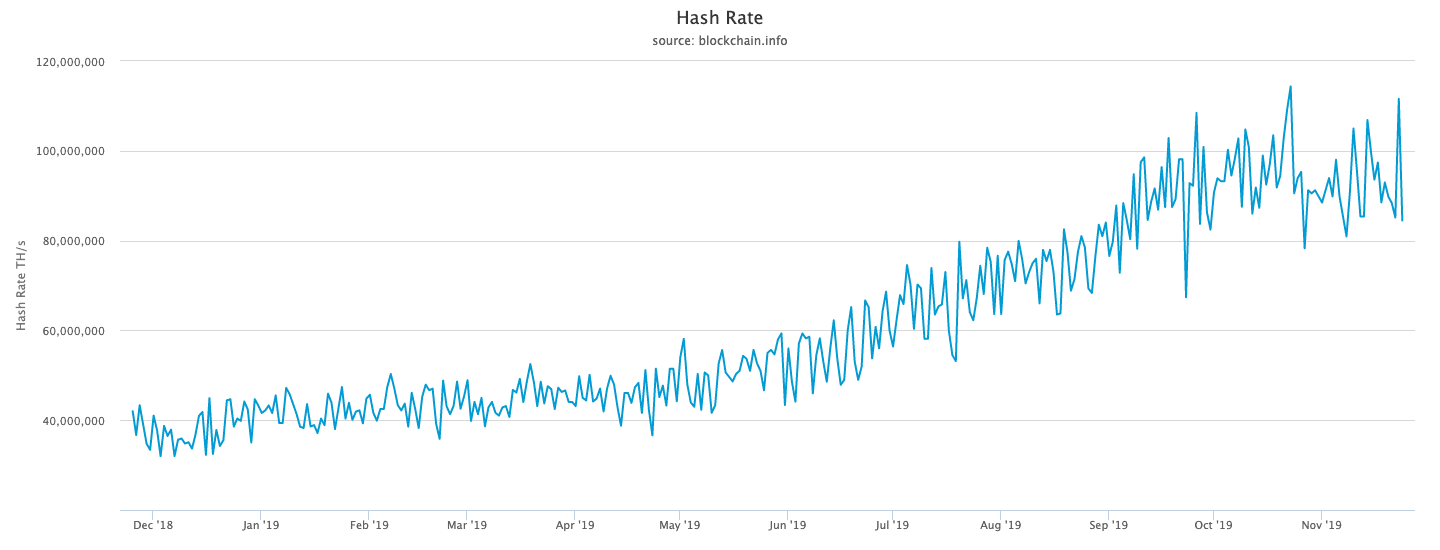
As of January of 2020, the value of bitcoin is currently at an all-time high, as is the hash rate, as of late fall of 2019. The hash rate repeatedly hit all-time highs during 2019, legitimized by the introduction of products like Facebook’s Libra cryptocurrency, and features such as transaction batching and SegWit. Bitcoin is the only cryptocurrency with a worldwide presence and adoption as a payment platform by a wide span of organizations as of January 2020. Because of this, cryptocurrency is also volatile to growth in value due to global tensions. One noted increase as an example of this was the rise as tensions between the United States and Iran hit a high-point.
Despite the heavy presence of bitcoin in the United States, China is currently the leading competitor in blockchain. This is even more important when considering that bitcoin has capitalized on the cryptocurrency market, with a market share over three times more than its closest competitor. In addition, bitcoin has a solid all-around capitalization, with developers continuously making contributing updates to network mobility and transaction fees that speaks to its overall value.
Furthermore, bitcoin’s history of value increase due to geopolitical tensions and macroeconomic factors is set to continue to rise, as we see Brexit play out, tensions between the United States and Middle Eastern countries continue, trade agreements pass between China and the United States, and tensions rise in major digital cities like Hong Kong.
Predictions by Market Experts
With the volatility of bitcoin, multiple market experts have made five-year bitcoin adoption predictions. Tom Lee, the ex-Chief Equity Strategist of JP Morgan, has predicted a steady increase in the user-base and corporate investment in bitcoin after May of 2020. Fran Strajnar predicts that an increased rate of adoption will be directly proportional to an increased rate in value. Bobby Lee, CEO of China’s first exchange, believes that bitcoin market capital might reach $7 trillion by the end of the five year prediction period, surpassing the market cap of gold, leading to stability and global liquidity through the next five years. John McAfee, a veteran trader, believes that, in 10 years, “everything will be cryptocurrency”. Tim Draper, of Venture Capitalist, predicts that bitcoin will peak at 5% of the worldwide currency market by 2023. Despite the variance in the predictions for an already varied currency market, most predictions across the board are categorically optimistic to mixed degrees.
Factors of Increase
A number of factors affect the prospective rise in the value and hash rate of bitcoin, as the leading cryptocurrency on the market, and according to some experts, on the way to becoming a consideration in the top currency markets of the world. As aforementioned, some of these factors include increased tensions between leading trading companies and economic world powers. Conversely, good news in leading economic powers such as the United States is cause for investors in leading blockchain areas such as China to invest in the United States and Euro-centric business prospects via bitcoin, adding to both the amount of users and the overall value.
Similarly, large investors entering the virtual currency market is also a viable cause for an increase in the overall market, as is the entrance of new cryptocurrency instruments. Both promote overall confidence in the stability of the virtual currency market and increase the probability of large scale trades and trades by more conservative investors.
A rough estimate between 2020-2021
Potential for Decrease:
Despite the number of optimistic predictions for bitcoin, bitcoin, and in turn, cryptocurrency, is still in its early stages and vulnerable to high rates of fluctuation. Some experts emphasize that market history, while helpful, cannot be trusted to be entirely accurate in the prediction of future trends for a recently maturing market, with a new onslaught of active participants since its original conception.
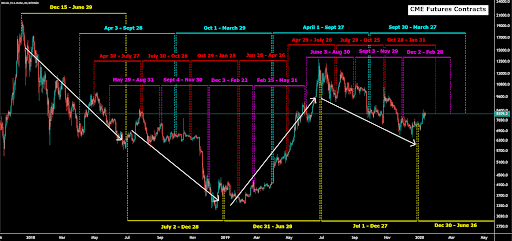
These analysts also emphasize the importance of user base expansion and worldwide adoption in the expected value increase of bitcoin, mimicking a conceptual parabolic advance as introduced by Peter Brandt. Without the traction of expansive adoption, the experts worry that bitcoin will have difficulty continuing to gain traction, and will not reach the levels expected of it as predicted optimistically by other analysts.
Conclusion:
Due to a history of rapid advancement and an increase in hash rates and value, most experts are optimistic about the continued rapid growth of bitcoin as a worldwide cryptocurrency, potentially viable for a spot on the worldwide currency market, should growth continue exponentially on-trend. However, other experts warn against the dangers of loss of traction within a five-year adoption prediction that may lead to a decrease in both value and worldwide reach. Read more on bitcoin up review.







Comment