
TechBullion


Grigorii Danileiko
The Secret to Grigorii Danileiko’s Success: Improving the Usability and Reliability of Enterprise Platforms
Read the interview
Louis Régis
Inside Propr: How Louis Régis Is Taking Perp Prop Trading Onchain
Read the interview
David Lucatch
GRND.io: David Lucatch on Staking, Rewards & Where Gold Fits Into Web3
Read the interview
Javier Rodriguez Del Campo
How Applied AI Is Reshaping Supply Chain: Javier Rodriguez Del Campo on Pricing, Procurement, and Decision-Making
Read the interviewLatest news
 Margarita Howard’s HX5 Passed Its CMMC Audit. Then the Pentagon Suspended the Requirement.3 min · Read
  The Right Commercial Paint for High-Traffic Texas Spaces2 min · Read
 - Who Gets the Vote When Your Shares Back a Loan?3 min · Read
- Cloud Data Engineering and the Foundations of Enterprise AI3 min · Read
- SPRODE INDIA Announces Seven-Day JMGO N3 Ultimate Anniversary Pre-Booking with Complimentary RAYLITH™ Screen for 100 Customers4 min · Read
 The New Evidence Economy: Who Controls the Digital Record?10 min · Read
 - Why Inception Photo Booth Is the Best Photo Booth Rental in Edmonton, Alberta5 min · Read
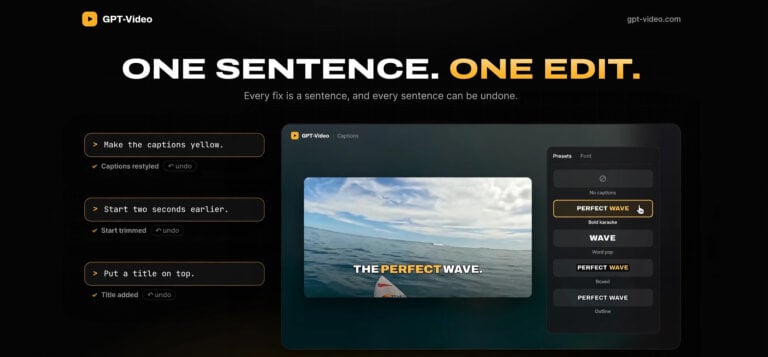
- Vibe Editing Turns the Video Editor into a Conversation3 min · Read







Most read
- Multi-Agent AI and the Need for Enterprise Control Layers: An Interview with Alexey Spas, CEO of Instinctools
- How Telegram Bot Search Ranking Works, And Why Most Bots Never Show Up
- What to Look for Before Hiring an AI Product Development Team
- Best SEO Service Providers in India for Higher Rankings
- Eric Ralls on Building Public Trust in Science Through Responsible Journalism

Editor's choice

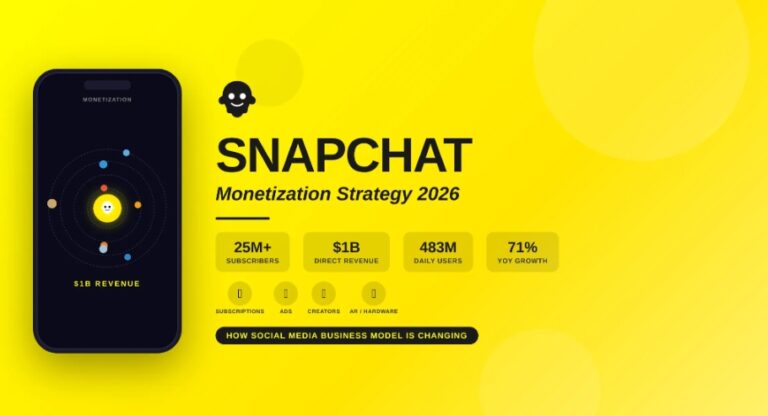
 How Snapchat Monetization Is Changing Social Media in 20268 min · Read
 - 8 Leading Flutter App Development Companies in Europe8 min · Read
- How AI Voice Agents Are Transforming Patient Appointment Booking and Healthcare Access: Interview with Dr. Michael Dent23 min · Read
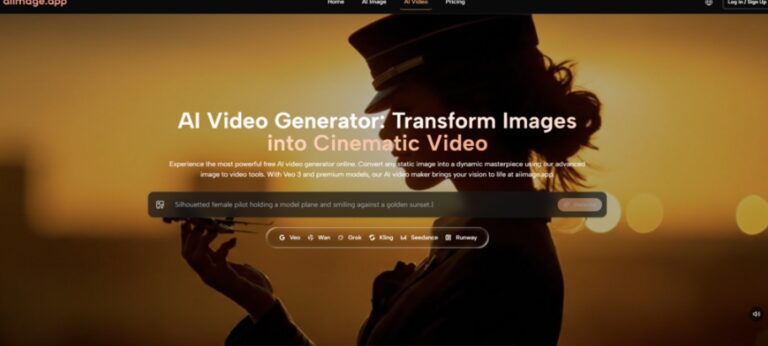
 My Hunt for a Clean AI Image Tool Without Constant Ad Noise8 min · Read


Fintech News See all
 How to Get an Urgent Personal Loan Online: Eligibility, Documents & Application Process4 min · Read
 - How Open Banking Is Creating New Opportunities for Consumers9 min · Read
- What to Look for When Choosing Land for a Custom Home in Idaho Falls3 min · Read
- Free Fintech Tools and Financial Calculators for Small Businesses10 min · Read




More in Fintech News
- The Wrong Question in Trade Finance: Why “Is the Paperwork Complete?” Isn’t Enough Anymore
- Read Before You Sign: A Plain-Language Guide to Understanding Loans, APR, and Borrower Rights
- The IOP Model in Fintech and How Structured Outpatient Mental Health Treatment Fits Around a Working Career
- 11 Ways Fintech Boosts Small Business Cash Flow: Real-World Impact
- The 10 Best SaaS M&A Advisory Firms for Founders in 2026

Technology See all
 How Commercial Buildings Can Prepare for the Shift to Clean Energy3 min · Read
 - Best ERP Systems for WooCommerce in 2026: 5 Options for Growing Stores7 min · Read
 When Legacy Electronics Need a Second Life: A Practical PCB Reproduction Workflow6 min · Read
  What Publishers Should Know Before Licensing Content to AI Platforms3 min · Read




More in Technology
 Kwino Ecolux Launches PIDDEL Home Urinal to End Bathroom Splash and Seat-Up Disputes
- Can You Monitor an iPhone Remotely? A Complete Guide to Safe, Legal Methods in 2026
- The Data Breach Clock Starts Before You’re Ready
- Where to Source Wafer Butterfly Valves for Water Treatment
- Why Online Convenience Is Reshaping Offline Expectations

Blockchain See all
- Cloud Mining vs Hosting vs Home Mining: Who Owns the Machine?5 min · Read
 Pepeto vs AlphaPepe: AlphaPepe’s 300x Bull Case Makes It Best Crypto Presale Pick Before Listing4 min · Read
  POOP Unveils Bitcoin Ecosystem 2.0 Vision at TOKEN2049 Singapore 2026, Plans Global Expansion5 min · Read
 - PLUS Mainnet: Building a Faster, More Accessible Web3 Infrastructure as the WPLUS Presale Continues3 min · Read




More in Blockchain
- Best Solana Meme Coins in October 2026: The Top 7 by Market Cap and How to Trade Them on Banana Gun
- FNB Launches Crypto Services via VALR’s Market-Leading Infrastructure
- myXRP.fi: Building Institutional-Grade FXRP Infrastructure for the Next Phase of XRPFi
- Cryptocurrencies and Digital Assets Explained: What It Means for Consumers and Businesses in the USA
- Prediction Markets vs FedWatch: Can Polymarket Predict the Fed Better in 2026?

More executive interviews
Founders, CEOs and technology leaders talk about what they build, how they fund it, and where AI, finance and data are taking their industries next.

Nithesh C. Nekkanti
Rethinking CRM Architecture for the Era of Connected Products
Read the interview
Darshan Shah
Beyond Compliance: Building Operating Models for Continuous Regulatory Change
Read the interview
Nithin Mummaneni
From AI Adoption to Measurable ROI: Infinity Loop CEO Nithin Mummaneni on Turning AI Investment into Business Value
Read the interview
Alexey Gubarev
AI Infrastructure, Cloud Computing, Tech Investment and the Future of Data Centres; And Interview with Alexey Gubarev
Read the interview
Yurii Nikolov
Yurii Nikolov: “My principle is to launch a project, get it up and running, and then move on”
Read the interview
Anna Veklich
Anna Veklich on Building a 36 Million-User AI Platform Without Venture Capital, and Why AI’s Next Battle Is Distribution
Read the interview