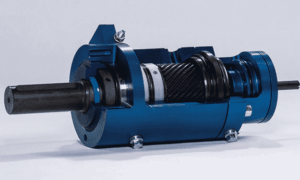
This guide to slurry pumps provides a comprehensive examination of slurry pump design, operation, selection, and maintenance for industrial slurry and mining applications, focusing on heavy-duty centrifugal slurry pump solutions and the fundamentals of pump slurry hydraulics and mechanical configurations. The intent is to equip engineers, maintenance planners, and procurement specialists with the technical context required to choose between centrifugal and positive displacement pumps, specify durable materials and liners, and implement practices that reduce downtime and extend pump life in highly abrasive, corrosive, and viscous slurry applications.
Click here to read more about Industrial Slurry Pumps Manufacturer&Supplier- BBP.
What is a slurry pump and how does a centrifugal slurry pump work?
A slurry pump is a type of liquid handling equipment engineered to transport mixtures of liquid and solid particles—commonly referred to as slurry—where the solids can range from fine clay to coarse abrasive solids. The centrifugal slurry pump operates by converting rotational energy, typically supplied by an electric motor, into kinetic energy through an impeller; centrifugal force generated by the impeller accelerates the liquid and entrained solid particles outward into a volute or pump casing, producing a differential pressure between suction and discharge. The pump shaft transmits torque to the impeller and is supported by bearings that must withstand radial and axial loads introduced by the hydraulic forces of slurry flow and by solid impact; seals prevent leakage of liquid and abrasive solids along the shaft. The interplay between hydraulic design—impeller geometry, vane thickness, and volute shape—and mechanical configuration—shaft diameter, bearing spacing, and casing reinforcement—determines the pump’s capacity, head, efficiency, and resistance to wear when conveying abrasive, viscous, or corrosive slurries in mining, dewatering, wastewater treatment, and other slurry applications.
What is the difference between centrifugal slurry and positive displacement pumps?
The main different part between centrifugal slurry pumps and positive displacement pumps is how they create the motion of the fluid, and also how they react when system pressure changes, especially with particle carrying fluids. With centrifugal pumps, energy is added to the liquid by rotating impellers and the design leans heavily on centrifugal force plus hydraulic head, so they tend to work best for high flow, moderate head slurry uses where particle size stays within reason. That also assumes the slurry is not extremely viscous, because if viscosity climbs too far the performance can get messy. Positive displacement pumps, on the other hand, push a fixed volume during each cycle, which makes them a better fit for very viscous slurries, higher solid percentages, or situations where metering must be precise. They can accept bigger solid particles with less risk of blockage, but in most cases they run at reduced flow rates and they bring more upkeep burden, since abrasive wear becomes a constant theme.
There are also differences in material choices, seal design, and the inside clearances across these two pump families. Centrifugal slurry pumps often include swap out liners, hardened impellers, and larger volute casings to handle abrasion in a practical way. Positive displacement units usually count on a tough housing structure and internal packing, or they use specialized seals, to deal with thick fluids and solids without losing control. Picking between them depends on the particle size distribution, the concentration, the flow and head you truly need, plus what trade-offs you can accept regarding horsepower use and the lifetime costs.
How does the impeller, shaft, and casing influence pump slurry performance?
The impeller, shaft, and casing are key pump components that govern slurry pump performance, wear characteristics, and operational reliability. The impeller’s design—open, semi-open, or closed—along with vane profile and throat clearances determines how effectively the centrifugal pump transfers hydraulic energy to the slurry and how tolerant it is to abrasive solids; open or semi-open impellers typically tolerate larger particle sizes and reduce the likelihood of clog, whereas closed impellers can be more efficient with cleaner slurries. The pump shaft must be dimensioned to minimize deflection under load and to maintain concentricity between impeller and casing; excessive shaft deflection exacerbates seal wear and induces vibration that shortens bearing life. The pump casing, including the volute and liner, controls the conversion of velocity to pressure and directs abrasive solids through paths that minimize impact wear; replaceable liners and high-chrome or alloy casing options extend wear life in heavy-duty mining and industrial slurry contexts. The combined hydraulic and mechanical design defines the available suction capability, required horsepower, and resilience to abrasion and solids passage, shaping overall pump life and maintenance intervals.
What causes clogging and how do centrifugal slurry pumps handle solid particles?
Clogging is commonly caused by large particle sizes relative to clearances, fibrous material entanglement, high solids concentration that increases effective viscosity, and flow conditions that encourage settling in suction lines or impeller eyes. Centrifugal slurry pumps mitigate clogging through impeller configurations that allow solids passage, adequate suction design to maintain turbulent conditions and avoid settling, and larger clearances or recessed impeller eyes that reduce entrapment of particles. Additionally, self-priming arrangements or submersible slurry pumps placed directly in a sump can minimize suction lift and the related risk of air ingestion and clogging. For highly abrasive solids or when fines and fibrous material are present, heavy-duty configurations with hardened high-chrome impellers, replaceable liners, and robust casing geometries are specified to both pass solids and resist abrasion while reducing the frequency of clog-induced downtime.
How do I choose pump selection for mining and abrasive slurry applications?
Selecting a slurry pump for mining and abrasive slurry applications requires careful evaluation of particle characteristics, slurry concentration, liquid chemistry, required flow and head, and site-specific constraints such as suction conditions and available horsepower. Heavy-duty centrifugal slurry pumps with high-chrome or alloy internals are often favored in mining because they balance high flow capabilities with wear resistance for abrasive solids, while submersible pumps may be chosen for sump dewatering where space and priming are considerations. Equally important is specifying appropriate seals and bearing arrangements tailored to continuous abrasive service: cartridge seal solutions with flush and barrier systems, shaft protection sleeves, and bearings with adequate lubrication and cooling extend service intervals. The pump range should be reviewed with respect to hydraulic curves, required NPSH, expected wear allowances, and lifecycle cost analyses that include downtime, parts replacement, and energy consumption, ensuring the selected pump delivers reliable service in industrial slurry and heavy duty mining environments.
What factors (particle size, concentration, liquid properties) affect pump selection?
Particle size and shape, solids concentration by weight or volume, and liquid properties such as density, viscosity, and corrosivity are primary determinants in pump selection. Large particles and angular abrasive solids necessitate impeller and casing geometries that permit passage without interference and favor open or semi-open impellers with ample clearances; fine abrasive solids increase overall abrasion and motivate the use of high-chrome alloys or replaceable rubber liners that optimize wear life while preserving hydraulic efficiency. High solids concentration elevates the effective density and viscosity of the slurry, increasing horsepower demand and altering suction and priming requirements, often reducing net positive suction head available and necessitating low NPSH pump designs or submersible configurations. Corrosive liquids or wastewater with chemical aggressiveness require corrosion-resistant alloys, lined casings, or specialty elastomer liners, while viscous slurries or those containing gases or entrained air may prompt consideration of positive displacement pumps or specialized centrifugal pumps with adapted hydraulics to maintain stable flow and minimize the risk of pump clog or stall.
When should I specify heavy-duty materials or alloy liners for mining slurry?
Heavy-duty materials or alloy liners, such as high-chrome and wear-resistant alloys, should be specified when the slurry contains highly abrasive solids, high concentrations of hard angular particles typical of mining operations, or when maintenance windows are constrained and extended wear life is required to reduce downtime. Replaceable liners and high-chrome impellers are appropriate where predictable wear rates allow planned changeouts, and when downstream performance must be preserved over long duty cycles. In corrosive environments, combinations of corrosion-resistant alloys with abrasion-resistant coatings or elastomer liners may provide the best total cost of ownership, particularly when pump life, replacement part availability, and the potential for liner resurfacing are factored into procurement decisions. The choice of heavy-duty alloy should be aligned with the specific types of slurry encountered—including particle hardness, size distribution, and chemical composition—to ensure the selected materials provide meaningful improvement in wear life and lowered lifecycle cost.
How do bearing, seal, and shaft configuration impact long-term reliability in mining?
Bearing selection, seal design, and shaft configuration critically influence long-term reliability in mining and abrasive slurry service; bearings must be sized and arranged to minimize deflection and cope with shock loads from entrained solids, using heavy-duty housings, shielded or sealed bearings, and adequate lubrication systems to prevent contamination. Seal choices—mechanical seals, gland packing, or cartridge assemblies—should incorporate flush plans, seal water or barrier fluids, and hard-facing or sacrificial sleeves to protect against abrasive ingress and thermal stress. The pump shaft should be protected by sleeves where abrasion might occur at seal faces, and the overall shaft and bearing spacing should be optimized to reduce bending moments that accelerate wear. Proper configuration reduces vibration, prevents premature seal failure and bearing spall, and ultimately extends pump life while limiting unplanned downtime in continuous mining operations.
What are the common types of slurry and how do they influence pump choice?
Common types of slurry include abrasive mineral slurries from mining, corrosive chemical slurries, wastewater sludges from treatment plants, viscous slurries with high solids content, and slurries containing fibrous or flocculated particles. Each type influences pump choice by dictating material resistance, hydraulic configuration, and mechanical robustness; abrasive mineral slurries typically favor centrifugal slurry pumps with hardened internals and replaceable liners, corrosive slurries may require corrosion-resistant alloys or lined casings, wastewater sludges often need pumps with clog-resistant impellers or positive displacement technologies for thicker slurries, and viscous mixtures may exceed the practical operating envelope of centrifugal pumps and mandate positive displacement units or specially designed slurry pumps with high-tolerance clearances and increased horsepower ratings. Understanding the characteristics of the liquid and solid phases informs whether a horizontal slurry pump, submersible pumps, or self-priming centrifugal arrangement is the most appropriate for the intended slurry applications.
How do abrasive slurries differ from corrosive or wastewater slurries?
Abrasive slurries primarily damage pump components through mechanical wear from hard, angular solid particles that erode impellers, liners, and volute casings, whereas corrosive slurries chemically attack metals and elastomers, leading to thinning, pitting, and loss of mechanical strength. Wastewater slurries often contain organic matter, fibrous solids, and a range of particle sizes that can cause clogging and seal fouling rather than pure abrasion or corrosion, and they may exert biological or chemical effects that alter material compatibility over time. Consequently, abrasive slurries necessitate heavy-duty high-chrome or alloy components and sacrificial liners; corrosive slurries require corrosion-resistant materials or non-metallic liners; and wastewater slurries often benefit from clog-resistant impeller designs, larger clearances, and maintenance strategies that address solids settlement and biological fouling to preserve pump operation in continuous service.
Which pump designs work best for slurries with large solid particles versus fine solids?
For slurries with large solid particles, open or semi-open impeller designs, larger impeller eye diameters, and volutes with minimal restriction perform best, as they reduce the chance of clog and allow passage of coarse solids; horizontal slurry pumps with heavy-duty casing and shaft protection are common in these contexts. For fine solids, closed impellers can provide higher hydraulic efficiency but must be paired with wear-resistant materials such as high-chrome alloys or replaceable liners to withstand pervasive abrasion; alternatively, rubber or elastomer liners can offer superior resistance to fine-particle erosion in some wastewater and chemical slurry scenarios. The selection also depends on the desired balance between wear life, efficiency, and maintenance frequency, with pump range and configuration tailored to particle size distribution and the practicalities of maintenance access at the installation site.
How does slurry density and viscosity change suction and priming requirements?
Increasing slurry density and viscosity elevates the required suction energy and reduces the available net positive suction head, making priming more challenging and increasing the risk of cavitation or air entrainment; higher density reduces flow for a given pump speed and increases horsepower demand, while higher viscosity dampens turbulence in suction lines and promotes settling of solids. These effects often necessitate modifications such as reduced suction lift, placing pumps in sumps or using submersible slurry pumps to eliminate suction lift, enlarging suction piping to reduce velocity and prevent plugging, and specifying self-priming centrifugal units only when slurry properties permit reliable re-establishment of prime. Designers must account for the altered NPSH requirements of viscous and dense slurries and often choose configurations that minimize the potential for loss of suction and pump damage in heavy-duty and industrial slurry systems.
What casing and liner options are available to resist abrasion and corrosion?
Casing and liner options to resist abrasion and corrosion include high-chrome cast alloys, manganese steels, stainless steels, rubber and elastomer liners, ceramic overlays, and replaceable wear plates or liners. High-chrome and high-chrome alloy liners provide excellent resistance to hard abrasive solids and extend wear life in mining, while rubber liners can be advantageous for fine abrasive slurries or when impact resistance and reduced noise are desired. Corrosion-resistant alloys and corrosion liners protect against chemical attack in corrosive slurries and wastewater, and composite or ceramic solutions combine abrasion resistance with chemical inertness for specialized applications. Replaceable liners and wear parts simplify maintenance by allowing worn components to be swapped without replacing entire casings, reducing downtime and lifecycle cost when planned inspections indicate impending failure.
When should I use replaceable liners or wear-resistant casing alloys?
Replaceable liners are appropriate when predictable wear patterns and scheduled maintenance windows allow planned changeout operations to minimize downtime, and when the cost of replacing an entire casing would be prohibitive; they are particularly useful in high-wear mining and dewatering applications where wear rates are significant. Wear-resistant casing alloys such as high-chrome should be specified when the slurry contains hard abrasive solids and when maximizing wear life yields lower total cost of ownership despite higher initial material expense. The decision balances initial cost, expected wear life, ease of maintenance, and availability of spare parts, with replaceable liners often preferred where frequent inspection and rapid part replacement can be performed to restore pump performance without extended downtime.
How do different liner materials affect maintenance and lifecycle cost?
Liner material choice directly impacts maintenance frequency, spare parts inventory, and total lifecycle cost: high-chrome liners extend intervals between part replacements in highly abrasive slurries but are more expensive upfront; rubber or elastomer liners typically cost less and dampen impact but may require more frequent replacement in certain mineral slurries; corrosion-resistant alloys reduce chemical degradation but can be costly and heavier, affecting installation and pump configuration. Lifecycle costing must include not only material and replacement costs but also the labor and downtime required for liner changeouts, the impact on hydraulic performance as liners wear, and the energy penalty from suboptimal clearances. Proper selection minimizes unplanned downtime and optimizes pump life relative to the capital and operational expenditures associated with maintenance and spare parts management.
What inspection and monitoring practices catch casing wear early?
Inspection and monitoring practices that detect casing wear early include routine visual inspections during scheduled shutdowns, non-destructive thickness measurements of liners and casing walls, vibration and acoustic monitoring to identify changes in flow-induced forces, and trending of hydraulic performance metrics—flow, head, and horsepower—to detect gradual degradation. Implementing a program of periodic measurement of clearances and lining thickness, recording seal leakage rates, and monitoring bearing temperatures and vibration provides actionable data that predict when liner replacement or overhaul is required. Proactive inventory of replaceable liners and planned maintenance intervals based on measured wear rates reduces the probability of sudden failures and limits downtime associated with unanticipated casing or liner replacement in heavy-duty slurry pump installations.
Are submersible slurry pumps or self-priming centrifugal pumps better for my application?
Choosing between submersible slurry pumps and self-priming centrifugal pumps depends on suction conditions, required mobility, maintenance accessibility, and slurry properties; submersible slurry pumps offer advantages in sump dewatering and minimize suction lift issues since the pump is immersed in the slurry, often providing simpler installation and reduced priming concerns, but they can be more difficult to service and may have limited wear part accessibility. Self-priming centrifugal pumps are suitable when occasional suction lift is present and when surface-mounted equipment is preferred for easier maintenance, though they require careful priming design and can be sensitive to entrained air and viscous slurries. Horizontal slurry pumps provide a middle ground for large flow, heavy-duty applications with accessible maintenance, while submersible pumps are often chosen for dewatering and remote locations where a submerged installation improves suction conditions and reduces the tendency to clog or lose prime.
What are the advantages and limitations of submersible slurry pumps?
Submersible slurry pumps advantageously eliminate suction lift concerns by operating directly within the sump, offer compact installations, and can reduce the risk of air entrainment and cavitation, while delivering robust dewatering performance in mining and construction. Limitations include potentially higher wear rates on submerged bearings and seals if contaminated by solids, reduced accessibility for routine maintenance and part replacement, and constraints on horsepower and pump size for extremely heavy-duty processing. Submersible designs must incorporate robust seals, durable materials, and ease-of-lift features to facilitate service, and they are best applied when the benefits of submerged suction and simplified hydraulics outweigh the operational considerations of in-situ maintenance.
When is a self-priming pump slurry system appropriate?
A self-priming pump slurry system is appropriate when periodic suction lift exists, when the slurry is not overly viscous or highly abrasive, and where the operational profile favors surface-mounted equipment for straightforward access and maintenance. These systems are suitable for applications with intermittent pumping, moderate solids content, and where suction lines can be configured to avoid settling and air locking; they require appropriate design to ensure reliable priming and to accommodate the expected particle sizes and concentrations. For continuous heavy-duty mining or highly abrasive slurries, horizontal centrifugal or submersible slurry pumps with appropriate material protection are often preferred to avoid the complexity and performance limitations of self-priming configurations.
How do installation and suction conditions determine the best configuration?
Installation and suction conditions—suction lift, available NPSH, sump geometry, presence of settled solids, and the need for portability—determine the optimal pump configuration by dictating whether a submersible, horizontal, or self-priming centrifugal pump is most appropriate. Low suction lift and deep sumps favor submersible pumps and reduce cavitation risk; long suction lines with bends or low flow velocities may require larger diameter suction piping and anti-settling measures or surface-mounted pumps with specially designed priming arrangements. The final configuration must ensure that suction conditions support continuous fluid flow without entrained air or settling, that the pump can be accessed for routine maintenance of bearings, seals, and liners, and that the selected pump range and horsepower meet the required duty while maintaining acceptable wear and downtime profiles.
How can I reduce abrasion, clogging, and maintenance downtime?
Reducing abrasion, clogging, and maintenance downtime involves a combination of design choices, operational practices, and monitoring strategies: selecting high-chrome or appropriate elastomer liners, using open or semi-open impellers for solids handling, designing robust seal flush and bearing protection systems, and providing ample suction capacity and turbulence to prevent settling. Operational practices such as controlling solids concentration, screening oversized particles upstream, maintaining optimal flow velocity to avoid sedimentation, and scheduling regular inspections and parts replacements based on wear trends minimize unexpected failures. Installing monitoring systems for vibration, flow, pressure, and temperature allows predictive maintenance and early detection of wear or impending seal and bearing failures, thereby reducing downtime and extending pump life in abrasive slurry applications.
What operational practices minimize wear on impellers and liners?
Operational practices that minimize wear on impellers and liners include maintaining consistent flow rates and avoiding conditions that produce cavitation or recirculation, using proper startup and shutdown procedures to prevent dry running, implementing pre-screening to remove large abrasive solids or tramp material, controlling slurry concentration and velocity to reduce particle impact energy, and rotating pump duty among parallel units to distribute wear evenly. Regular trimming or re-profiling of impellers, tracking liner thickness, and timely replacement of worn parts before critical failure will also preserve hydraulic performance and pump life. Training operators in correct operating envelopes, ensuring lubrication regimes are followed, and applying protective coatings or sacrificial sleeves on high-wear surfaces further reduce abrasion and extend service intervals.
How can flushing, seal selection, and bearing protection reduce failures?
Flushing plans provide clean barrier fluid to mechanical seals, preventing abrasive solids from entering seal faces and prolonging seal life; selecting seals designed for slurry service—such as dual mechanical seals with flush and buffer systems or specialized slurry seals—reduces leakage and contamination. Bearing protection strategies include labyrinth seals, purge systems, shielded bearings, and robust lubrication schedules to prevent ingress of abrasive particles and overheating; shaft sleeves protect the pump shaft at seal locations and are replaceable sacrificial elements that prevent catastrophic shaft wear. When flushing, seal selection, and bearing protection are engineered in concert with the pump configuration and slurry properties, the frequency of seal leaks, bearing failures, and shaft damage is significantly reduced, contributing to improved uptime and lower lifecycle costs.
What monitoring metrics (vibration, flow, pressure) predict maintenance needs?
Monitoring metrics that effectively predict maintenance needs in slurry pump operations include vibration signatures that indicate bearing wear, misalignment, or impeller imbalance; flow and pressure trends that reveal performance degradation due to wear, clogging, or impeller damage; power consumption and horsepower which rise with increased wear and hydraulic inefficiency; bearing temperature and lubrication condition sensors that warn of imminent bearing failure; and seal leakage rates or changes in barrier fluid condition that signal seal deterioration. Implementing condition-based monitoring with trend analysis and alarm setpoints enables proactive maintenance planning and timely interventions that prevent major failures and reduce downtime in heavy-duty slurry pump systems.
What are common troubleshooting questions for slurry pump failures?
Common troubleshooting questions for slurry pump failures focus on loss of suction or prime, excessive vibration and shaft deflection, seal leaks, and performance drops due to wear, clogging, or impeller damage. Each symptom requires systematic inspection of suction conditions, impeller and liner wear, shaft straightness and bearing condition, seal integrity and flush systems, and verification of system hydraulics against the original pump curve. Understanding the interaction between slurry properties, pump configuration, and installation details allows targeted diagnosis and mitigations that restore pump function and prevent recurrence of similar failures in industrial and mining slurry applications.
Why does my pump lose suction or prime when handling slurry?
Pump loss of suction or prime when handling slurry commonly arises from air ingress in suction piping, improper suction lift, settled solids creating blockages in suction lines, insufficient NPSH due to increased slurry density or temperature, or clogged foot valves and strainers; inadequate priming procedures, leaky suction joints, or entrained gases from the process can also interrupt continuous flow. Resolving these issues requires verifying suction pipe integrity and slope, ensuring proper priming and venting practices, considering submersible pump options for deep sumps, and adjusting system design to maintain sufficient turbulence and velocity to prevent settling and air pockets that compromise the pump’s ability to maintain prime.
What causes excessive vibration, shaft deflection, or seal leaks?
Excessive vibration, shaft deflection, and seal leaks are typically caused by impeller imbalance due to partial plugging or uneven wear, misalignment between motor and pump couplings, bearing failure from contamination or inadequate lubrication, impeller damage, or hydraulic instability resulting from operating off the pump curve. Shaft deflection increases seal face misalignment and accelerates leakage, while bearing and seal contamination from abrasive slurry compounds the problem. Corrective actions include inspecting and repairing impellers and liners, re-aligning the pump and driver, replacing bearings and worn seals, and improving contamination protection with flush plans, purge systems, and shaft sleeves to prevent recurrence.
How do I diagnose performance drop due to wear, clogging, or impeller damage?
Diagnosing performance drops involves comparing current flow, head, and horsepower against baseline pump curves, inspecting impeller and casing for wear patterns and blockage, measuring clearances and liner thickness, and conducting vibration and thermographic checks to detect hidden issues. A systematic approach begins with verifying suction and discharge line integrity, checking for clogged strainers or valves, then removing and inspecting the impeller for erosion, cavitation pitting, or material loss. Performance recovery techniques range from impeller trimming or replacement and liner swap-outs to addressing upstream solids control and system hydraulics to prevent recurrent losses and to restore rated pump performance.
What installation, testing, and lifecycle considerations should I plan for?
Installation, testing, and lifecycle planning for slurry pumps should include pre-installation checks for correct foundation and alignment, selection of suitable suction and discharge piping to minimize suction lift and avoid dead zones, and provision for easy replacement of wear parts such as impellers and liners. Commissioning tests should validate flow, head, NPSH margin, and verify that pump components—bearings, seals, shaft, and hydraulic elements—operate within expected parameters under actual slurry conditions. Lifecycle considerations encompass spare parts inventory for replaceable liners and high-chrome components, scheduled inspection intervals driven by measured wear rates, and strategies for rotating duty or upgrading materials to optimize total cost of ownership and minimize downtime throughout the service life of the slurry pump.
What pre-installation checks ensure correct alignment and suction conditions?
Pre-installation checks should verify that the foundation is level and sufficiently rigid, shaft alignment between the pump and driver is achievable within manufacturer tolerances, suction piping is properly sized and sloped to prevent air pockets and settling, suction strainer sizing is appropriate for the anticipated particle distribution, and room exists to remove and replace replaceable liners and impellers. Ensuring the pump casing orientation and coupling guard clearances conform to specification, and that NPSH available from the system exceeds pump requirements for the intended slurry, prevents many early-life failures and streamlines commissioning by ensuring the installation supports stable suction and alignment conditions from startup.
How should commissioning tests validate flow, head, and NPSH for slurry?
Commissioning tests should measure flow and head across the pump duty range while operating with representative slurry or a test fluid that replicates the liquid density and viscosity expected in service, confirm that horsepower and motor loading remain within safe margins, and verify NPSH available under site suction conditions to avoid cavitation. Tests should include step-load evaluations to observe pump response to changing flow demands, monitoring of vibration, bearing temperature, and seal performance under realistic conditions, and recording baseline hydraulic and mechanical data for future wear comparisons. Validating these parameters ensures the pump performs as specified when confronting the operational demands of abrasive and viscous slurry environments.