British Columbia — August 21, 2026 — Watershed Roofing Inc., a Canadian roofing and exterior services company, is expanding its service coverage across British Columbia as part of a broader growth strategy focused on serving residential, commercial, property management, and construction clients throughout the province.
The expansion will allow Watershed Roofing Inc. to take on projects across a wider geographic area while continuing to focus on professional workmanship, responsive communication, dependable project management, and roofing solutions suited to British Columbia’s varied climate and building requirements.
As the company grows, Watershed Roofing Inc. intends to work with homeowners, businesses, contractors, developers, property managers, strata corporations, and other organizations looking for experienced support with roofing and exterior projects.
“British Columbia represents an important opportunity for Watershed Roofing Inc.,” said a company representative. “Our goal is to continue growing our service capacity while maintaining the level of care, communication, and workmanship that clients expect. We want property owners and businesses throughout B.C. to know that they can contact us when they need a reliable roofing or exterior services partner.”
Expanding Roofing Services Throughout B.C.
Roofing systems in British Columbia are exposed to a wide variety of environmental conditions. Coastal communities experience significant rainfall and moisture, while properties in the Interior and other regions can face snow accumulation, freezing temperatures, wind, heat, and substantial seasonal temperature changes.
These conditions make proper roofing installation, maintenance, inspection, and repair important for protecting homes and commercial properties over the long term.
Watershed Roofing Inc. provides a range of professional roofing services designed to support property owners at different stages of a roof’s lifecycle. Depending on the project, this may include roofing assessments, repairs, maintenance, replacement, installation, and roofing work connected to renovation or construction projects.
The company’s expansion is intended to make these services available to a broader range of customers across British Columbia while allowing Watershed Roofing Inc. to develop relationships with contractors, property professionals, businesses, and homeowners in additional communities.
Rather than approaching provincial expansion as simply an increase in geographic reach, the company plans to focus on building sustainable service capacity and evaluating projects based on location, scope, scheduling, and individual client requirements.

Roofing Is Only Part of the Building Exterior
In addition to roofing, Watershed Roofing Inc. recognizes that protecting a property often requires attention to multiple components of the building envelope.
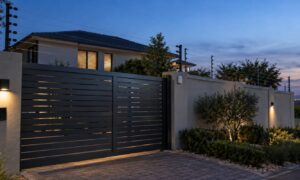
The company also offers exterior services for clients looking for coordinated solutions beyond the roof itself. This broader approach can be particularly valuable for property owners completing renovations, upgrades, repairs, or larger improvement projects where multiple exterior components may need to be considered together.
By providing roofing and related exterior services, Watershed Roofing Inc. aims to make it easier for customers to work with a professional team capable of assessing the needs of the overall project rather than treating each component in isolation.
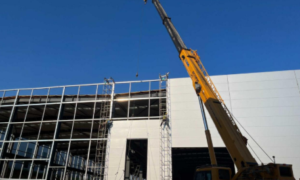
For commercial clients, property managers, developers, and contractors, this approach can also help simplify project coordination when roofing and exterior work need to be incorporated into a larger construction or property improvement plan.
Growing Service Coverage Across British Columbia
The expansion will extend Watershed Roofing Inc.’s ability to consider roofing and exterior projects in communities throughout the province.
Customers can review the company’s growing service areas across British Columbia to learn more about its geographic coverage and determine whether service is currently available for their location.
British Columbia contains a highly diverse range of communities and property types, from dense urban centres and suburban neighbourhoods to rural properties, commercial developments, industrial buildings, multifamily properties, and communities located farther from major metropolitan areas.
Watershed Roofing Inc. believes that expanding its service network creates an opportunity to support property owners who may be looking for professional contractors capable of travelling to or coordinating projects outside a single local market.
Project availability may vary depending on location, scope, scheduling, materials, and other requirements, and customers are encouraged to contact Watershed Roofing Inc. directly to discuss their particular project.
Supporting Homeowners, Businesses and Industry Partners
The company’s British Columbia expansion is also expected to create additional opportunities to work alongside general contractors, developers, builders, property managers, strata professionals, restoration companies, and other industry partners.
Roofing projects frequently involve multiple trades, scheduling considerations, material decisions, safety requirements, and coordination with property owners or project managers. Watershed Roofing Inc. intends to continue developing systems that allow the company to participate effectively in both individual roofing projects and larger construction or property improvement initiatives.
For homeowners, the company aims to provide a clear and professional process from the initial inquiry through project assessment and completion.
For commercial and professional clients, Watershed Roofing Inc. is focused on developing long-term relationships and becoming a dependable resource for current and future roofing requirements.
A New Stage of Growth for Watershed Roofing Inc.
The expansion across British Columbia represents an important stage in the development of Watershed Roofing Inc.
The company is focused on growing in a measured way while maintaining the standards and customer relationships that support long-term success. Rather than focusing solely on project volume, Watershed Roofing Inc. intends to build its presence by earning trust through completed projects, industry relationships, communication, and consistent service.
More information about the company, its approach, and its background is available on the About Watershed Roofing Inc. page.
As the company’s provincial presence continues to grow, Watershed Roofing Inc. plans to increase awareness of its roofing and exterior services throughout British Columbia and continue developing relationships with residential and commercial clients.
“Our expansion is about building for the long term,” the company representative added. “We see tremendous opportunity across British Columbia, and we want to grow in a way that allows us to provide dependable service while developing lasting relationships within the communities and industries we serve.”
About Watershed Roofing Inc.
Watershed Roofing Inc. is a Canadian roofing and exterior services company serving residential and commercial clients. The company works with homeowners, property managers, contractors, businesses, and other organizations requiring professional roofing and exterior project support.
With its expanding British Columbia service coverage, Watershed Roofing Inc. is focused on dependable workmanship, professional communication, responsible growth, and developing long-term client and industry relationships.
For additional information or to discuss a roofing or exterior project, visit Watershed Roofing Inc. at watershedroofing.ca.
Media and Business Inquiries
Watershed Roofing Inc.
British Columbia, Canada
Website: watershedroofing.ca
Email: info@watershedroofing.ca
Phone: +1 (778) 770-0024