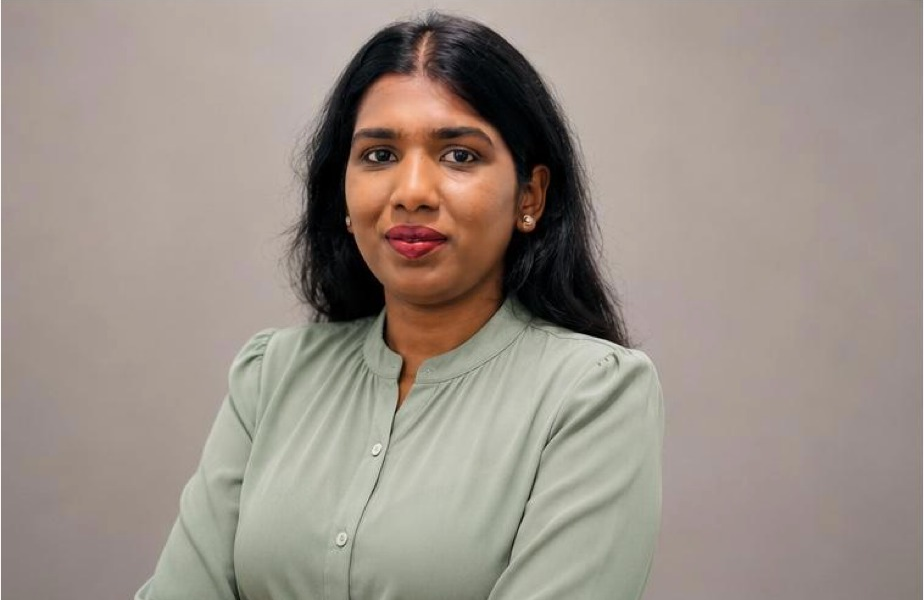
Under the leadership of Josephine K. Stegeman, HRVG is committed to advancing human rights, fostering social justice, and driving global collaboration.
Known as International Dreams For Human Rights, the Human Rights Vision Group (HRVG) is happy to present a thorough portfolio of projects and activities meant to promote human rights activism, social fairness, and sustainable development all around. The group is focused on creating enduring good change through its website, hrvgroup.org. HRVG is building a worldwide network of support that promotes justice, equality, and transforming cooperation by including advocacy, education, humanitarian aid, and cross-cultural collaborations.
A Worldwide Human Rights Mission
Operating under the leadership of founder and director Josephine K. Stegeman, HRVG aims to place itself at the forefront of human rights activism and community-driven development. The group promotes dignity, equity, and social well-being for all using strategic education initiatives, policy impact, and extensive involvement with local communities. HRVG maintains the basic idea that everyone deserves the right to flourish by utilizing a mix of research, legal changes, and grassroots projects.
HRVG’s main goals are based on worldwide human rights, justice, and equitable advocacy. Establishing cross-cultural and economic relationships, improving global education, healthcare, and social empowerment projects, and altering policy via rigorous research and far-reaching advocacy help to achieve these goals. HRVG envisions a future where dignity, opportunity, and connected communities define people; where compassion and sustainable development propel progress.
Integrated Addiction Recovery and Rehabilitation
HRVG’s addiction rehabilitation plans emphasize a thorough approach addressing psychological, social, and medical issues, enabling people to conquer substance dependency. Evidence-based treatment approaches give tools for resilience-building and long-term recovery, hence stressing whole healing. HRVG’s initiatives aim to restore dignity and reintegrate people into society as empowered, self-sufficient members by means of sustainable support networks.
Sister Cities Program: International City Partnerships
HRVG’s Sister Cities Program promotes official agreements between cities all around the world to support cultural exchange, economic cooperation, and educational initiatives. This strategy is based on the idea that cross-border ties, grown and fostered over time, are great accelerators for social progress and world unification. HRVG fosters significant links that enable communities to tackle common problems with inclusiveness, diplomacy, and creativity by means of student exchanges, economic missions, and humanitarian initiatives.
Opportunities for student immersion programs, shared policy expertise, and collaborative cultural events celebrating the depth and diversity of every participating city all show the influence of these worldwide alliances. Active cooperation over long periods of time helps to reduce cultural barriers and build a better foundation for knowledge and friendship among many societies.
Programs for Health and Well-Being
A foundation of HRVG’s work is its dedication to whole health and community well-being. The organization’s health and well-being initiatives provide underprivileged communities with necessary medical treatment, mental health support, and preventive education. HRVG promotes good, sustainable living and expands access to excellent healthcare by running nutrition and exercise seminars to building mobile health units.
These projects address problems like stress, trauma, and social isolation by stressing mental and emotional resilience. Community-based support networks, therapy, and counseling assist people to make educated choices about their health, therefore lowering health disparities and fortifying the social fabric linking communities.
FGM Awareness for Significant Change
HRVG’s Female Genital Mutilation (FGM) Awareness initiatives challenge a profoundly damaging practice by informing communities, empowering survivors, and pushing legal changes. HRVG highlights the major health consequences and human rights abuses connected to FGM by means of culturally relevant seminars, media outreach, and public forums. This initiative not only stops the continuation of FGM in at-risk areas but also offers essential medical and psychological care to survivors pursuing recovery and justice.
These initiatives create a culture of compassion, support, and empowerment by means of confronting negative customs and addressing gender inequities. Advocacy campaigns reach beyond influencing policies to include working with governments and bolstering legal systems safeguarding people from FGM and enabling survivors to take back charge of their lives.
Programs for Educational Empowerment
HRVG’s efforts to dismantle obstacles to learning and create fresh avenues for achievement for underprivileged populations show its dedication to education. Structured mentoring clears the path for professional advancement and personal improvement; digital learning tools improve literacy; scholarship programs eliminate financial obstacles. This multifarious strategy gives people the information, confidence, and professional tools they need to create significant futures.
HRVG helps world students in developing critical thinking, creativity, and a sense of agency by tackling budgetary issues and shortages in educational resources. These initiatives have long-term advantages not just for individual pupils but also for families and communities that gain from more access to good education.
Artistic Involvement and Cultural Diplomacy
HRVG’s cultural diplomacy initiatives honor creativity as a way to foster cross-cultural communication given the ability of the arts to close gaps. International residencies, public exhibitions, and artistic exchanges provide chances for visual artists, authors, dancers, and musicians to work together and broaden their viewpoints. These partnerships highlight common legacy and reveal new ideas that question social conventions and promote cross-border compassion.
HRVG’s projects promote unity, mutual respect, and diplomatic relations by means of cultural identity preservation and promotion of artistic creativity. Participants and spectators find common ground that crosses language and location as they welcome different artistic legacies, hence creating a network of cultural ambassadors dedicated to world peace.
Worldwide Animal Welfare Strategies
HRVG uses policies safeguarding animals in homes, farms, and wildlife areas to carry on its purpose of compassion and responsibility to the welfare of animals. Programs for rescue and rehabilitation offer quick intervention in cases of abuse or neglect, so guaranteeing that animals get the medical treatment and socializing they require before being put in adoption homes or rehabilitated for release in the wild. Advocacy and educational outreach help to highlight the need of preserving animal populations and proper pet ownership.
By lowering the danger of zoonotic infections, these activities eventually enhance public health, deepen the human-animal link, and promote community compassion. HRVG builds a kinder society based on respect for all living beings by regulating businesses and promoting cooperation among local shelters, animal welfare groups, and volunteers.
Conservation and Environmental Sustainability
HRVG understands that minimizing the depletion of natural resources and guaranteeing the long-term ecological balance of the earth depend on sensible engagement with the environment. Programs for environmental sustainability emphasize smart consumption, energy efficiency optimization, and waste reduction. Policy advocacy and community campaigns inspire good changes in attitudes and behaviors, therefore motivating people, companies, and governments to embrace eco-friendly practices.
HRVG’s environmental projects actively promote climate resilience by means of investments in renewable energy, sustainable agriculture, and biodiversity preservation. Cleaner air and water, healthier ecosystems, and reduced carbon footprints are all shared advantages that help to create a better future for the next generation.
Humanitarian Aid and Social Protection
Meeting the needs of underprivileged groups stays top of mind for HRVG, which has a wide range of responsibilities. The company links people and families to resources that promote emotional well-being, resilience, and stability using social support services. This includes community-building projects that break cycles of isolation and exclusion, mental health counseling, financial assistance, and crisis intervention.
HRVG promotes long-term growth by means of peer networks and support groups since community involvement is at the core of sustainable transformation. HRVG helps to create a world where compassion and opportunity flourish together by enabling people to overcome challenges and obtain necessary tools for advancement.
Expanded Community Empowerment Initiatives
In addition to its wide-ranging programs, HRVG undertakes essential grassroots projects, including combating trafficking, sponsoring underprivileged individuals to start small businesses, donating hearing aids and EGE glasses, supplying diapers to NICUs, feeding the poor, and digging community boreholes for irrigation. The group also donates clothes, shoes, and toys, operates mobile hospitals, sponsors children’s education, supports and enhances local talents; and organizes gala dinners where proceeds are directed toward aiding the needy within communities.
Policy Development and Legislative Advocacy
Every major societal change is driven by policies molded by deliberate, educated advocacy. HRVG’s legislative advocacy projects mobilize communities around human rights, fairness, social justice, and impact legislators while questioning unfair systems. Legal interventions, grassroots campaigns, and training courses provide ordinary people with the information and confidence to fight for their rights and support changes in their local government systems.
HRVG creates an atmosphere of conversation that results in the execution of new laws and the fortifying of current ones by interacting with governments, institutions, and worldwide alliances. This strategy guarantees that advancement is not only symbolic but supported by strong legal systems safeguarding underprivileged populations and preserving universal rights.
Why Work with HRVG
By using an unmatched knowledge of human rights and humanitarian outreach, Human Rights Vision Group provides customized solutions that really meet local needs. The organization’s community-centric approach gives participation projects top priority, hence guiding every program by the viewpoints of those immediately impacted. This commitment to grassroots empowerment causes lasting change in several aspects of society.
Through time, HRVG has grown from a grassroots project into a recognized global development and advocacy powerhouse. Grounded in the conviction that real social change results from the convergence of education, policy influence, and humanitarian aid to improve whole communities, this journey The organization’s vision is a global community linked by empathy and justice; its objective is to promote equality, opportunity, and lasting progress for all.
A Call to Action Toward a Better Future
HRVG is still committed to creating social justice, supporting basic rights, and building significant worldwide alliances. Every project reaffirms a dedication to making sure all people can live in dignity, seek chances for personal development, and engage in communities that support the ideals of compassion, diversity, and sustainable development—from International City Partnerships to addiction rehabilitation. HRVG shows the strength of group action and the unrelenting will of hope by bringing different initiatives under one umbrella.
HRVG encourages people, companies, and governments all around to participate in this purpose of empowerment, equity, and mutual assistance at hrvgroup.org. The vision of a fair, inclusive global society gets more reachable by working together across borders and cultures, therefore realizing the promise of International Dreams For Human Rights and protecting the dignity of every individual.
To learn more, visit: https://hrvgroup.org/
Media Contact
Company Name: HRV Group
Contact Person: Support
Email: [email protected]
Phone: +1.989.209.8109
Website: hrvgroup.org
Country: USA