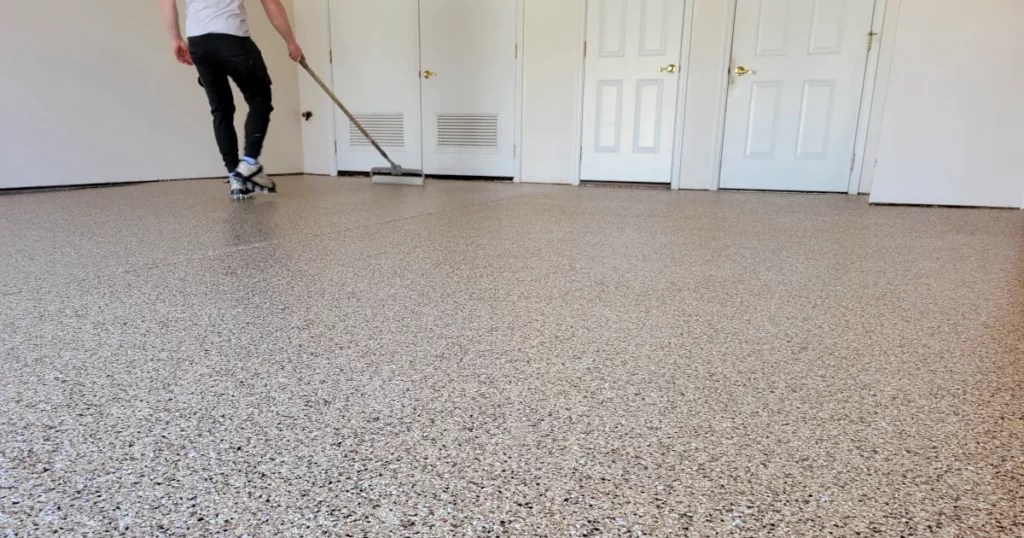
Concrete painting in Melbourne improves the appearance of surfaces and protects them from wear, ageing, and stains. Your concrete paint must be adequately cared for and maintained to guarantee its durability and brilliance. This blog post will cover eight vital strategies for efficiently caring for your concrete paint. These tips will assist you in extending the life and beauty of your concrete surfaces, from routine cleaning and maintenance to stain treatment and damage avoidance.
1. Regular Cleaning
Regular cleaning is necessary to maintaining the flawless appearance of your concrete paint. To get the best results, use a gentle cleaning solution from a light detergent and water and apply it to the painted surface using a soft-bristle brush or mop. Avoid using abrasive cleaning or strong chemicals since these might damage the paint. Regular cleaning successfully removes dirt, dust, and pollutants that collect over time, reducing the paint’s brilliance and perhaps leading to long-term degradation. You can preserve your concrete paint’s life and visual attractiveness by devoting time to frequent maintenance.
2. Promptly Address Stains
Spills and stains are typical on concrete surfaces, but quick action can prevent lasting deterioration. Act quickly by blotting or cleaning up spills to prevent them from penetrating the paint. Use a professional stain remover or make a paste from baking soda and water to remove difficult stains from the concrete.
Scrub the soiled area gently, being careful not to use abrasive equipment or excessive force that might damage the paint. After that, carefully rinse the area to guarantee residue-free cleaning. Treating stains early and with care protects the quality and beauty of your concrete paint.
3. Protect from Heavy Furniture and Sharp Objects
Place protection pads or coasters beneath heavy furniture or on your painted concrete surface to avoid scratches and potential damage. Also, avoid sharp items like high heels or heavy equipment, which can leave ugly scratches or chipping. Another wise strategy to reduce wear and tear is rugs or mats in high-traffic areas. By taking professional painting services in Melbourne, you can reduce impact and abrasion. Working with experts will help you efficiently maintain the paint’s integrity, maintaining its life and aesthetic appeal for years to come.
4. Regular Inspection
Evaluating your concrete paint is vital to discover deterioration, peeling, or chipping symptoms. Additionally, pay close attention to areas that receive a lot of foot traffic or are left in the sun for an extended time because these areas are more vulnerable to deterioration.
You may avoid additional damage and prolong the life of the paint by swiftly resolving any concerns that develop, such as repainting or doing touch-ups as needed. Regular inspections serve as a preventative strategy, allowing you to discover any problems and take remedial action early on, keeping the integrity and beauty of your concrete paint.
5. Apply a Protective Sealant
Consider putting a protective sealer on your concrete paint, especially if it will be exposed to the elements. Doing so offers an extra layer of protection to the paint, protecting it from harmful factors such as UV radiation and moisture. Consult a specialist or the paint manufacturer for advice on selecting the best sealer for your paint type. To retain the best protection, adhere to the suggested application frequency and reapply the sealant regularly. With a sealer in place, you increase the lifespan and robustness of your concrete paint, ensuring it can endure environmental conditions.
6. Mindful Snow and Ice Removal
Using caution while removing snow and ice from painted concrete surfaces throughout the winter is critical. Metal shovels and other sharp instruments should be avoided since they can damage or chip the paint. Instead, use a plastic or rubber-edged shovel with a gently sweeping motion to properly remove the surface.
Consider using a de-icing agent made exclusively for concrete to avoid ice formation and eliminate the need for intensive snow removal. Hiring floor painting solutions in Melbourne and following these guidelines may protect the paint’s integrity while effectively controlling winter weather conditions.
7. Avoid Harsh Chemicals and Pressure Washing
Use caution when opting for concrete painting in Melbourne since strong chemicals and high-pressure washing might compromise the paint’s integrity and reduce its protective characteristics. Avoid using bleach, ammonia, or acid-based cleaners since they might fade or etch the paint.
Furthermore, high washing pressure might cause paint flaking or surface erosion. Using a pressure washer, use a low-pressure setting and mild detergents to keep the nozzle safe from the painted surface. By taking these precautions, you can protect the quality and life of your concrete paint.
8. Touch-Up and Repaint as Needed
It is natural for concrete painting services in Melbourne to show indications of wear, fading, or minor damage over time. Being proactive with touch-ups or repainting is crucial to preserve its beauty and protective qualities. A small supply of matching paint on hand enables quick touch-ups when necessary. When repainting bigger sections, ensure the surface is thoroughly cleaned and prepared before adding a fresh layer of paint.
Following the manufacturer’s directions and using high-quality paint materials ensures the best results while preserving the integrity and beauty of your concrete surfaces.
Blue Sky Coatings: Melbourne’s Best Painters
Proper upkeep is essential for preserving your concrete paint’s endurance, durability, and visual appeal. You can significantly extend the lifespan and aesthetic appeal of your concrete paint by following these eight tips: regular cleaning, immediate stain removal, protective measures, periodic inspections, sealant application, careful snow removal, avoidance of harsh chemicals, and timely touch-ups.
Adopting a proactive approach to care after your painted concrete surfaces improve their appearance and protects your investment for years. Following these guidelines ensures that your concrete paint will be a source of pleasure and appreciation for a long time.